A shipping container is a marvel of modern logistics—a strong, secure, and standardized steel box. But that same steel that makes it so durable also makes it an oven in the summer and an icebox in the winter. For anyone looking to use a shipping container for more than just basic transport of rugged goods, insulation is not a luxury; it's a necessity. This guide will walk you through the essential process of shipping container insulation. As a manufacturer who deals with the logistics of protecting temperature-sensitive cargo every day, I understand the challenges my clients face. Whether you're creating a workshop, a home office, or ensuring your valuable goods are protected during transit, this article will help you choose the right method to insulate a shipping container effectively and affordably.
Why is Insulating Your Shipping Container So Crucial?
At its core, a shipping container is a metal box. Metal is an excellent conductor of thermal energy, which is a big problem for temperature control. In direct sunlight, the metal walls can become incredibly hot, raising the interior temperature to dangerous levels for both people and products. In cold climates, the opposite happens, and the interior can become freezing cold, leading to potential damage from frost and moisture. Proper insulation acts as a thermal barrier, slowing down the transfer of heat.
This process is essential for two main reasons: comfort and protection. For living and working applications like offices or homes, insulation is essential for creating a comfortable environment. It keeps the space warmer in the winter and cooler in the summer, dramatically reducing energy costs for heating and air conditioning. For storage or shipping, insulation protects temperature sensitive goods from being damaged by extreme temperatures.
Furthermore, insulation is the primary weapon against condensation. When warm, humid air inside a container comes into contact with the cold steel walls, the moisture in the air condenses into water droplets. This "container rain" can ruin cargo, cause mold and mildew, and lead to rust and corrosion. By keeping the interior wall surface warmer, insulation prevents this from happening.
What are the Main Insulation Options for a Modified Shipping Container?
When you're looking to insulate a shipping container, you'll find there are several popular insulation options. There isn't a single "best" method; the ideal choice depends on your budget, climate, and how you plan to use the container. Understanding the pros and cons of each type of insulation is the first step to making an informed decision.
Here's a quick overview of the most common materials:
| Insulation Type | Key Benefit | Potential Drawback | Best For |
|---|---|---|---|
| Spray Foam | Highest R-value, airtight seal | Higher cost, professional installation needed | Maximum thermal performance, complete moisture barrier. |
| Rigid Foam Panels | Good R-value, DIY-friendly | Can leave small gaps if not cut perfectly | A balanced, cost-effective solution for DIY projects. |
| Mineral Wool | Fire-resistant, sound-dampening | Requires framing, can be irritating to install | Workshops, residential structures, and where fire safety is a top priority. |
| Fiberglass Batts | Inexpensive, widely available | Lower R-value, susceptible to moisture | Budget-conscious projects where a full vapor barrier is also installed. |
Each of these insulation materials works differently to create a thermal break between the exterior and interior of the shipping container. For my clients shipping high-value goods, making the right choice here is as important as choosing the right transport company. It's all part of ensuring the product arrives in perfect condition.
How Does Spray Foam Insulation Beat the Heat and Cold?
Spray foam insulation is often considered the gold standard for insulating your shipping container. It's a two-part chemical mixture that is sprayed directly onto the inside of a shipping container. As it hits the surface, it reacts and begins to expand rapidly, filling every crack, gap, and corrugation in the container walls. This creates a continuous, seamless, and airtight barrier.
The primary benefit of spray foam is its exceptionally high R-value per inch compared to other insulation materials. This means it's an incredibly effective insulator without taking up much valuable interior space. Because it forms a perfect seal, it also acts as its own vapor barrier, completely stopping air and moisture from reaching the metal walls, which is the best way to prevent condensation.
There are two main types: open-cell and closed-cell. Closed-cell spray foam is the better choice for a shipping container. It's rigid, water-resistant, and adds structural strength to the walls. While the initial investment for professional installation is higher, the long-term energy savings and superior protection it offers often make it the most cost-effective choice for serious container conversions. The foam insulation is sprayed onto the surfaces where it expands and hardens, creating a perfect fit.
Is Mineral Wool a Safe and Effective Type of Insulation?
Yes, mineral wool is an excellent choice for insulation, especially when fire safety is a concern. This type of insulation is made from rock or slag wool (a byproduct of steel production), which is melted and spun into fine fibers, similar to cotton candy. These fibers are then compressed into batts or boards.
The biggest advantage of mineral wool is that it is naturally non-flammable and can withstand extremely high temperatures. This makes it a fantastic choice for workshops where welding or other hot work might occur, or for residential and office structures where building codes require strict fire ratings. It is also an excellent sound-dampening material, which can help reduce noise from outside the shipping container.
However, installing mineral wool has a few extra steps. Because it comes in batts, it requires framing inside the container—typically a wooden or steel stud wall. The mineral wool batts are then friction-fit between the studs. While not difficult, this does add an extra step and material cost to the project. It's also important to wear protective gear during installation as the fibers can be an irritant.
What's the Deal with Insulation Panels and Batt Insulation?
Rigid foam insulation panels and traditional batt insulation are two more common methods used to insulate a shipping container. Both can be very effective and are often more budget-friendly than spray foam.
Rigid Foam Panels: These are large sheets of insulation typically made from polystyrene or polyisocyanurate. You might know them by brand names like Styrofoam. These panels are great for DIY projects because they are lightweight and can be easily cut to fit between the corrugations of the shipping container walls for a snug fit. They can be glued directly onto the walls with a special adhesive. For best results, it's recommended to tape the seams between panels to create a better air barrier. Using Styrofoam or other rigid panels is a popular and cost-effective way to get good insulation performance.
Batt Insulation: This is likely what you picture when you think of insulation. It usually consists of finely woven strands of fiberglass and comes in large rolls. Fiberglass is the most affordable insulation material, but it has some drawbacks for container applications. It requires framing, just like mineral wool, and it is highly susceptible to moisture. If it gets wet, it loses its insulating properties and can become a breeding ground for mold. Therefore, if you use batt insulation, installing a separate and meticulously sealed vapor barrier is absolutely critical to prevent moisture from entering.
Can a Specialized Liner Also Provide Insulation?
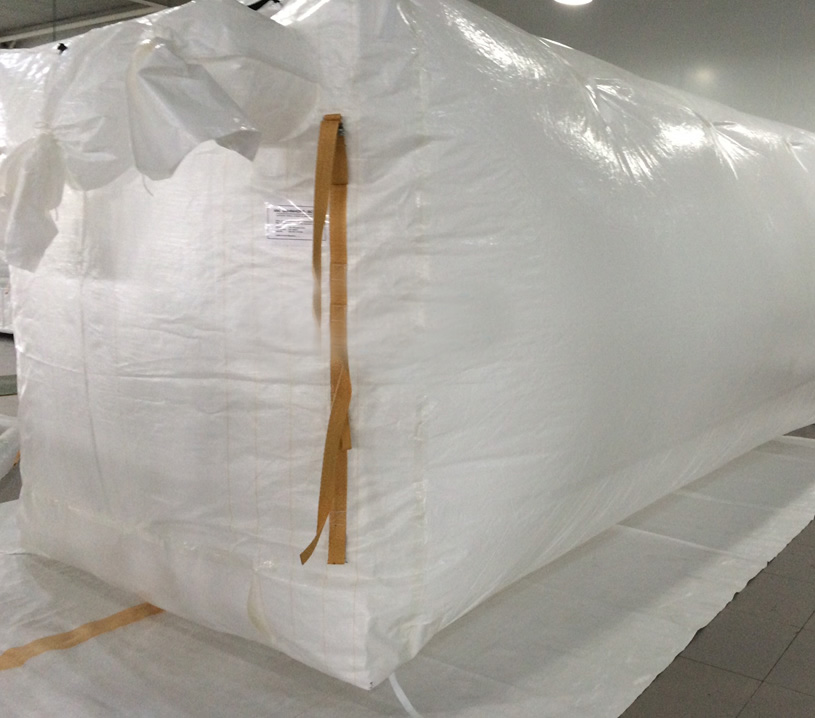
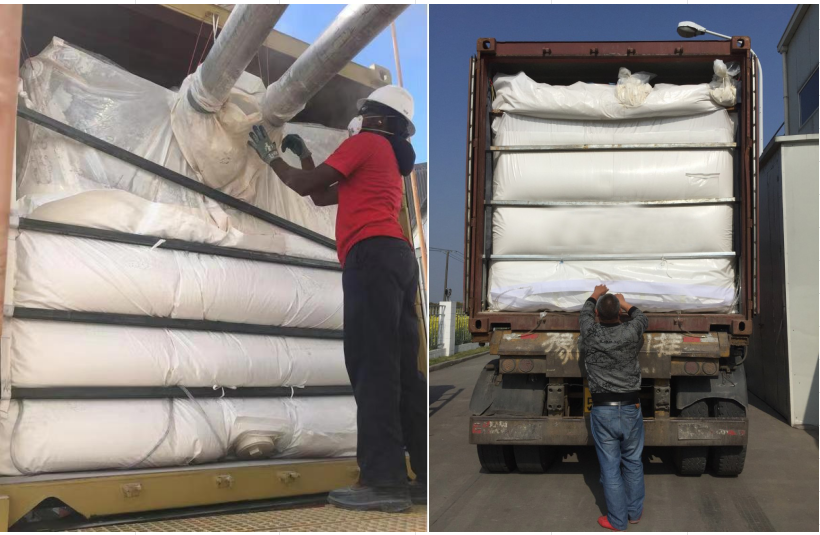
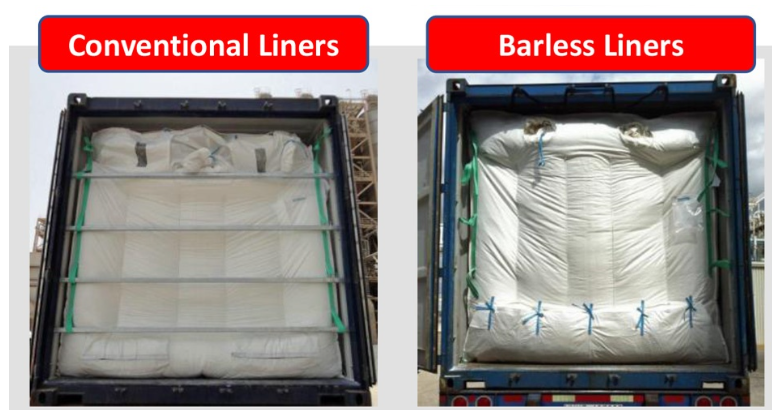
This is a great question and one that connects directly to my area of expertise. A standard container liner, like those used for shipping dry bulk goods, is designed primarily as a protective barrier against contamination and moisture, not as thermal insulation. However, the world of liners is vast, and specialized thermal liners absolutely exist.
These thermal liners, sometimes called insulated blankets or thermal blankets, are designed to reflect radiant heat. A radiant barrier helps keep the inside of your shipping container cooler during the warmer months by reflecting solar energy. These liners can be installed quickly and are often used for single journeys to protect temperature-sensitive cargo like pharmaceuticals, wine, or chocolates. They are essentially a form of liner that offers a degree of insulation.
For maximum protection, a hybrid approach is often best. For example, a client might use permanent spray foam insulation in their container and then add one of our specialized liners for an extra layer of protection. This ensures sensitive products are protected from both ambient temperature swings and direct contact with container surfaces. While a standard liner isn't an insulator, combining it with proper insulation provides the ultimate protection. Many custom solutions, like our customized PP Woven PE Bulk Container Liners, can be adapted for specific protective needs beyond just holding bulk material.
What Key Factors Should I Consider When Choosing the Best Insulation?
Choosing the right thermal insulation can feel overwhelming, but you can narrow it down by considering a few key factors. Thinking through these points will help you find the insulation method that best fits your needs.
- Your Budget: Cost is always a major factor. Fiberglass batts are the cheapest upfront, while spray foam insulation is the most expensive. Rigid foam panels offer a good middle ground. Remember to factor in the cost of labor and any additional materials like framing or vapor barriers.
- Your Climate: If you live in a place with extreme heat and cold, investing in insulation with a high R-value, like closed-cell spray foam, is a smart long-term decision. In a milder climate, you might be able to use a less robust insulation.
- Intended Use: How you plan to use the modified shipping container matters a lot. For a full-time living space, you'll want maximum comfort and energy efficiency. For a simple storage space, a more basic level of insulation to prevent condensation might suffice.
- DIY vs. Professional: Are you planning to do the work yourself? Rigid foam panels and batt insulation are DIY-friendly. Spray foam insulation is sprayed by professionals with specialized equipment, which adds to the cost but guarantees a perfect application.
How Does Insulation Prevent Condensation Inside the Box?
Condensation is the silent enemy of a shipping container. Understanding how insulation stops it is key. Condensation forms when the temperature of the container's steel walls drops below the dew point of the air inside. Think of a cold glass of water on a hot day—the droplets that form on the outside are condensation.
Proper insulation works by creating a barrier that keeps the warm, moist interior air from ever touching the cold steel walls. The interior surface you're left with—whether it's the hardened surface of spray foam or the drywall covering your mineral wool—stays much closer to the temperature of the air inside. Because this surface isn't cold, the moisture in the air doesn't have a reason to condense.
This is why an airtight application is so important. Gaps in your insulation can create "cold spots" on the interior wall where condensation can still form. This is a major reason why spray foam is so effective; it creates a monolithic barrier with no gaps. Any good insulation job must include careful attention to moisture control.
What is the R-Value and Why is it Important for Insulation?
You'll see the term "R-value" mentioned frequently when discussing insulation. In simple terms, the R-value is a measure of a material's resistance to heat flow. The higher the R-value, the better the material is at insulating.
Think of it like clothing. A thin t-shirt has a very low R-value. A thick winter coat has a high R-value. If you need protection against extreme cold, you want the coat. Similarly, for a shipping container in a harsh climate, you want an insulation material with a high R-value to effectively block heat transfer.
Different materials have different R-values per inch of thickness. For example, closed-cell spray foam can have an R-value of R-6 to R-7 per inch, while fiberglass batts might be closer to R-3.5 per inch. This means you would need a much thicker layer of fiberglass to achieve the same insulating performance as a thinner layer of spray foam. This is an important consideration, as the thickness of your insulation and framing directly impacts how much usable interior space you have left inside your shipping container.
What's the Most Cost-Effective Way to Insulate My Container?
Finding the most cost-effective solution is about balancing upfront costs with long-term performance and value. The cheapest option isn't always the best investment.
For the absolute lowest material cost, fiberglass batt insulation is the winner. However, you must also purchase materials for framing and a high-quality vapor barrier. If any of these are installed improperly, you could face expensive moisture and mold problems down the road.
A very popular cost-effective choice for DIYers is rigid foam panels. The easy installation—cutting and gluing the panels directly to the container walls—saves on labor costs and the need for extensive framing. It offers good R-value and a solid performance for the price. Products like our Food Grade Dry Bulk Container Liner are built on the same principle of providing high-value, reliable protection in a cost-effective package.
While spray foam insulation has the highest initial cost, it can be argued that it's the most cost-effective in the long run for heated or cooled spaces. Its superior performance leads to lower energy bills over the life of the container, and because it's a perfect air and moisture barrier, it prevents costly repairs from condensation damage. Ultimately, the best cost-effective solution is the one that correctly matches the right material to your specific project needs and budget.
Key Takeaways
Choosing the right insulation is a critical step in any shipping container project. Here are the most important things to remember:
- Insulation is Non-Negotiable: To control temperature, prevent condensation, and ensure comfort, you must insulate your shipping container.
- Know Your Options: The main choices are spray foam, rigid foam panels, mineral wool, and fiberglass batts, each with distinct pros and cons.
- R-Value is Key: A higher R-value means better insulation. Choose a value appropriate for your climate and the container's intended use.
- Control Moisture: Your insulation system must act as a vapor barrier to stop condensation, which can damage both the container and its contents.
- Budget Wisely: The most cost-effective solution balances upfront material costs with long-term energy savings and durability.
- Consider a Hybrid Approach: For ultimate protection of temperature-sensitive cargo, combining permanent insulation with a specialized thermal liner can be an ideal solution.
Post time: Sep-15-2025