Hi, I’m Allen, representing a bulk bag factory in China with extensive experience producing high-quality bulk bag solutions. We understand the challenges businesses face when handling bulk material, especially heavy aggregate. This guide dives deep into aggregate bulk bags, also known as FIBCs (flexible intermediate bulk containers). If you’re like many of our clients, such as Mark Thompson, a procurement officer in the USA looking for reliable, cost-effective bulk packaging, you know quality and dependability are paramount. This article will explain what makes a good aggregate bulk bag, the different types available, how they’re made, safe handling practices, and what to look for in a supplier. Reading this will help you make informed decisions, avoid common pitfalls like shipment delays or quality issues, and ultimately improve your bulk material handling operations using the right bulk bag.
What Exactly Are Aggregate Bulk Bags (FIBCs)?
Let’s start with the basics. What are we talking about when we mention aggregate bulk bags? Essentially, these are large, industrial containers made from woven fabric, designed specifically to transport and store dry bulk materials. You might know them as FIBCs, which stands for Flexible Intermediate Bulk Container. The name highlights their key features: they are flexible (unlike rigid containers), intermediate in size (holding more than small sacks but less than massive silos), and used for containing bulk products.
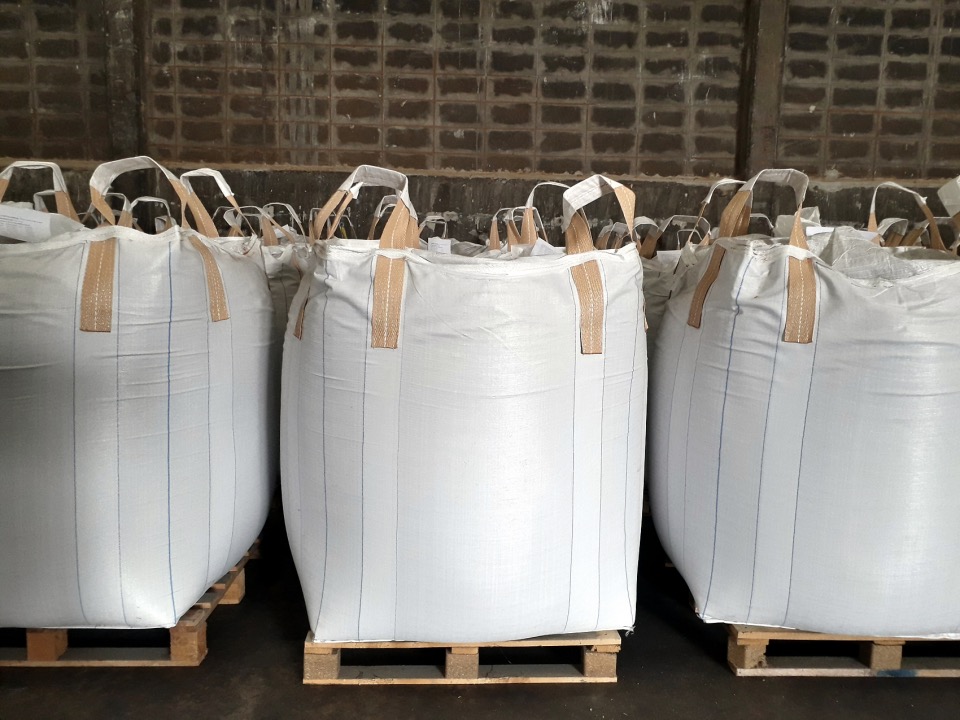
Their primary job is to handle bulk material like sand, gravel, crushed stone, pebbles, and other construction or landscaping aggregates. However, the versatility of the bulk bag means they are used in various industries beyond construction, including agriculture, mining, and chemicals. Think of a bulk bag as a heavy-duty workhorse for moving significant quantities of aggregate efficiently and safely. They are a crucial component in the logistics chain for many businesses dealing with bulk material handling. These bags provide a practical solution for storing and transporting large volumes, simplifying operations significantly compared to using countless smaller bags.
How Are These Bulk Bags Made for Durability?
Understanding how an aggregate bulk bag is constructed gives insight into its strength and reliability – critical factors when handling heavy aggregate. The vast majority of bulk bags, especially those intended for aggregates, are made from woven polypropylene fabric. This plastic polymer is chosen for its excellent tensile strength, resistance to tearing, flexibility, and relatively low cost. The fabric used is created by weaving flat polypropylene tapes together, resulting in a strong, durable sheet material.
The construction style of the bulk bag itself also contributes to its durability. Common types include:
- U-Panel: Made from one long piece of fabric for the bottom and two sides (forming a ‘U’), with two additional panels sewn to the sides.
- Circular Woven: Woven on a circular loom as a tube, eliminating side seams, which can sometimes be preferred for very fine materials.
- Four-Panel: Four separate pieces of fabric sewn together to form the body.
Each seam is meticulously stitched, often using specialized overlock or safety stitches, to ensure the bulk bag can withstand the load stresses during filling, lifting, and transport. Reinforcements are often added around the lifting loops and top/bottom openings. The goal is to create a bulk bag made to handle the demanding task of carrying heavy, often abrasive, aggregate without failure. These bags are designed to withstand the rigors of handling and transportation.
What Are the Key Benefits of Using Aggregate Bulk Bags?
Why have aggregate bulk bags become so popular across various industries? The advantages are significant, especially for businesses dealing with large volumes of bulk material. Using aggregate bulk bags offers numerous benefits:
- Cost Savings: This is often a primary driver. Compared to smaller sacks or rigid containers, bulk bags significantly reduce packaging material costs per ton of aggregate. Labor costs for filling, handling, and emptying are also lower due to the larger unit size. They offer a very cost-effective way to transport and store materials.
- Handling Efficiency: Aggregate bulk bags typically feature lift loops or straps sewn into the top corners. These allow for easy handling by forklifts or cranes, dramatically speeding up loading, unloading, and warehouse movements compared to manual handling of smaller bags. Features like a bottom spout can also allow for easy and controlled discharge.
- Improved Safety: Properly used bulk bags minimize direct worker contact with the aggregate. They reduce the risk of injuries associated with manual lifting. Furthermore, their robust construction minimizes spillage, keeping worksites cleaner and safer, and protecting the integrity of the materials inside.
- Storage Optimization: Empty bulk bags fold flat, requiring minimal storage space. When filled, their shape allows for relatively stable stacking (depending on the aggregate and bag design), optimizing warehouse or yard space.
- Versatility: While we’re focusing on aggregate, the same bulk bag designs can often be adapted for other bulk materials, offering flexibility in inventory and use. They are suitable for a wide range of dry bulk goods.
These benefits of aggregate bulk bags make them a cornerstone of modern bulk material handling and storage and transportation strategies.
Are There Different Types of Aggregate Bulk Bags?
Yes, aggregate bulk bags come in various designs to suit specific needs and handling methods. While the basic concept remains the same – a large woven polypropylene bag – the details can vary significantly. Understanding these differences helps in selecting the right type of bulk bag for your specific aggregate and operational setup.
Common variations include:
- Top Options:
- Open Top: Completely open, easiest for filling with certain types of aggregate.
- Spout Top: A filling spout that can be tied off, helping to contain dust and protect the contents.
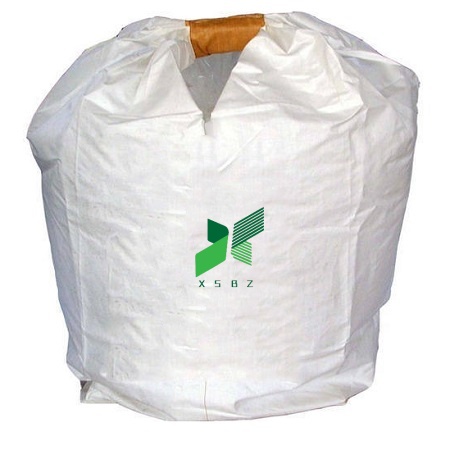
- Duffle Top: A skirt-like closure that covers the entire top opening and can be tied shut.
- Bottom Options:
- Flat Bottom: Designed for single use or when the bag is emptied by cutting it open.
- Spout Bottom: A discharge spout for controlled emptying, often preferred for reusable bags or precise dispensing.
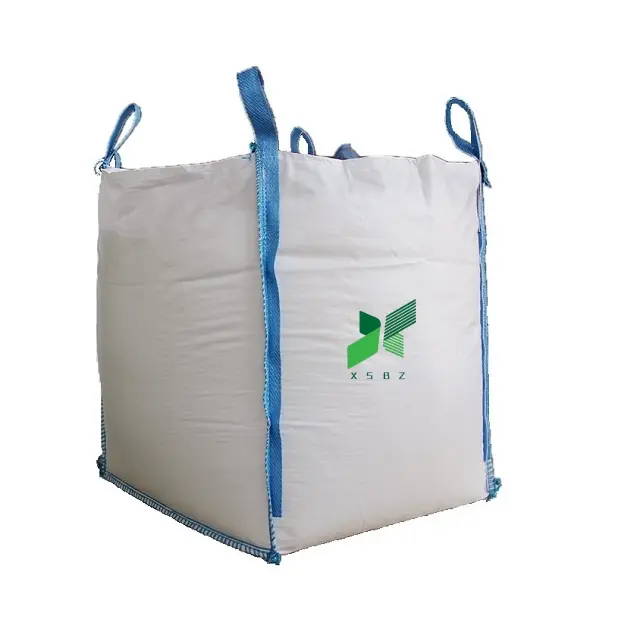
- Lift Loops: Most common are four corner loops, but options like cross-corner loops, single or two loop bulk container bag 1000kg, or sleeve lifts exist for different handling equipment.
- Liners: While aggregate often doesn’t require one, finer materials or those needing moisture protection might use an internal polyethylene liner within the bulk bag. These protective big bag liners add another layer of containment.
- Capacity: Aggregate bulk bags are typically designed for capacities ranging from 500 kg to 2000 kg (roughly 1100 lbs to 4400 lbs), with 1000 kg (1 metric ton) being very common. The specific size and strength are matched to the density of the aggregate being handled.
Choosing the right combination of features ensures efficient and safe handling and transportation of your aggregate bulk bags.
Why is Quality So Crucial for Aggregate Bulk Bags?
When you’re dealing with potentially tons of heavy aggregate suspended in a bulk bag, quality isn’t just desirable – it’s absolutely essential. A low-quality bulk bag poses significant risks. For procurement professionals like Mark, ensuring quality bulk products is a top priority, and rightly so.
Here’s why quality matters:
- Safety Factor (SF): Reputable bulk bags are manufactured with a Safety Factor, typically 5:1 for single-trip bags or 6:1 for multi-trip (standard duty) bags. A 5:1 SF means the bulk bag is tested to withstand five times its Safe Working Load (SWL) without failing. Using a bulk bag without a proper SF, or one made with substandard materials or poor stitching, dramatically increases the risk of catastrophic failure during lifting or transport.
- Preventing Loss and Delays: A failed bulk bag means lost aggregate, cleanup costs, potential equipment damage, and significant project delays. For businesses relying on just-in-time deliveries, such failures can be incredibly costly. Consistent quality bulk bags prevent these issues.
- Worker Safety: Bag failures can lead to serious injuries or fatalities if personnel are nearby when heavy aggregate is suddenly released. Ensuring the structural integrity of every bulk bag is paramount for workplace safety.
- Protecting Material Integrity: While less critical for some robust aggregates, a well-made bulk bag protects the contents from contamination and excessive moisture ingress during storage and transport, maintaining the integrity of the materials.
As a manufacturer, we implement rigorous quality control, from testing incoming woven polypropylene fabric to inspecting seams and performing load tests on finished bulk bags. We adhere to industry standards and provide documentation confirming that our bags meet safety and quality requirements. Never compromise on the quality of your aggregate bulk bags; the potential consequences are too severe.
How Do You Safely Handle Aggregate Bulk Bags?
Proper handling bulk bags filled with heavy aggregate is crucial to prevent accidents and ensure the longevity of the bags (if intended for reuse). Safe handling involves using the right equipment correctly and following established procedures.
Key aspects of safe handling include:
- Lifting:
- Always use appropriate lifting equipment like forklifts or cranes with the correct capacity.
- Ensure forks are smooth, rounded, and free of sharp edges that could damage loops. Use fork tine protectors if necessary.
- Lift the bulk bag using all designated lift loops simultaneously. Never lift by fewer loops than provided.
- Lift smoothly, avoiding jerky movements. Ensure the load is balanced.
- Keep personnel clear of suspended loads.
- Storing:
- Store aggregate bulk bags on a stable, level surface.
- Stacking should only be done if the bags are designed for it and the aggregate creates a stable base. Follow manufacturer guidelines for stacking height. Pyramidal stacking is often recommended.
- Protect bags from excessive UV exposure (sunlight) if stored outdoors for extended periods, as UV rays can degrade the woven polypropylene. UV-resistant bags are available but still benefit from being covered.
- Keep bags away from potential puncture hazards.
- Transporting:
- Secure aggregate bulk bags properly on trucks or in containers to prevent shifting during transport.
- Ensure the transport vehicle is suitable for the weight and dimensions of the loaded bulk bags.
Training staff on these safe handling procedures is essential. It helps prevent accidents and ensure the integrity of both the bulk bag and the valuable aggregate inside. Remember, handling bulk bags safely is everyone’s responsibility.
Can Aggregate Bulk Bags Be Reused or Recycled?
Sustainability is an increasing concern in many industries. The question of whether aggregate bulk bags can be reused or recycled is important for environmentally conscious businesses.
- Reusability: Bulk bags designed with a 6:1 Safety Factor are generally considered multi-trip bags. However, reusing any bulk bag, regardless of its SF, depends heavily on its condition after its initial use.
- Thorough Inspection: Before reuse, each bulk bag must be meticulously inspected for any damage: cuts, tears, abrasion, damaged stitching, UV degradation (brittleness, discoloration), or contaminated fabric.
- Loop Integrity: Lifting loops require special attention, as they bear the most stress.
- Cleaning: The bulk bag should be cleaned appropriately for the next intended product.
- Traceability: Some systems track bag usage to limit the number of trips.
- Decision: If any significant damage is found, the bulk bag should NOT be reused for safety reasons. Reusing bags requires a strict inspection protocol.
- Recycling: The good news is that most aggregate bulk bags are made from woven polypropylene (PP), which is a recyclable thermoplastic (Recycling Code #5).
- Process: Used bulk bags can be collected, cleaned, melted down, and re-pelletized to create feedstock for new plastic products. Liners (if present and made of PE) usually need to be separated.
- Availability: Recycling facilities capable of handling bulk bags exist, though availability may vary by region. Partnering with waste management services specializing in industrial plastics is key.
- Benefits: Recycling reduces landfill waste and conserves resources.
So, yes, bags can be recycled, and some bags can be used multiple times under strict conditions. This makes aggregate bulk bags a more sustainable bulk packaging option compared to some alternatives, provided end-of-life management is considered.
What Should Buyers Look for When Sourcing Aggregate Bulk Bags?
For buyers like Mark, finding a reliable supplier for aggregate bulk bags is critical. It’s not just about price; it’s about consistent quality, dependable service, and trust. Here’s what to focus on when sourcing your bag needs:
- Supplier Reputation and Experience: Look for established manufacturers or suppliers with a proven track record in producing quality bulk bags, specifically FIBCs. How long have they been in business? Do they specialize in bulk bags? Can they provide references or case studies? Meeting suppliers at industry exhibitions can be a good way to gauge their professionalism. As Allen, representing a factory with years of export experience to demanding markets like the USA and Europe, I can attest to the importance of this track record. We, as a high quality bulk bag supplier & manufacturer, prioritize transparency.
- Clear Specifications: Clearly define your bag needs. This includes:
- Dimensions & Capacity: What size bulk bag do you need, and what Safe Working Load (SWL) is required for your aggregate?
- Fabric Weight & UV Protection: Specify requirements based on usage and storage conditions.
- Top & Bottom Features: Detail the required filling (spout, open top) and discharge (spout, flat bottom) mechanisms.
- Loop Style: Specify the type and length of lift loops needed for your equipment.
- Liners: Indicate if liners are necessary.
- Printing: Provide artwork if custom printing is needed.
Effective communication of these details prevents misunderstandings.
- Quality Assurance & Certifications: Ask potential suppliers about their quality control processes. Request documentation like:
- ISO Certifications: E.g., ISO 9001 (Quality Management), ISO 21898 (specifies materials, construction, and testing methods for FIBCs).
- Test Certificates: Proof of load testing for the specific bulk bag design you are ordering. Be wary of suppliers hesitant to provide valid, current certifications – this is a red flag Mark rightly worries about.
- Logistics and Lead Times: Discuss shipping terms (Incoterms), estimated production lead times, and transport options. A reliable supplier should have strong logistics partnerships to minimize delays – another key concern for buyers needing timely transport of goods. Understand the entire transport and storage process from factory to destination.
- Communication & Service: Evaluate the supplier’s responsiveness and clarity in communication. Can they answer technical questions? Do they provide proactive updates? Good communication builds trust and smooths the purchasing process.
Focusing on these points helps ensure you receive the right aggregate bulk bags for your needs from a dependable partner.
How Do Aggregate Bulk Bags Compare to Other Bulk Packaging?
Aggregate bulk bags (FIBCs) are just one option for bulk packaging and transport. How do they stack up against alternatives?
- Small Sacks (e.g., 25kg or 50lb bags):
- Pros: Easy manual handling for small quantities, no special equipment needed.
- Cons: High labor cost for large volumes, more packaging waste per ton, slower filling/emptying, higher risk of spillage, potential for worker strain. Bulk bags offer significant cost savings and efficiency gains here.
- Drums (Steel or Plastic):
- Pros: Rigid, good protection, stackable.
- Cons: Higher initial cost, heavier tare weight (more transport cost), require specific handling equipment, less space-efficient when empty compared to a folded bulk bag.
- Rigid Intermediate Bulk Containers (RIBCs):
- Pros: Very durable, stackable, reusable, integrated pallet base.
- Cons: Much higher purchase price, significantly more storage space needed when empty, heavier, require cleaning between uses.
- Loose Bulk Transport (Dump Trucks):
- Pros: Lowest packaging cost for very large volumes, fast loading/unloading for suitable sites.
- Cons: Requires dedicated vehicles, potential for contamination/weather exposure during transport, requires large open storage areas, less precise inventory control, not suitable for all aggregates or destinations.
For many applications involving aggregates, the aggregate bulk bag strikes an excellent balance. It provides a practical and efficient solution, offering lower costs than drums or RIBCs and better containment, handling efficiency, and storage flexibility than small sacks or loose bulk material transport. The use of bulk bags often represents the optimal intersection of cost, efficiency, and safety for transporting bulk aggregate.
Addressing Common Concerns: Communication, Logistics, and Trust
From my experience as Allen, working directly with international buyers like Mark Thompson, I know certain concerns consistently arise beyond the bulk bag specifications themselves. These often revolve around communication, logistics reliability, and overall trust in the supplier. These are valid points, especially when dealing with overseas manufacturers.
- Communication: Inefficient communication is a major pain point. Language barriers, time zone differences, and unresponsive sales teams can derail projects. As a supplier focused on export markets (USA, Europe, Australia), we prioritize:
- Clear English: Employing sales and support staff fluent in English.
- Responsiveness: Aiming for prompt replies to inquiries and updates.
- Understanding Needs: Actively listening to ensure we fully grasp the specific bag needs and operational context. Proactive communication about production status or potential issues is key.
- Logistics: Shipment delays can halt production lines. Reliable transport is non-negotiable. We address this by:
- Realistic Lead Times: Providing accurate production schedules.
- Trusted Partners: Working with established, reputable freight forwarders and shipping lines experienced in handling bulk bag shipments.
- Clear Documentation: Ensuring all shipping documents are accurate and processed efficiently to avoid customs delays. We understand the importance of reliable transport and storage solutions.
- Building Trust: Concerns about quality inconsistencies or even certificate fraud are serious. Building trust takes time and transparency. We foster this through:
- Consistency: Delivering quality bulk bags order after order.
- Transparency: Welcoming factory audits (virtual or in-person), sharing test results, and being open about our processes.
- Problem Solving: Addressing any issues that arise quickly and fairly.
- Certifications: Providing verifiable, current certifications for our FIBC bags.
Choosing a bulk bag supplier is about partnership. Look for a manufacturer who understands these concerns and actively works to provide not just a product (bags made well), but also reliable service and peace of mind. This ensures a smooth supply chain for your essential aggregate bulk bags.
Key Takeaways for Aggregate Bulk Bags
To wrap up, here are the essential points to remember about aggregate bulk bags (FIBCs):
- Definition: They are Flexible Intermediate Bulk Containers, typically made from woven polypropylene, designed to transport and store bulk material like aggregates.
- Benefits: Key advantages include cost savings, handling efficiency (allow for easy handling with forklifts or cranes), improved safety, and storage optimization.
- Types: Bulk bags come in various forms with different top/bottom openings (spout, flat, etc.), loop configurations, and options like liners to accommodate different materials.
- Quality is Critical: Always prioritize quality bulk bags with the correct Safety Factor (SF) to ensure safety, prevent material loss, and avoid delays. Look for suppliers who adhere to industry standards like ISO 21898.
- Safe Handling: Proper lifting, storing, and transport procedures are vital. Ensure personnel are trained in safe handling of aggregate bulk bags.
- Sustainability: Bags can be recycled (PP #5), and multi-trip bags (6:1 SF) can be reused after careful inspection.
- Sourcing: Choose suppliers based on reputation, clear communication, verifiable quality assurance (testing, certifications), reliable logistics, and overall trustworthiness. Clearly define your bag needs.
By understanding these aspects of aggregate bulk bags, you can make better purchasing decisions, improve your material handling operations, and build strong relationships with reliable suppliers like us. We hope this guide, drawing on my experience as Allen in the bulk bag industry, has been helpful! If you have specific requirements for aggregate bulk bags or other FIBCs, don’t hesitate to reach out.
Post time: Apr-24-2025