Are you in the market for pp woven bags? This article is your comprehensive guide to pp woven bags. We’ll dive into everything from types of pp woven bags and polypropylene characteristics to the benefits of laminate options. Whether you’re in agriculture, mining, or logistics, understanding how to choose the right pp woven bag can significantly impact your operations and bottom line. We’ll cover business requirements and help you find the perfect pp woven bag for your needs.
This article is worth reading because selecting the right packaging solution can optimize your operations, reduce costs, and protect your products.
What is a PP Woven Bag and Why Should You Care?
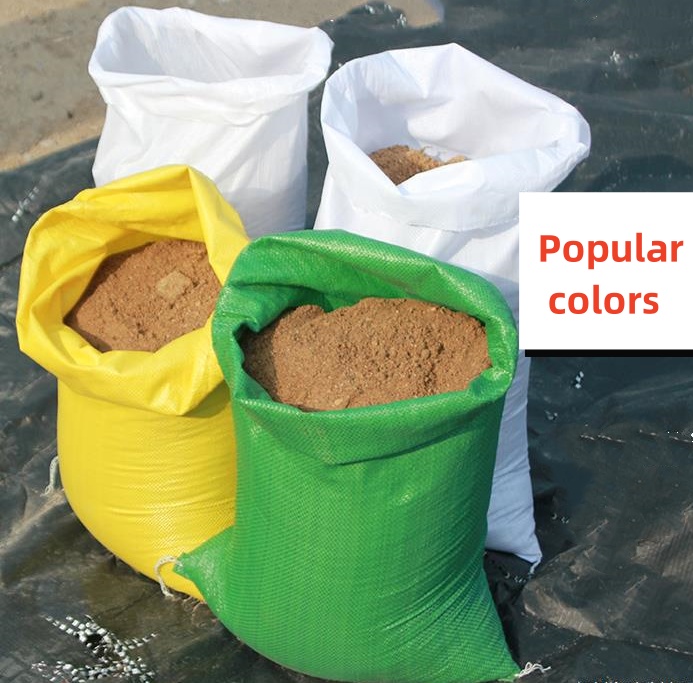
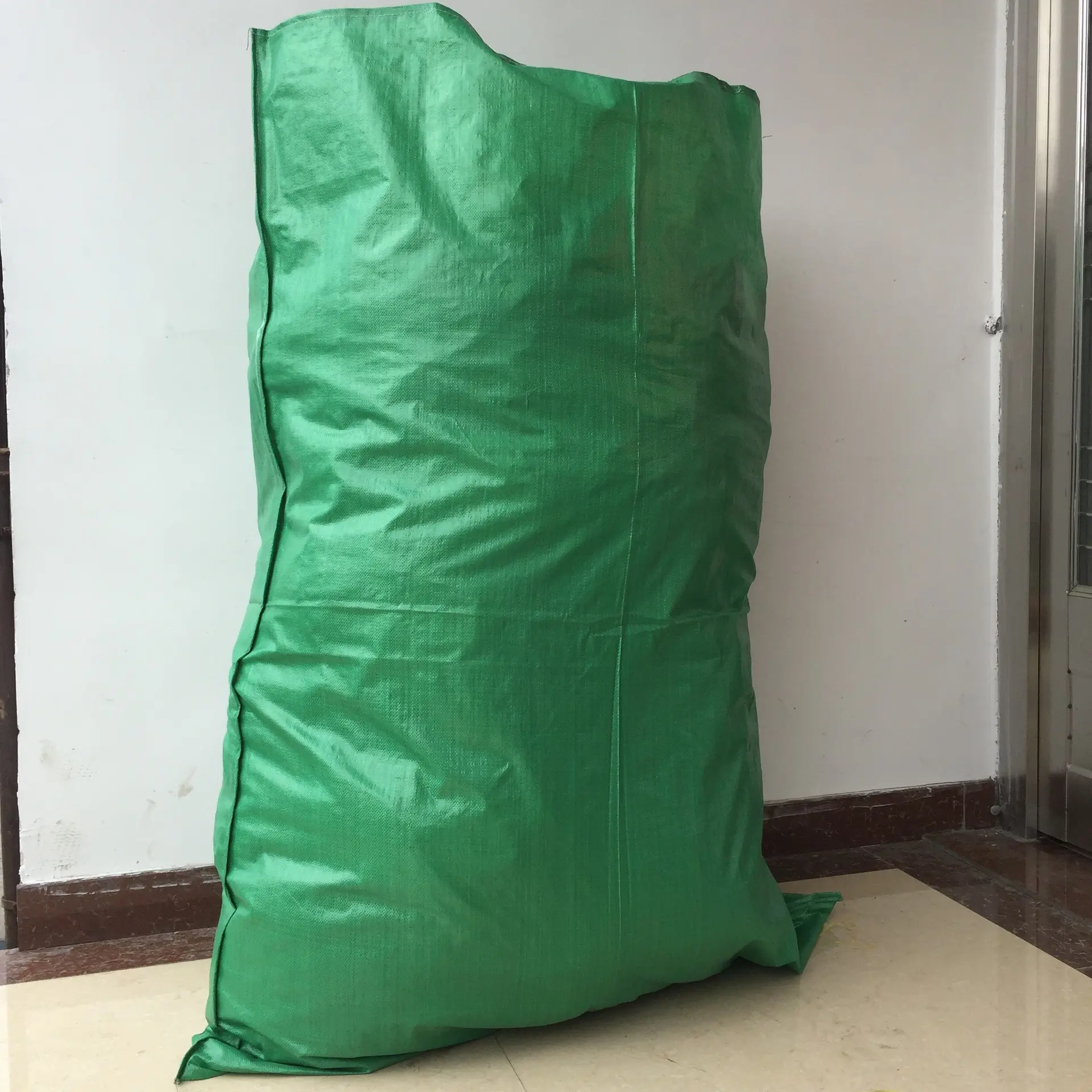
A pp woven bag, also known as a polypropylene bag or pp bag, is a versatile packaging solution used across various industries. These bags are widely used for storing and transporting a wide range of materials, from agricultural products and fertilizer to chemicals and construction materials. PP stands for polypropylene, a thermoplastic polymer known for its strength, durability, and resistance to moisture and chemicals. These characteristics make pp woven bags a popular choice for businesses looking for reliable and cost-effective packaging.
PP woven bags are made from polypropylene, they are made from plain woven polypropylene fabric. The basic pp woven bags are made from plain woven polypropylene fabric. This construction provides excellent tensile strength, making pp woven bags ideal for carrying heavy loads. Moreover, bags offer excellent protection against external factors, ensuring the integrity of the contents.
What Are the Different Types of PP Woven Bags?
When it comes to pp woven bags, there’s no one-size-fits-all solution. Different types of pp are available to meet diverse needs. Understanding these variations is essential when you need to choose the right pp woven bag. Here’s a breakdown:
- Traditional PP Woven Bags: These are the standard, most basic pp woven bags, made from plain woven polypropylene fabric. They are typically used for general packaging purposes.
- Laminated PP Woven Bags: These bags have a laminate coating (often BOPP) applied to the pp woven fabric. The laminate provides an extra layer of protection against moisture, UV rays, and other environmental factors, improving the print quality, making these bags ideal for brand promotion.
- BOPP Laminated Bags: These bags use biaxially oriented polypropylene (BOPP) as the laminate. BOPP is known for its excellent clarity, which allows for high-quality graphics and vibrant colors. These bags are often used for food packaging and products where visual appeal is important.
- Valve Bags: These pp woven bags come with a valve for easy filling and sealing, making them suitable for powdered or granular materials.
- Block Bottom Bags: These bags have a square or rectangular base, which allows them to stand upright and stack neatly. They are often used for packaging products that need to be displayed or stored in an organized manner.
- Gusseted Bags: These bags have side or bottom gussets, which expand to create more volume. They are ideal for bulky or irregularly shaped products.
- PP Sacks: Similar to pp woven bags, but can refer to a broader category, including knitted or non-woven pp packaging.
How to Choose the Right PP Woven Bag for Your Business?
Selecting the right pp woven bag depends on several factors. Consider these points:
-
What are your business needs?
- The product: Consider the nature of your product. Is it a dry, free-flowing material, or is it a liquid or semi-solid? This affects the type of bag and any necessary liners or coatings. For example, you might choose a pp bag with a laminate for food packaging.
- Size and weight: Determine the required capacity of the bag. How much product needs to be stored and transported? Select the right size to avoid overfilling or underutilization.
- Handling and transport: How will the bags be handled? Will they be manually lifted, or will forklifts or other machinery be used? This will affect the bag’s design, such as the inclusion of loops or other lifting features.
- Storage: Consider storage conditions. Will the bags be stored indoors or outdoors? This might influence your choice of a laminated pp woven bag for extra protection against the elements.
- Regulations: Are there any specific regulations or standards that you need to comply with, such as those related to food packaging or hazardous materials?
- Consider Quality and Durability:
- Material Quality: Ensure the pp resin is of high quality. The bags should be made from virgin polypropylene resin, which is stronger and more durable than recycled material.
- Weave Density: The weave density of the fabric impacts the bag’s strength and its ability to contain fine materials.
- Seams and Stitching: The seams and stitching should be strong and durable to prevent tearing or bursting.
- Lamination Quality: If you choose a laminated bag, ensure the laminate is properly applied.
- Testing and Certifications: Ask your supplier for test reports and certifications (e.g., ISO standards) to verify the bag’s performance.
Key Features and Benefits of PP Woven Bags
PP woven bags are a favored packaging option for many reasons. The versatility of these bags makes them suitable for a vast array of applications, from agricultural and chemical sectors to logistics and construction. Let’s examine the key features and benefits:
- Durability and Strength: PP woven bags are inherently durable, making them suitable for transporting heavy materials. The bags combine the durability of polypropylene with the strength of the woven construction, creating a robust packaging solution.
- Cost-Effectiveness: Compared to other packaging options, pp woven bags are relatively inexpensive, making them an attractive option for businesses looking to reduce costs.
- Moisture Resistance: The polypropylene material is resistant to moisture, protecting the contents from damage.
- UV Resistance: The material is resistant to UV rays.
- Customization: Bags can be customized to meet specific business requirements. This includes printing logos, text, and other graphics to promote your brand. The bags can also be modified with features like liners, gussets, and valves.
- Recyclability: PP woven bags are recyclable, making them an environmentally friendly choice.
- Versatility: Woven bags are widely used in various industries.
- Stackable: The sturdy nature of pp woven bags allows them to be easily stacked, maximizing space efficiency during storeage and transport.
- Reusable: While bags are made for single use, they can sometimes be reused, which is an added benefit for cost savings.
How PP Woven Bags Are Made and What to Look for in Manufacturing
Understanding the manufacturing process can help you assess the quality of pp woven bags. Here’s a simplified overview:
- Polymer Production:
- Polypropylene resin is the raw material. The quality of the resin is crucial for the strength and durability of the final bag.
- Extrusion:
- Polypropylene resin is melted and extruded into thin tapes or threads.
- Weaving:
- The tapes are woven together on circular or flat looms to create a woven fabric. The density of the weave is determined by the intended use of the bag. Woven polypropylene fabrics are made from plain woven polypropylene fabric or plain woven polypropylene fabric.
- Cutting and Sewing:
- The woven fabric is cut into the desired size and shape, and then sewn together to form the bag. Seams are often reinforced for added strength.
- Lamination (If Applicable):
- If a laminate is required, it’s applied to the woven fabric. This can be done through extrusion coating, where a layer of plastic is melted and applied to the fabric, or by adhesive laminateion.
- Printing (If Applicable):
- The bags may undergo printing using flexographic or rotogravure printing techniques.
- Quality Control:
- The bags undergo a rigorous quality inspection process to ensure they meet specifications for strength, dimensions, and appearance.
When evaluating a supplier, consider these points:
- Manufacturing Experience: Look for a manufacturer with a proven track record.
- Quality Control: Ask about their quality control procedures.
- Certifications: Check for relevant certifications, such as ISO 9001.
- Sample Testing: Request samples of pp woven bags for testing.
PP Woven Bags vs. Other Packaging Options
Compared to other packaging materials, pp woven bags offer distinct advantages.
- PP Woven Bags vs. Paper Bags: PP woven bags are more durable, moisture-resistant, and reusable than paper bags. Paper bags are generally less cost-effective for heavy-duty packaging.
- PP Woven Bags vs. Poly Bags: Poly bags (polyethylene bags) are suitable for light-duty packaging, however, pp woven bags offer superior strength and can handle heavier loads.
- PP Woven Bags vs. FIBCs: FIBC (Flexible Intermediate Bulk Containers) or Jumbo bags are designed for very heavy loads. PP woven bags are often used for smaller quantities and lighter materials.
- PP Woven Bags vs. Woven Sacks: These terms are often used interchangeably. PP woven bags are also referred to as woven sacks.
Where to Find High-Quality PP Woven Bags
Finding a reliable supplier is key. Here’s how:
- Online Search: Use search engines like Google to find pp woven bag suppliers.
- Exhibitions: Attend industry trade shows and exhibitions. This is a great way to meet suppliers and see their products firsthand.
- Industry Directories: Check online industry directories or trade publications.
- Recommendations: Ask for recommendations from other businesses in your industry.
- Alibaba: There are many suppliers on this platform, but exercise due diligence.
When contacting suppliers, clearly specify your needs: type of bag, size, quantity, and any special features. Request samples, and compare quotes. When purchasing from a developing country such as China, keep in mind the following:
- Communication: Look for a supplier that has good communication skills and is responsive.
- Quality Inspection: Plan for quality inspections throughout the manufacturing process.
- Certifications: Request certifications like ISO to verify the quality.
- Payment Methods: Discuss payment methods and payment terms.
Addressing Common Challenges When Purchasing PP Woven Bags
Purchasing pp woven bags can come with potential challenges, but you can mitigate them:
- Inefficient Communication: Ensure that the sales representative is responsive and provides clear and concise information.
- Shipment Delays: Establish clear timelines and monitor production progress.
- Certificate Fraud: Verify certifications with the issuing bodies.
- Quality Inspection: To ensure the quality of your order, it is imperative to implement quality inspections.
- Payment Methods: Discuss payment methods. Consider using letters of credit to mitigate risk.
Future Trends and Innovations in PP Woven Bags
The pp woven bag industry is continuously evolving. Keep an eye on these trends:
- Sustainability: Increased demand for eco-friendly options, such as bags made from recycled polypropylene or biodegradable materials.
- Smart Packaging: Integration of technologies such as RFID tags for tracking and traceability.
- Advanced Lamination: Development of new laminate materials that offer improved performance.
- Customization: The use of specialized pp woven bags with anti-static or UV protection.
Ensuring You Make the Right PP Woven Bag Choice
Ultimately, the right pp woven bag is the one that perfectly fits your unique needs. By carefully considering all the factors discussed in this article, you’ll be well-equipped to make an informed decision. Remember to prioritize quality, communicate effectively with suppliers, and stay updated on the latest industry trends.
Summary: Choosing the Right PP Woven Bag
- Understand Your Needs: Identify your product’s specific requirements (size, weight, etc.).
- Know the Types: Familiarize yourself with the different types of pp woven bags.
- Prioritize Quality: Check the material, weave, seams, and lamination.
- Find a Reliable Supplier: Research and vet potential suppliers.
- Communicate Clearly: Maintain open communication throughout the process.
- Monitor and Verify: Plan for quality inspections and verify certifications.
- Stay Informed: Stay updated on industry trends and innovations.
If you have questions or would like to explore how our high-quality pp woven bags can benefit your business, contact us. At XSBulkbag, we provide a wide range of PP Woven Container For Dangerous Goods Type C Jumbo anti Static Bulk Bag, including TYPE-C Conductive FIBC Bulk Bag Used for Transporting Flammable Powder, and more. We are committed to providing you with high-quality pp woven bags that meet your business requirements.
Post time: Feb-24-2025