When you're in the business of bulk packaging for the food industry, there is zero room for error. The integrity of your product, the safety of consumers, and the reputation of your brand all hinge on one critical component: the packaging. While a Flexible Intermediate Bulk Container (FIBC), also known as a bulk bag, is a robust outer shell, the real hero in protecting sensitive food products is the FIBC liner. This article is your comprehensive guide to understanding the vital role of FIBC liners. As a manufacturer with seven production lines dedicated to these solutions, I've seen firsthand how the right liner can make or break a supply chain. We will explore how liners protect against contamination, ensure compliance with global food safety standards, and ultimately preserve the quality and shelf life of your valuable cargo.
What Exactly is an FIBC Liner and Why is it Crucial for Bulk Bags?
Let's start with the fundamentals. A Flexible Intermediate Bulk Container (FIBC), or bulk bag, is an industrial container made of flexible woven fabric designed for storing and transporting dry, flowable products. While the woven polypropylene fabric of an FIBC is incredibly strong, it's not completely impervious. The weave itself has microscopic gaps, making it unsuitable for very fine powders or for protecting against moisture and other contaminants on its own. This is where the FIBC liner comes in.
An FIBC liner is essentially a bag within a bulk bag. It's an inner liner, typically made from plastics like polyethylene, that is fitted inside the FIBC. This liner acts as the primary product contact surface, creating a complete barrier between the bulk material and the exterior environment. Liners are designed to provide an additional layer of protection, effectively sealing the product off from external threats like moisture, oxygen, dust, and other forms of contamination.
For the food industry, this isn't just a nice-to-have; it's an absolute necessity. The liner ensures that sensitive food products, from fine sugar powder to delicate coffee beans, are kept in a pristine, hygienic environment throughout the storage and transportation process. The liner is what elevates a standard FIBC into a secure, food-grade packaging solution capable of maintaining the purity and safety of its contents.
How Does an FIBC Liner Serve as the First Line of Defense Against Contamination?
The single greatest threat to bulk food products during transit is contamination. This can come from a variety of sources: moisture in the air leading to spoilage, pests, dust from the warehouse, or even residue from a shipping bulk container. The FIBC liner is specifically engineered to combat these risks head-on, serving as a robust and reliable barrier.
Think of the liner as a clean room for your product. Liners create a hermetically sealed environment inside the bulk bag. This containment is crucial. For a fine powder like flour or milk powder, the liner prevents the product from sifting through the woven fabric of the FIBC, which would lead to product loss and create a dusty, messy environment. More importantly, it prevents airborne moisture from clumping the powder or, worse, causing mold and bacterial growth. The liner acts as a powerful defense, reducing the risk of contamination at every step.
Furthermore, the liner protects the product from the bulk bag itself. Although food grade bulk bags are manufactured to high standards, the liner provides an extra layer of protection, ensuring there is absolutely no contact between the food and the woven polypropylene fabric. This dual-action protection—shielding the product from the outside world and from the outer packaging—is fundamental to modern food safety protocols. It minimizes the risk of a costly product recall and safeguards consumer health.
What are the Main Types of FIBC Liners Used in Food Packaging?
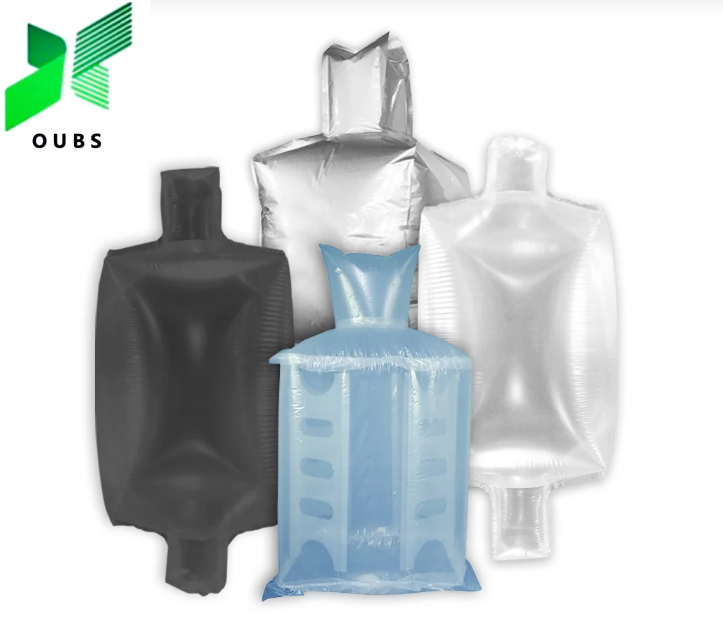
Not all food products are the same, and neither are FIBC liners. Choosing the right liner depends on the specific characteristics of your product and its sensitivity to the environment. As a manufacturer, we produce a variety of liner types to meet these diverse needs. Liners come in various sizes, shapes, and materials to offer tailored packaging solutions.
Here’s a breakdown of the most common types of FIBC liners for the food industry:
| Liner Type | Description | Best For | Key Benefit |
|---|---|---|---|
| Lay-Flat Liners | A simple, cylindrical tube of film placed inside the FIBC. It's the most common and cost-effective liner. | Free-flowing granules and powders like sugar, salt, and grains. | Basic protection against dust and moisture. |
| Form-Fit Liners | These liners are pre-shaped to the exact dimensions of the FIBC, including the top and bottom spouts. | Fine powders that can get trapped in the corners of a lay-flat liner, such as flour, spices, and milk powder. | Eliminates folds and pockets, improving filling and discharge efficiency and reducing product waste. |
| Barrier Liners | Constructed with multiple layers of specialized films, like EVOH or aluminum foil. | Oxygen- and moisture-sensitive products like coffee, nuts, and certain chemicals. | Provides a superior barrier against gas and vapor transmission, significantly extending shelf life. |
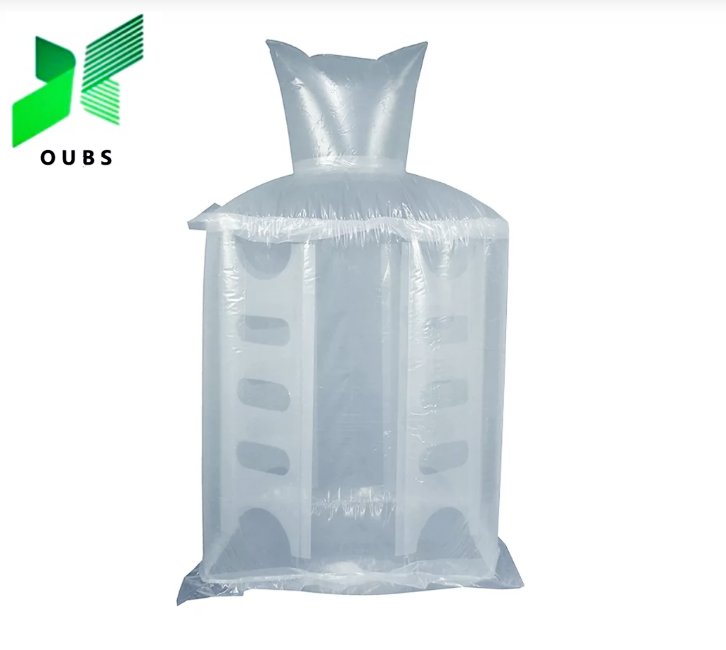
| Baffled Liners | A type of form-fit liner with internal baffles, which helps the FIBC bulk bag maintain its square shape when filled. | Any product where storage space is at a premium. The square shape allows for more stable and efficient stacking. | Maximizes storage space and improves shipment stability. |
Understanding these options is the first step. For instance, while a simple lay-flat liner is great for sugar, a more expensive aluminum foil barrier liner is essential for high-value organic coffee beans to preserve their aroma and prevent oxidation.
How Do You Ensure Your FIBC Liner and Bulk Bag Meet Food Safety Standards?
This is a critical question for any procurement officer. Compliance with international food safety standards is non-negotiable. Reputable manufacturers of food-grade packaging operate under strict protocols and hold certifications to prove their adherence to these standards. When you're sourcing FIBCs and liners, you must verify these credentials to protect your business.
Food-grade liners are manufactured in controlled, clean-room environments to prevent contamination during the production process itself. The raw materials used, primarily virgin polyethylene or polypropylene, must also be food-grade certified, meaning they are free from harmful substances that could leach into and contaminate the food. These facilities are often certified by organizations recognized by the Global Food Safety Initiative (GFSI), such as BRCGS (Brand Reputation Compliance Global Standards) or SQF. You should always ask a potential supplier for their certification documents.
In the United States, materials used for food packaging must comply with regulations set by the Food and Drug Administration (FDA). Similarly, in Europe, they must meet the standards of the European Food Safety Authority (EFSA). A reliable FIBC manufacturer will not only use certified materials but also have a rigorous quality control system in place. This includes testing for material strength, seam integrity, and cleanliness. When we produce a Food Grade FIBC Bag for Flour Powder, every step, from raw material extrusion to final assembly, is documented to ensure traceability and compliance.
Can the Right Liner Type Extend the Shelf Life of Food Products?
Absolutely. This is one of the most significant, yet often overlooked, benefits of a high-quality FIBC liner. The liner does more than just contain the product; it actively works to preserve its quality and extend its usable shelf life. This is achieved by creating a controlled atmosphere inside the bulk bag and protecting the contents from degradation.
The two biggest enemies of most dry food products are moisture and oxygen. Moisture can cause caking in powders, lead to bacterial growth, and initiate spoilage. Oxygen can lead to oxidation, which causes nuts and fatty products to go rancid and degrades the flavor and color of products like spices and seasonings. A standard polyethylene liner provides a good moisture barrier, but for highly sensitive products, a multi-layer barrier liner with materials like EVOH (Ethylene Vinyl Alcohol) or aluminum is required.
These advanced barrier liners are virtually impermeable to oxygen and water vapor. By drastically reducing the transmission of these elements, the liner essentially halts the degradation process. This means your product arrives at its destination with the same freshness, quality, and aroma it had when it left your facility. For businesses dealing in high-value food ingredients, extending the shelf life by even a few weeks can translate into huge financial savings by reducing waste and opening up new, more distant markets.
What Key Factors Should You Consider When Choosing the Right FIBC Liner?
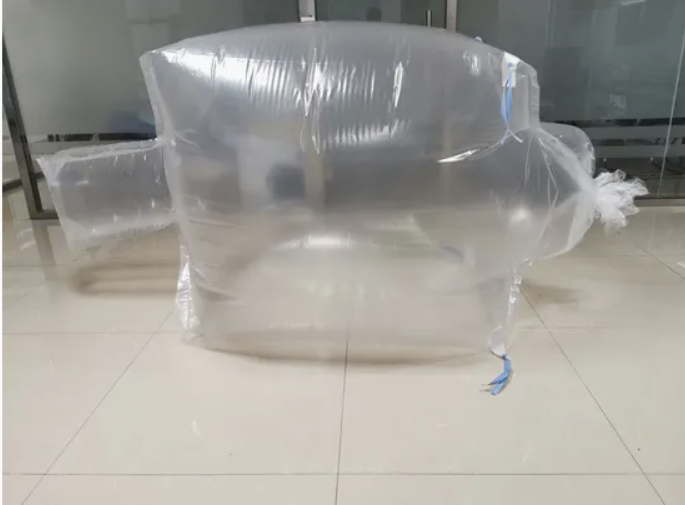
Choosing the right liner is a decision that requires careful consideration of several factors. Selecting the wrong liner type can lead to product loss, handling difficulties, or even catastrophic failure. As a manufacturer, I always walk my clients through a checklist to ensure they get the perfect fit for their needs.
- Product Characteristics: What are you packaging? Is it a fine powder, a sharp crystal, or a delicate flake? The particle size will determine if you need a sift-proof liner. The product's sensitivity to moisture and oxygen will dictate whether you need a standard polyethylene liner or a high-barrier liner.
- Filling and Discharge Methods: How do you load and unload your bulk bag? Your liner must be compatible with your equipment. Form-fit liners with custom-designed spouts are ideal for automated systems as they ensure smooth product flow and prevent the liner from getting caught in the machinery.
- Regulatory Requirements: What are the food safety standards in your industry and destination country? Ensure the liner material and the manufacturing facility are certified to meet these requirements (e.g., FDA, BRC). This is non-negotiable for storing food products.
- Static Protection: Some fine powders can generate static electricity during filling and discharge, creating a risk of a dust explosion. For these hazardous materials, an anti-static liner is essential for workplace safety.
By analyzing these four areas, you can narrow down your options and select a liner that provides the optimal balance of performance, cost, and safety for your specific application.
What is the Process for Installing and Using a Food-Grade FIBC Liner?
For those new to using food-grade FIBCs with liners, the installation process might seem intimidating. However, it's a relatively straightforward procedure designed for efficiency on the factory floor. Proper installation is key to ensuring the liner performs its function correctly.
There are a few common ways a liner can be inserted into a bulk bag:
- Loosely Inserted: This is the simplest method, where the liner is just placed inside the FIBC before filling. It's suitable for basic applications but can be prone to bunching.
- Glued Tabs: Small tabs on the liner are glued to the inner seams of the FIBC. This helps keep the liner in place during filling and discharge, preventing it from drooping or twisting. This is a common and effective method.
- Sewn Tabs: For a more secure fit, tabs on the liner are sewn into the main seams of the bulk bag during its construction. This is a feature of higher-end FIBC solutions and is often used with form-fit liners.
Once the liner is secured, the bulk bag is ready to be filled through its top spout. The liner will have a corresponding spout that is pulled up through the FIBC's spout. After filling, both spouts are tied off to seal the container. The process is designed to be simple and repeatable, ensuring that a secure, clean packaging environment is created every time.
Are There Common Mistakes to Avoid When Using Liners for Food Products?
From my experience, a few common but avoidable mistakes can compromise the effectiveness of an FIBC liner and jeopardize food safety. Being aware of these pitfalls is crucial for maintaining the integrity of your bulk packaging system.
The most critical error is using a non-food-grade liner for food products. This may seem obvious, but in an effort to cut costs, some may be tempted to use a general-purpose industrial liner. This is incredibly risky, as these liners are made from materials that are not approved for food contact and can introduce harmful chemicals into your product. Always insist on a food grade certificate of compliance.
Another common mistake is improper installation. If a liner is not correctly seated or secured inside the FIBC, it can tear or get snagged during the filling or discharge process. This breach completely negates the purpose of the liner, exposing the product to potential contamination. Lastly, reusing liners is generally not recommended for food packaging. A used liner can harbor bacteria or allergens from the previous batch, creating a serious risk of cross-contamination. Always use a fresh, new liner for each batch to ensure the highest level of food safety.
How Does Using Food-Grade FIBCs with Liners Impact Your Supply Chain?
Integrating food-grade FIBCs with the correct liners can have a profoundly positive impact on your entire supply chain. The benefits extend far beyond just product protection; they contribute to greater efficiency, lower costs, and enhanced reliability from start to finish.
First, they streamline operations. A bulk bag can hold the equivalent of 20-40 smaller sacks. This consolidation means less manual handling, faster loading and unloading times, and reduced labor costs. Liners help facilitate this by ensuring a smooth and clean discharge process, minimizing downtime. This efficiency gain is a significant competitive advantage in the fast-paced food processing industry.
Second, they reduce waste and costs. Form-fit liners, in particular, minimize product residue left in the container, ensuring you deliver more of your product. Furthermore, the superior protection offered by the liner prevents spoilage, reducing product loss during storage and transportation. This direct cost saving goes straight to your bottom line. An excellent example is how our customers use a Food Grade FIBC Bulk Bag for Sugar to ensure maximum product discharge and prevent clumping from moisture, preserving the value of their shipment.
The Future of Food Packaging: Why Liners are an Indispensable Component
As the global food supply chain becomes more complex and consumer expectations for safety and quality rise, the importance of advanced packaging solutions like the FIBC liner will only grow. The trend is moving towards smarter, more specialized liners that do more than just contain and protect.
We are seeing increasing demand for liners with specific properties—barrier liners that can manage oxygen and moisture levels with incredible precision, anti-static liners for combustible powders, and even liners that are more easily recyclable to support corporate sustainability goals. The liner is evolving from a simple component into a highly engineered piece of technology critical to the quality and safety of bulk packaging.
For any business involved in the storage and transportation of bulk food materials, embracing the use of high-quality, application-specific FIBC liners is not just a best practice; it is a strategic imperative. These liners are a cornerstone of modern food safety, providing the assurance needed to operate confidently in a demanding global market.
Key Takeaways
To ensure the safety and integrity of your food products when using bulk packaging, remember these critical points:
- Liners are Essential: An FIBC liner is not optional for food applications; it is the primary barrier against moisture, oxygen, and contamination.
- Match the Liner to the Product: Choose the right liner type (lay-flat, form-fit, barrier) based on your product's specific characteristics and sensitivities.
- Verify Certifications: Always demand proof of compliance with food safety standards like FDA, BRC, or GFSI to protect your product and your brand.
- Liners Extend Shelf Life: High-quality barrier liners can significantly reduce spoilage and product degradation, preserving value and reducing waste.
- Proper Use is Key: Ensure correct installation and avoid reusing liners for food applications to prevent cross-contamination and maintain the highest safety standards.
Post time: Sep-29-2025