Hello, I’m Allen, and for over a decade, I’ve been running a factory in China that specializes in high-quality bulk bags and liners. I’ve spent countless hours at international exhibitions, talking to business owners like Mark Thompson from the USA. Mark is a sharp guy; he knows the market and he’s always looking for durable, cost-effective products to supply to his clients in agriculture, mining, and chemical industries. A topic that comes up surprisingly often is the humble sandbag. It’s a simple tool, but its effectiveness in a crisis like a flood is undeniable. This article is for people like Mark and for anyone who needs to understand this essential tool better. We’ll dive deep into how sandbags work, what they’re made of, how to use them correctly, and what to look for in a quality supplier. You’ll learn everything you know about sandbags to protect property and assets when it matters most.
What Exactly Is a Sandbag and How Does It Work for Flood Control?
At its core, a sandbag is a simple sack, typically made from woven polypropylene or burlap, that is filled with sand or soil. But how does this simple object become such a powerful tool in flood control? The magic isn’t in stopping water completely, which is a common misconception. Instead, a properly placed sandbag wall works by redirecting the flow of water. The weight of the sand-filled bags holds them in place, creating a heavy, dense barrier. The fabric of the sandbag itself isn’t waterproof. In fact, a small amount of water to seep through is part of the design. This allows the sediment carried by the flood water to be filtered out and deposited into the gaps between the bags, which helps to seal the barrier even more tightly over time.
The primary function of a sandbag is to create a temporary levee or dike. When you build a sandbag wall, you are essentially constructing a dam to hold back or divert rising waters. The weight and friction between the stacked sandbags create a stable structure that can resist significant water pressure. A single sandbag might not seem like much, but when hundreds or thousands are interlocked correctly, they form a formidable defense. This principle has been used for centuries in both civilian flood protection and military applications. The versatility and effectiveness of the sandbag make it an indispensable tool for emergency preparedness.
Think of it like this: each individual sandbag is a brick. One brick is just a heavy block. But when you stack them correctly with mortar, you can build a house. With sandbags, the "mortar" is the combination of gravity, friction, and the clever pyramid-stacking technique that locks them together. This is how a collection of simple bags becomes a life-saving barrier against a powerful flood. The use of sandbags is a proven method for protecting homes, businesses, and critical infrastructure from water damage.
What Are Sandbags Made Of? A Look at Common Materials
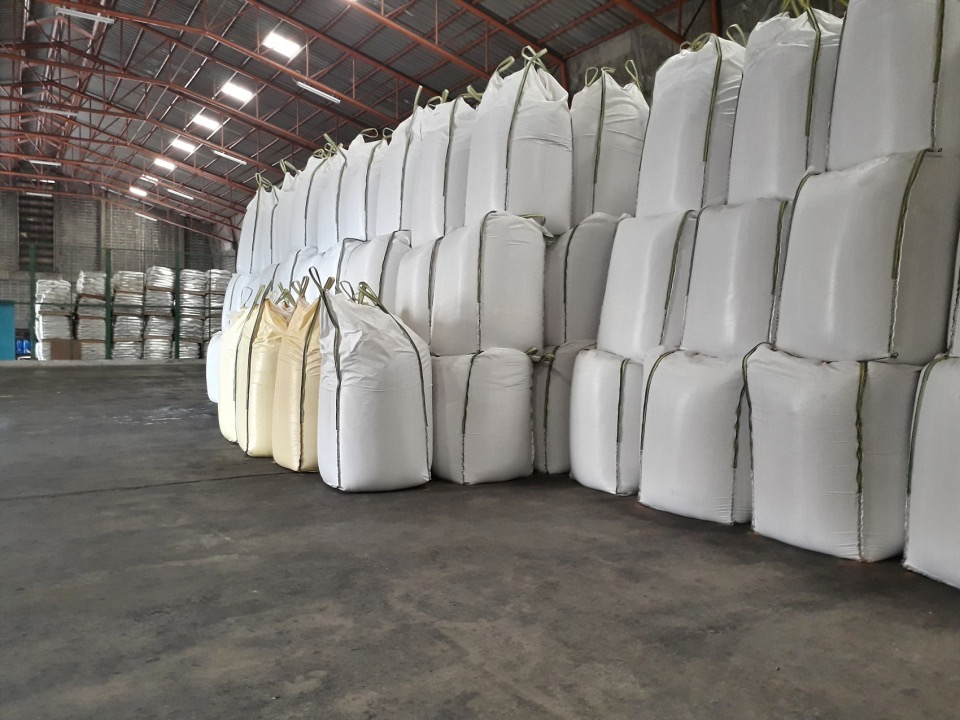
The material for sandbags is crucial to their performance and durability. While you might picture old-fashioned burlap bags, the industry has largely moved towards more resilient materials. Today, most high-quality sandbags are made from woven polypropylene. This is the same tough, tear-resistant material we use to manufacture our FIBC Bulk Bags 1000kg Packing for Granule Stone Fertilizer, and for good reason. Woven polypropylene sandbags offer superior strength, rot resistance, and a longer shelf life compared to their natural-fiber counterparts.
Let’s break down the common materials:
- Woven Polypropylene (PP): This is the modern standard. Polypropylene sandbags are lightweight, strong, and don’t degrade when exposed to moisture. They are also more resistant to tearing and punctures. For applications requiring long-term use or exposure to sunlight, UV-resistant sandbags are available, which have a special coating to prevent the plastic from becoming brittle. As a manufacturer, this is the material I recommend to 99% of my clients. The bags are made of interwoven plastic threads, creating a very strong fabric.
- Burlap (Hessian): These are the traditional sandbags. Burlap sandbags, or hessian sandbags, are made of burlap, a natural fiber from the jute plant. Their main advantage is that they are biodegradable. However, they are prone to rotting and tearing, especially when wet for extended periods. They typically last only a few months, making them suitable only for very used for short-term emergencies.
- Other Plastics (e.g., Polyethylene): While less common for the bag itself, polyethylene is often used for liners inside sandbags to make them more waterproof, though this is usually unnecessary for standard flood control applications where redirecting water flow is the goal.
Here’s a quick comparison table:
| Feature | Woven Polypropylene Sandbags | Burlap Sandbags |
|---|---|---|
| Durability | High (Tear & Puncture Resistant) | Low (Prone to Rot & Tearing) |
| Lifespan | Long (Years, especially with UV inhibitor) | Short (Months) |
| Weight (Empty) | Very Light | Light |
| Cost | Low | Very Low |
| Environmental | Recyclable | Biodegradable |
| Best For | Emergency preparedness, long-term projects | Single, short-term emergency use |
In my experience, the choice is clear for anyone serious about preparedness. PP sandbags provide the reliability and strength needed to withstand the harsh conditions of a flood. The small additional cost is a worthy investment for peace of mind.
How Do You Properly Fill Sandbags for Maximum Effectiveness?
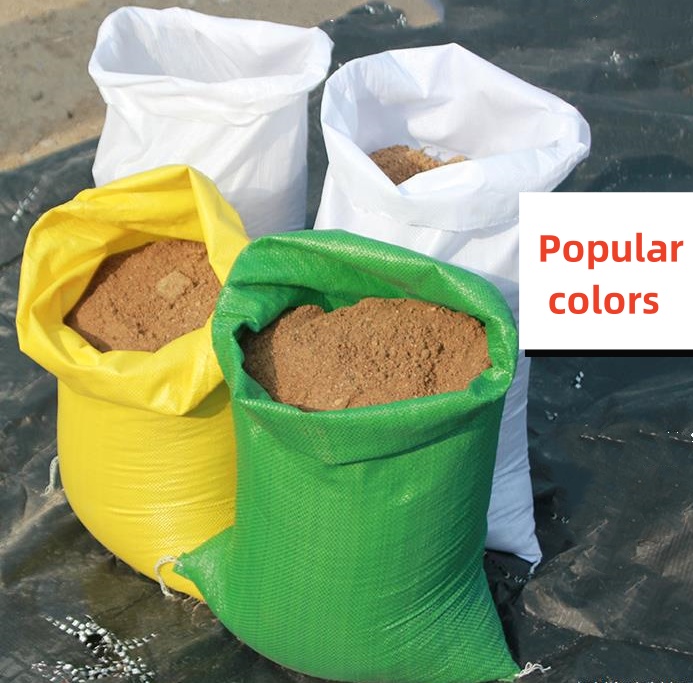
How you fill sandbags is just as important as what they’re made of. A poorly filled sandbag is clumsy, inefficient, and can compromise the integrity of your entire barrier. The goal is not to fill the sandbag to the brim. Overfilling makes the bags too rigid and heavy, creating gaps in your wall that allows water to seep through. Underfilling makes the wall weak and unstable. The sweet spot is filling them about one-half to two-thirds full.
Here’s a step-by-step guide to fill sandbags correctly:
- Work in Pairs: This is the most efficient method. One person holds the sandbag open, creating a wide target, while the other shovels sand into it. Fold the top of the sandbag outward to create a collar, which makes it easier to hold.
- Use Safety Gear: Always prioritize safety. The use of safety goggles and gloves is highly recommended. Sand and dust can easily get into your eyes, and repetitive shoveling can cause blisters.
- Fill to the Right Level: Shovel sand or soil into the sandbag until it is between 1/2 and 2/3 full. A properly filled bag should weigh between 35-40 pounds (16-18 kg). This weight is manageable for most people to lift and carry, and it allows the sandbag to be flexible enough to mold into place when stacked.
- Secure the Bag: Close the top of the sandbag by folding the top flap over. Do not tie it shut unless you plan on transporting them. Leaving the top untied allows the sandbag to lay flat and create a better seal when placed in a wall. The weight of the next sandbag on top will hold it closed.
Many people are surprised to learn that prefilled sandbags are often not ideal. While convenient, they can be difficult to transport and are often overfilled. Having a stockpile of empty polypropylene sandbags and a source of sand is a much more flexible and effective strategy. We often ship large quantities of empty bags to municipalities and large companies for this very reason. Having sandbags available and knowing how to fill sandbags quickly is a critical part of any flood emergency plan. This knowledge is so important that some communities even offer sandbag training.
What Is the Correct Technique for Stacking Sandbags to Build a Wall?
Building a stable sandbag wall is a science. Simply piling sandbags on top of each other will create a weak structure that can be easily toppled by water pressure. The correct technique involves stacking sandbags in an interlocking pyramid shape, much like a bricklayer lays bricks. This method ensures the wall is strong, stable, and provides the best possible seal against rising water.
Here’s how to do it:
- Clear the Foundation: Before you place sandbags, clear the ground of any debris, rocks, or sharp objects. This ensures the first layer has a solid, flat base. If you have time, you can dig a small trench, about one sandbag deep and wide, to anchor the base of your wall.
- Lay the First Row: Place sandbags tightly against each other, end to end, parallel to the direction of the water flow. The folded-over tops of the bags should be tucked under and face away from the flood water. This first row of sandbags is your foundation.
- Build in a Pyramid: The second row should be placed on top of the first, straddling the joints of the bags below, just like laying bricks. This interlocking pattern is key to the wall’s strength. Continue stacking sandbags in this manner, making each new layer slightly more inland (away from the water). This creates a pyramid shape with a wide base, which is incredibly stable. A good rule of thumb is to make the base of the wall three times as wide as its intended height. For example, to build a 3-foot high wall, you need a base that is 9 feet wide.
- Tamp and Compact: As you build, walk on the sandbags to tamp them down firmly. This compacts the sand and forces the bags to mold together, eliminating gaps and creating a tighter seal to prevent water from getting through. A well-built sandbag wall can hold back several feet of water.
Remember, the goal is to create a solid, heavy mass. Every sandbag should be pressed firmly into the one below and next to it. It takes a significant number of sandbags to build an effective barrier, so planning is essential. Knowing how many sandbags you need and the proper way to place sandbags can make all the difference in a flood situation.
How Long Do Sandbags Last and What Affects Their Lifespan?
A question I get all the time from procurement managers like Mark is, "How long do sandbags last?" The answer really sandbags depends on two key factors: the material they are made from and the environmental conditions they are exposed to. The lifespan of sandbags is a critical consideration for both emergency planning and long-term projects.
Woven polypropylene sandbags have a significant advantage here. If stored properly indoors, away from sunlight and moisture, empty PP sandbags can last for many years without any degradation. However, once they are filled and placed outdoors, their lifespan is determined by their exposure to ultraviolet (UV) radiation from the sun. Standard polypropylene sandbags last for several months to a year in direct sunlight before the material starts to become brittle and weak. To combat this, manufacturers like us produce uv-resistant sandbags. These bags are treated with a UV inhibitor that can extend their outdoor lifespan to two years or more, making them ideal for more prolonged flood protection or construction projects.
In contrast, burlap sandbags have a much shorter lifespan. They are biodegradable and will start to rot and decompose within a few weeks to months, especially in wet conditions. While this biodegradability is an advantage for disposal, it makes them unsuitable for stockpiling or for any situation that might require a barrier for more than a single, short-term event. The sandbags deteriorate much faster. So, while inexpensive sandbags made of burlap might seem like a good deal, their short life makes them a poor investment for serious preparedness. For anyone needing reliable, multi-season protection, high-quality woven polypropylene sandbags are the only way to go.
Are There Different Types of Sandbags for Different Needs?
Yes, not all sandbags are created equal. While the standard woven polypropylene sandbag is a versatile workhorse, there are specialized types designed for specific applications. As a manufacturer catering to diverse industries, from agriculture to logistics, we understand that one size doesn’t fit all. The sandbags are designed with different features to meet unique challenges.
Here are some of the main types you’ll encounter:
- Standard Woven Polypropylene (PP) Sandbags: These are the most common type, typically 14×26 inches in size. They are strong, affordable, and perfect for general flood control. These are the sandbags that are often used in flood control.
- UV-Resistant Sandbags: As mentioned earlier, these sandbags are treated with a UV-inhibiting coating. This makes them the best choice for any application where the sandbag will be exposed to sunlight for an extended period, such as in construction, erosion control, or for building semi-permanent barriers.
- Military Sandbags (MIL-SPEC): These sandbags are built to meet specific military specifications for strength, durability, and UV resistance. They are often heavier-duty and may feature a different color (like olive drab) for camouflage. These military sandbags are used to fortify defensive positions.
- "Sandless" Sandbags: These are a more modern innovation. They contain a super-absorbent polymer that swells up when it comes into contact with water. They are incredibly lightweight to transport and store when dry, but they are also much more expensive than traditional sandbags and are generally intended for smaller, residential applications rather than large-scale flood protection.
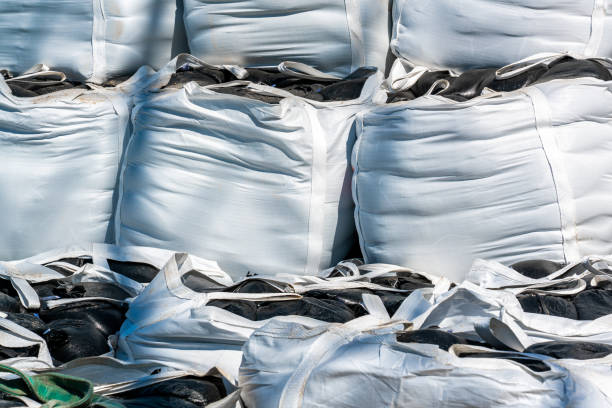
- Large-Scale Bulk Bags: For massive projects, sometimes standard sandbags aren’t enough. In these cases, larger FIBCs (Flexible Intermediate Bulk Containers), like the kind we specialize in, can be used. These giant sandbags, sometimes called Super Sack FIBC 1 Ton Big Jumbo Bags, can hold a ton or more of sand. They are used to build massive, rapidly deployable barriers using heavy machinery.
The type of sandbag you need depends entirely on your situation. For most emergency preparedness, a good stock of standard or UV-resistant woven polypropylene sandbags is the most practical and cost-effective choice. They offer the best balance of strength, lifespan, and affordability.
Beyond Flood Control: What Else Are Sandbags Used For?
While sandbags are most famous for their role in flood control, their usefulness extends far beyond holding back water. Their simple design—a durable bag filled with a heavy material—makes them incredibly versatile. In fact, many of my clients in the construction and agricultural sectors use sandbags for a wide variety of purposes.
Here are some of the other common applications for sandbags:
- Erosion Control: Sandbags are often used to control soil erosion on hillsides, in construction sites, and along riverbanks. They can slow down water flow from rain, preventing valuable topsoil from being washed away.
- Construction and Traffic Control: On construction sites, sandbags are used to weigh down signs, barricades, and tarps. They can also be used to create temporary traffic channels or pedestrian walkways. Their flexibility and weight make them perfect for these temporary setups. These sandbags are used in construction daily.
- Military Fortification: Sandbags have a long and storied history in the military. They are used to fortify bunkers, trenches, and artillery positions. They are excellent at absorbing the energy from bullets and explosions, providing effective protection for soldiers. The term sandbag itself has deep military roots.
- Fitness and Training: The sandbag has become a popular piece of equipment in functional fitness training. Lifting and carrying an awkward, shifting sand bag provides a unique full-body workout that builds practical strength.
- Ballast and Counterweights: Sandbags are also used as temporary weights or ballast. They can be used to anchor tents and outdoor event structures, hold down photography or film equipment, or provide counterweight for small cranes and hoists. We have even supplied industrial bulk bags for agriculture that are used to weigh down large agricultural coverings.
The simple sandbag is a testament to functional design. Whether for flood defense, construction, or even exercise, its utility is remarkable. Any business that deals with temporary structures, earthworks, or outdoor operations can likely find a use of sandbags.
What Are the Key Safety Precautions When Using Sandbags?
Working with sandbags, especially during an emergency, can be strenuous and hazardous. It’s crucial to take safety precautions to prevent injuries and illness. The work often involves repetitive heavy lifting in difficult conditions, so protecting your body is paramount.
Here are the most important safety tips to remember:
- Protect Your Body: Always lift with your legs, not your back, to avoid strain. A properly filled sandbag weighs 35-40 pounds, and lifting dozens or hundreds of them can take a toll. Wear sturdy, closed-toe boots to protect your feet.
- Wear Gloves and Goggles: As mentioned before, gloves are essential to prevent blisters and cuts. Goggles are equally important to protect your eyes from sand and dust. This is a non-negotiable part of sandbag safety.
- Be Aware of Contaminants: Flood water is often heavily contaminated with sewage, chemicals, and bacteria. Never touch your face or mouth when working with sandbags that have been exposed to flood water. Wash your hands thoroughly with soap and water as soon as you are finished. Contaminated sandbags should be handled with extreme care.
- Stay Hydrated and Take Breaks: The work is physically demanding. Drink plenty of water and take regular breaks to rest and avoid exhaustion or heat stroke, especially in warm weather.
- Children Should Not Participate: Filling and stacking sandbags is not a job for children. Their bodies are not developed for heavy lifting, and they are more susceptible to injury and contaminants in the water.
Safety should always be the top priority. Rushing and cutting corners can lead to injuries that will only make a difficult situation worse. Planning your sandbag operation and ensuring everyone involved knows these safety rules is a critical step.
How Should You Go About Disposing of Used Sandbags?
After the flood waters recede, you’re left with a wall of wet, heavy sandbags. Disposing of used sandbags properly is an important final step. You can’t just leave them in place or dump them anywhere. The method of disposal depends on what the sandbags were exposed to.
If the sandbags were only exposed to rainwater and filled with clean sand, the process is relatively simple. The sand can be spread on lawns or gardens as a soil amendment. The empty bags, especially woven polypropylene sandbags, can be washed, dried, and stored for future use. This is where the durability of PP sandbags really pays off, as sandbags can be reused.
However, if the sandbags came into contact with flood water, they must be treated as contaminated waste. This water can contain a nasty mix of chemicals, oil, and bacteria.
- Handling Contaminated Sandbags: Always wear gloves and protective clothing when handling these bags.
- Disposal of Sand: The contaminated sand should not be used in gardens, play areas, or anywhere else where it could pose a health risk. It needs to be disposed of at a licensed landfill. Many local governments will set up specific collection sites for contaminated sandbags after a major flood event. Check with your local public works or emergency management agency for guidance.
- Disposing of Bags: The bags themselves should also be disposed of in a landfill. Do not try to wash and reuse bags that have been soaked in contaminated flood water.
Properly disposing of used sandbags protects both public health and the environment. It’s the responsible conclusion to any flood fighting effort.
Why a Reliable Supplier Matters for Your Bulk Sandbag Needs
For a business owner like Mark, who supplies critical materials to other companies, the reliability of his own suppliers is everything. When it comes to emergency preparedness products like sandbags, this is doubly true. You cannot afford to have a shipment delayed or receive a batch of poor-quality bags when a flood is imminent. This is where choosing an experienced and reputable manufacturer like us makes a tangible difference.
A reliable supplier provides more than just a product; they provide peace of mind. Here’s what you should look for:
- Quality Materials: Your supplier should use high-quality, virgin woven polypropylene with strong UV inhibitors. Recycled or low-grade materials can lead to bags that tear easily and degrade quickly. We pride ourselves on using only the best raw materials.
- Consistent Manufacturing: The sandbags should be filled and stacked with precision, and that requires bags of a consistent size and strength. A good factory has stringent quality control at every stage of production to ensure every sandbag meets specifications.
- Certifications and Transparency: Look for suppliers with internationally recognized certifications, like ISO 9001. A trustworthy partner will be transparent about their processes and happy to provide documentation. This helps avoid the nightmare of certificate fraud that many buyers worry about.
- Logistical Expertise: Getting thousands of sandbags from a factory in China to a warehouse in the USA requires deep logistical knowledge. An experienced supplier understands shipping, customs, and how to prevent delays. This is a core part of our service.
- Clear Communication: This is perhaps the biggest pain point for Western buyers. You need a sales and support team that is responsive, speaks clear English, and understands your needs. Inefficient communication can derail an entire project.
Ultimately, your sandbags are a critical line of defense. They are an investment in safety and security. Partnering with a proven, high-quality manufacturer ensures that when you need them, your sandbags will perform exactly as they should.
Key Takeaways to Remember
- How They Work: Sandbags don’t block water; they redirect it. The weight of the bags and the sediment that fills the gaps creates a strong, temporary dam.
- Material Matters: Woven polypropylene sandbags are the modern standard, offering superior strength, longevity, and UV resistance compared to traditional burlap.
- Fill Correctly: Only fill sandbags one-half to two-thirds full. This makes them manageable and allows them to mold together for a tighter seal.
- Stack Smart: Always stack sandbags in an interlocking pyramid shape for maximum stability, with the base being three times the width of the intended height.
- Safety First: Always use gloves and goggles, lift with your legs, and treat any bag exposed to flood water as contaminated.
- Dispose Responsibly: Dispose of contaminated sand and bags at a proper landfill. Clean sand can be used for landscaping.
- Choose a Good Supplier: Your supplier’s reliability is crucial. Look for quality materials, consistent manufacturing, and clear communication.
Post time: Jun-10-2025