Imagine a busy industrial hub on a Tuesday morning. The sun is just rising, and delivery trucks are already lining up at the loading dock. A procurement director is reviewing his morning reports when he gets an urgent call from the warehouse floor. A massive package has just ruptured. Hundreds of dollars worth of vital goods are currently spilling across the cement, creating a huge safety hazard. The forklift driver is frustrated, the cleanup crew is scrambling, and the scheduled truck departure is now delayed by hours. This ripple effect will upset clients and damage the company's reputation. Why did this happen? Because the wrong vessel was chosen for a highly demanding job.
Are you tired of these warehouse disasters? Moving massive amounts of raw resources requires extreme safety and efficiency. This guide reveals how the right fibc solves logistics nightmares and prevents accidents. You will learn exactly how to handle massive inventory without compromising on quality or breaking the bank. By making intelligent procurement decisions, you ensure smooth operations every single day. Read on to discover the engineering secrets behind modern shipping vessels and how they protect your bottom line.
Why is a heavy-duty bulk bag essential for an aggregate application?
When working with jagged stone or dense rock, you simply cannot rely on flimsy packaging. A heavy-duty container is built exactly for this tough application. These strong units prevent catastrophic blowouts that can halt an entire job site in its tracks. A single burst sack costs money, ruins product, and endangers workers. Think about the immense physical forces at play. Crushed minerals possess incredibly sharp edges that constantly grind against their enclosure. As a forklift lifts the payload into the air, gravity intensifies this friction.
In the demanding world of construction, moving aggregate safely is absolutely critical. A standard bag just won't cut it. You need a bag designed to hold serious daily abuse from forklifts and cranes. The tear resistance of these woven units is truly unmatched in the industry. Procurement managers absolutely demand this level of engineering because they understand that human lives are literally on the line during lifting operations.
Key benefits of utilizing specialized sacks include:
- Extreme prevention against punctures.
- High UV ray deflection for outdoor storage.
- Safe, reinforced lifting loops for crane hooks.
Furthermore, a specialized container provides a crucial 5:1 safety factor. This mathematical rating means the sack can theoretically support five times its rated capacity before failing. When you are hoisting thousands of pounds over a busy port, you cannot rely on guesswork. Precision manufacturing ensures every single thread contributes to the overall stability of the payload.
How do fibc units safely handle bulk aggregate?
Flexible Intermediate Bulk Containers are marvels of modern structural engineering. They safely handle massive weights, easily lifting thousands of lbs without breaking a sweat. Their secret lies in the incredible tensile strength of the woven fibers. They wrap around the payload, creating a secure lifting envelope. During the manufacturing process, advanced drawing benches and circular looms are utilized to create a flawless fabric. Factories run rigorous drop tests and top-lift tests to verify that the seams will never burst under pressure.
When you manage bulk aggregate, human safety always comes first. A leaning or falling bag is a nightmare for any warehouse manager. These durable containers maintain their structural integrity perfectly under pressure. Every single unit is rigorously tested to ensure a totally safe load for your busy team. The U-Panel architecture, which uses one continuous piece of fabric for the bottom and two sides, drastically reduces the stress placed on the bottom seams. This clever engineering ensures that even the most unstable goods are cradled securely.
The testing protocols for these vessels are incredibly intense. Independent laboratories subject them to cyclic top lift testing, dropping them from significant heights to measure dynamic impact survival. Only vessels that pass these brutal physical exams are authorized for international trade. This rigorous certification process is why seasoned professionals trust them implicitly.
What makes woven polypropylene the best material for a stone bag?
Polypropylene is the ultimate secret weapon for logistics. This specific material is incredibly tough yet surprisingly lightweight. It forms the absolute perfect bag for jagged rock. You get maximum strength without adding useless dead weight to your shipping manifest. When freight costs are calculated by the pound, shaving off unnecessary container weight translates directly into massive annual savings.
The amazing strength comes directly from how the plastic threads tightly interlock. This grid-like design distributes the intense weight evenly across the entire bag. It delivers extreme durability, making the container a highly cost-effective choice for repeated, rigorous use in harsh environments. Even if a small puncture occurs, the grid-like weave prevents the hole from tearing further, isolating the damage.
Another massive advantage is UV stabilization. Outdoor job sites expose vessels to brutal sunlight for weeks on end. Standard plastics become brittle and shatter like glass after prolonged sun exposure. However, premium synthetic resins are treated with advanced UV inhibitors, granting them over two thousand hours of sun protection. This means your payload stays completely secure even if it sits outside in a hot, dusty yard all summer long.
How does the right bag design improve transport and storage?
Smart, intentional design makes a huge difference in daily operations. A well-built bag with sturdy corner loops allows forklifts to move them swiftly and safely. This speeds up the entire transport process immensely, cutting down on expensive labor hours. Drivers can load a flatbed truck in half the time it takes to move traditional pallets.
"Efficiency is the backbone of profitability. If your warehouse takes twice as long to load a truck, you are losing money on every single shipment."
Good storage practices mean maximizing every inch of space. You want a bag that you can stack safely in your crowded warehouse. A perfectly stable stack keeps your vital stock organized and your concrete floor clear for other machinery. When warehouse square footage is at a premium, building upward is the only viable solution for growing businesses.
The inclusion of a discharge spout at the bottom of the sack further revolutionizes the workflow. Instead of tipping a massive sack over and creating a huge dust cloud, operators simply untie the bottom spout and let gravity do the work. The contents flow out in a controlled, precise manner directly into the mixing hopper. This eliminates waste and drastically reduces the cleanup time required after a batch is processed.
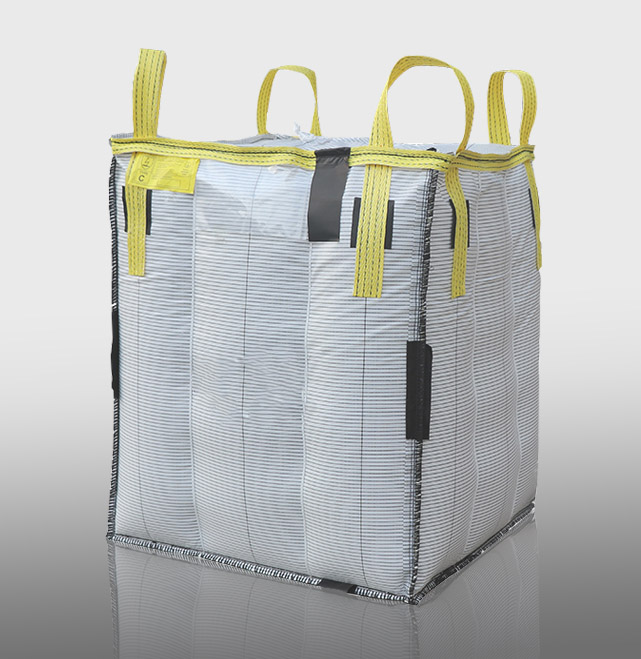
Are bags with liners necessary to protect dry raw materials?
Sometimes, you deal with fine powders or dry items like winter salt. In these specific cases, bags with liners are absolutely essential. The internal liner acts as an impenetrable shield to protect the precious supplies inside from the outside weather. A microscopic breach in an unlined sack can let in enough humidity to ruin an entire batch of sensitive ingredients.
A simple inner plastic layer stops creeping moisture dead in its tracks. You never want to open a shipment and find clumpy powder or ruined products. This extra layer ensures no fine particle escapes during a long, bumpy transit across the country. Check out Dry Bulk 20 FT Container Liner For Powder Cargo to see how advanced barriers work. The peace of mind this provides is absolutely invaluable.
Furthermore, highly sensitive pharmaceutical powders or food-grade ingredients demand absolute hygiene. An extruded inner barrier guarantees that zero outside contaminants ever touch the internal goods. It provides a pristine, sterile environment throughout the entire journey, satisfying strict health and safety inspectors across the globe. You can confidently PP Woven Container For Dangerous Goods Type C Jumbo anti Static Bulk Bag deploy these knowing compliance is guaranteed.
How do you efficiently load and stack a bulk bag for shipping?
You must always load a bulk bag carefully to keep it perfectly balanced. Uneven filling causes a leaning bag, which is incredibly dangerous for everyone nearby. A straight, perfectly upright bag is much easier to handle for fast logistics. If a vessel slumps to one side, forklift tines cannot easily access the lifting loops, causing severe operational bottlenecks.
Once full, you need to firmly stack them like giant building blocks. Proper stacking uses valuable warehouse vertical space efficiently. It is a highly reliable way to safely store massive amounts of dense sand without needing extra square footage. Operators generally utilize a pyramid stacking method, ensuring the base is wide and incredibly stable before adding upper tiers.
To achieve the perfect fill, facilities often use specialized filling stations. These stations inflate the sack with air to remove wrinkles, then pour the contents perfectly down the center axis. This precise filling technique ensures the center of gravity remains dead center. When placed inside a 40HQ ocean freighter, these perfectly squared vessels fit snugly against one another, completely eliminating dangerous cargo shift during rough seas.
What capacity options exist when you need to store sand or gravel?
Most procurement managers need a bag that can effortlessly hold massive amounts of raw product. When moving dense sand or loose gravel, total payload capacity really matters. You do not want to waste time using multiple small, annoying containers. Time spent tying and untying dozens of small packages is time that could be spent on actual production.
These massive units easily accommodate 2000 lbs or even more. This large volume drastically cuts down on the number of trips a busy forklift makes in a day. You can easily store massive quantities of aggregate safely and securely. The massive dimensions turn a chaotic yard into a beautifully streamlined logistical operation.
Selecting the correct size requires a bit of basic math. You must know the specific density of your product. A sack designed for lightweight oats will need to be much taller to reach the same weight as a sack filled with dense minerals.
| Product Type | Average Density (lbs/cu ft) | Recommended Volume |
|---|---|---|
| Oats | 26 | Large |
| Soil | 75 | Medium |
| Gravel | 105 | Small |
Manufacturers offer customized dimensions so that your filled vessel perfectly maximizes the cubic volume of your standard delivery trucks, ensuring you never pay to ship empty air.
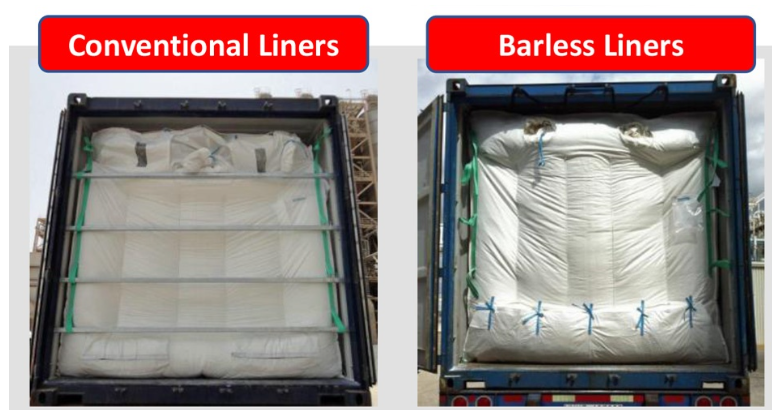
Can a porous bag prevent mold in agricultural seed and grain?
Yes, proper air flow is vital for sensitive agricultural products. A highly porous bag prevents dangerous heat buildup inside the container. This actively stops damaging mold from ruining your valuable seed or delicate harvest grain. A ruined harvest is a catastrophic financial loss for any farming operation, making the choice of vessel incredibly vital.
Unlike a sealed plastic container, these allow the natural contents to breathe freely. When transporting and storing organic goods, excellent air circulation literally saves the harvest. It is a brilliant, highly flexible solution for farmers and food processors worldwide. For specialty uses, look into Industrial bulk bags for agriculture to ensure your crops remain perfectly fresh.
Freshly harvested crops often respire, releasing moisture and heat as they settle. If trapped inside a waterproof vessel, this condensation creates a micro-climate perfect for fungal growth. Ventilated fabrics have specific woven gaps that act like tiny windows, allowing the heat to escape while still keeping the crops securely contained. It is a perfect marriage of structural containment and biological preservation.
Why is a specific configuration needed for soil, wood chips, and landscape supplies?
Landscape yards constantly deal with messy items like wet soil and bulky wood chips. The right structural shape prevents the bag from bulging outwards into a messy sphere. Specialized baffle designs pull the corners in, keeping the bag perfectly square and upright. Without baffles, standard vessels tend to turn into giant cylinders when filled with wet, heavy earth.
A square bag saves precious floor space on a flatbed delivery truck. This makes delivering bulky landscape supplies much smoother for the driver. You get a neat, tidy package instead of a sloppy, round blob that rolls around during transport. PP Woven Jumbo Bag Baffle Formed Liner solutions offer incredible stability, ensuring the driver can navigate tight residential streets safely.
This aesthetic neatness is also a massive selling point for retail garden centers. When homeowners visit a yard to purchase supplies, they want a clean, professional presentation. A neat, cubed package looks vastly superior to a slumped, misshapen pile. It communicates quality and professionalism, elevating your brand image in the eyes of the consumer.
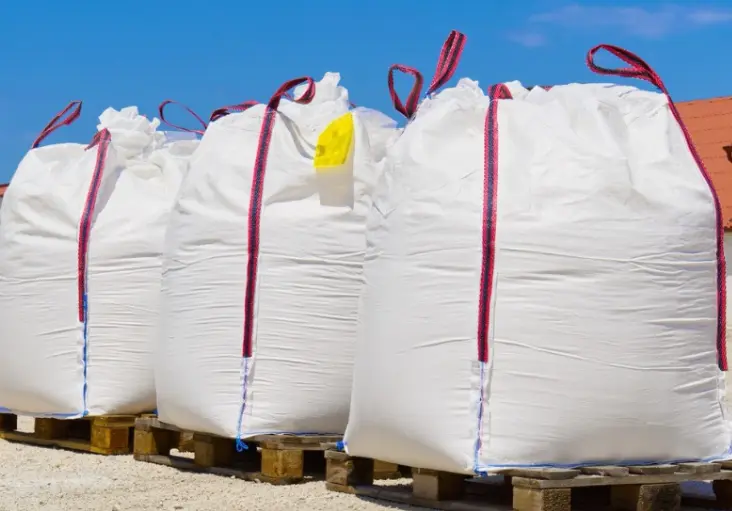
How do these bulk material storage solutions offer affordable transportation?
Finding reliable bulk material storage solutions transforms your annual freight budget. Because these containers are so light, you aren't paying extra fuel to ship rigid metal bins. This simple fact makes transit much cheaper and far more environmentally friendly. The ratio of product weight to container weight is unmatched by any other industrial packaging method on the market today.
They fold completely flat when empty, saving massive return transit costs. This simple feature makes them perfect for continuous supply chains. Whether you need them for construction purposes or retail distribution, the daily financial savings add up incredibly quickly. When you need packaging, using top-tier material storage bags changes everything. Ensure your methods utilize strong 1000kg 1500kg big size FIBC Bulk PP Jumbo Bags for ultimate peace of mind.
Furthermore, the lack of rigid walls means there is zero maintenance required. You never have to weld a broken hinge, hammer out a dent, or repaint a rusty surface. Once the lifecycle is complete, the synthetic polymer is fully recyclable, meaning your company avoids massive disposal fees while simultaneously boosting its green corporate initiatives. It is the ultimate win-win scenario for modern enterprises.
Key Takeaways
- Maximum Safety: Utilizing a specialized, heavy-duty sack prevents warehouse disasters and ensures worker safety.
- Cost Efficiency: Lightweight woven plastics drastically reduce freight costs compared to rigid metal or wooden bins.
- Space Optimization: Baffle designs and square shapes allow for perfectly stable warehouse stacking.
- Product Protection: Inner barriers halt moisture, while breathable fabrics prevent agricultural mold.
- Customizable Operations: Tailoring dimensions and spout types streamlines your unique loading and discharging processes.
Post time: Jun-25-2026