Hello, I’m Allen, and I’ve spent years in the heart of the big bag and liner industry here in China. At xsbulkbag, we operate seven production lines, crafting high-quality solutions for businesses worldwide, from the USA and North America to Europe and Australia. I understand the challenges you face in transporting bulk goods – the need for unwavering cargo protection, the constant drive to optimize your shipping container usage, and the desire to streamline operations. This article is for you if you’re looking to get the most out of every shipment, ensuring your cargo arrives safely and your logistics run smoothly. We’ll dive deep into how container liners can be a game-changer for your business, especially if you’re in agriculture, mining, chemicals, or logistics. It’s worth reading because, by the end, you’ll see how a simple addition to your container can lead to significant improvements in efficiency and cost savings.
What Exactly Are Container Liners and How Do They Revolutionize Bulk Shipping?
You might be familiar with standard shipping containers, the workhorses of global trade. But have you ever thought about what goes inside these containers to protect your valuable cargo? That’s where container liners come in. Think of a container liner as a large, fitted bag that is placed inside a standard shipping container. Its primary purpose is to create a protective barrier between your cargo and the interior walls of the container. This is especially crucial for bulk shipping of dry bulk goods like grains, powders, chemicals, and minerals. The container liner essentially transforms a general-purpose container into a specialized bulk container, ready to transport your goods safely and efficiently.
The revolution they bring to bulk shipping is multifaceted. Firstly, container liners prevent contamination. The container you receive might have previously carried different types of cargo, and residues or odors could compromise your product. A liner material, often made from robust woven polypropylene or polyethylene, ensures that your cargo only comes into contact with a clean, food-grade (if necessary) surface. This maintains the integrity of the cargo. Secondly, they simplify the container loading and unloading process for bulk cargo. Instead of laboriously loading and unloading smaller bags or using a pallet system for loose goods within the container, you can load dry bulk materials directly into the lined container. This ability to maximize the use of container space means you can transport more cargo per container, leading to better overall efficiency.
From my experience at xsbulkbag, I’ve seen companies transform their shipping operations by adopting container liners. They move away from costly and time-consuming traditional methods of cargo transport. The beauty of using container liners is their simplicity and effectiveness. These liners are designed to fit snugly inside standard shipping containers, often with various loading and discharge options to suit different dry bulk cargo types. For anyone looking to optimize their shipping process for bulk goods, understanding and utilizing container liners is no longer a luxury but a necessity for competitive and safe and efficient transport.
Why Should Your Business Consider the Benefits of Shipping Container Liners for Dry Bulk Cargo?
If your business deals with dry bulk cargo, the benefits of shipping container liners are too significant to ignore. One of the primary advantages is superior cargo protection. Imagine shipping fine powders or sensitive agricultural products. Without a container liner, these goods are exposed to moisture, pests, and potential contamination from the previous cargo or the container itself. A container liner forms an impermeable barrier, safeguarding your dry bulk goods from these risks, ensuring the safety and integrity of your product throughout the transport journey. This level of protection directly translates to reduced product loss and enhanced customer satisfaction.
Another key benefit, especially for businesses like Mark Thompson’s who are quality-sensitive yet seek competitive pricing, is cost-effectiveness. Container liners allow you to use standard shipping containers for bulk shipping, eliminating the need for more expensive specialized bulk containers or the inefficiencies of shipping bagged cargo. By maximizing the use of the container‘s volume, you can transport more dry bulk cargo in a single shipment, which directly reduces per-unit shipping costs. Furthermore, the ease of cleaning a container after using a liner (often, the container remains almost pristine) saves on cleaning expenses and turnaround time for the container. This faster turnaround can be critical for maintaining tight logistics schedules.
Finally, using container liners significantly enhances operational efficiency for handling dry bulk materials. The container loading and unloading processes become quicker and require less manual labor compared to handling numerous small bags or dealing with loose cargo on a pallet. Many container liners come with features like top or end-fill spouts and bottom discharge spouts, which can be integrated with automated loading systems. This ability to streamline operations not only saves time but also reduces labor costs and minimizes the risk of spillage during cargo handling. For businesses looking to optimize their supply chain for dry bulk transport, the efficiency gains from container liners are a compelling reason to make the switch.
How Do Container Liners Maximize Cargo Protection and Maintain Product Integrity During Shipment?
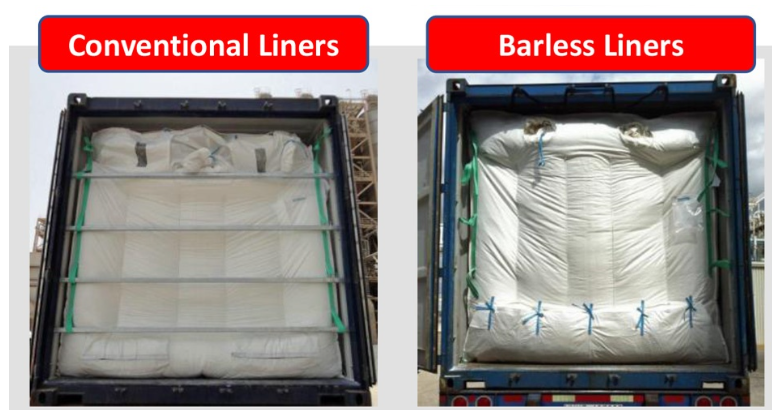
Container liners are champions when it comes to maximizing cargo protection and preserving product integrity during shipment. The core of this protection lies in the barrier they create. A shipping container, despite its robust appearance, isn’t always a hermetically sealed environment. Tiny gaps, previous cargo residues, or even the material of the container walls can pose a threat to sensitive cargo. A container liner acts as a shield, isolating your goods from direct contact with the container floor and walls. This is crucial to prevent contamination, whether it’s from moisture seeping in, dust from previous loads, or odors that could taint your product. For industries like food and beverage or pharmaceuticals, where hygiene and purity are paramount, a container liner is indispensable for maintaining the integrity of the cargo.
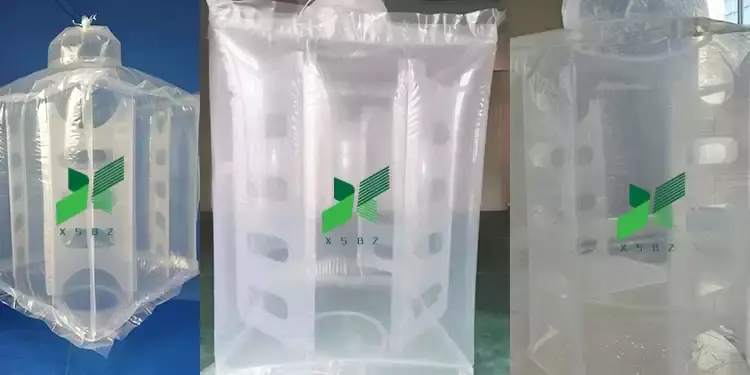
The materials used for container liners are specifically chosen for their protective properties. Woven polypropylene (PP) and polyethylene (PE) are common choices, known for their strength, tear resistance, and impermeability to moisture and many chemicals. As a manufacturer, we at xsbulkbag pay close attention to the quality of this liner material. Some liners are designed with additional features like oxygen barriers or anti-static properties, crucial for specific types of cargo. For example, when transporting fine powders that can create combustible dust, an anti-static container liner, like our TYPE-C Conductive FIBC Bulk Bag, is essential for safety. This careful selection of materials and design ensures that the container liner effectively protects the cargo from physical damage, spoilage, and chemical reactions during transport.
Furthermore, container liners contribute to maintaining product integrity by minimizing cargo movement within the container. While not their primary role for stabilization (unlike dunnage bags), a well-fitted liner can help contain the bulk cargo, reducing shifting that might occur during rough sea transport or road transit. This containment also prevents spillage within the container if the primary packaging (if any) were to be compromised. By keeping the cargo secure and isolated, container liners ensure that what you load into the container is what your customer receives, in the same quality and quantity. This reliability in cargo transport is key to building trust and a strong reputation in global trade.
Can Using Container Liners Really Streamline Your Container Loading and Unloading Processes?
Absolutely! One of the most significant operational advantages of using container liners is the remarkable way they streamline container loading and unloading processes. Think about traditional methods for bulk cargo: manual loading of countless smaller bags, or the slow process of using forklifts for pallet after pallet. Container liners transform this. For dry bulk materials, you can often load the cargo directly into the lined container using gravity-fed systems, pneumatic conveyors, or augers. This means a 20ft or 40ft container can be filled much faster and with significantly less manual labor. The liner effectively turns the entire container into one giant bag.
The unloading process also sees a dramatic improvement in efficiency. Many container liners are designed with discharge spouts at one end. Once the container doors are opened, the container can be tilted, allowing the dry bulk cargo to flow out smoothly through the spout into a hopper, silo, or another receiving container. This gravity-assisted or pneumatically-assisted discharge is far quicker and cleaner than manually emptying bags or scooping out loose cargo. This reduction in handling time means quicker turnaround for the container and the transport vehicle, which can be a major factor in busy ports or facilities aiming to optimize their logistics.
From our experience working with clients in agriculture and mining, the time saved during load and unload operations translates directly into cost savings and increased throughput. For instance, a shipping company or a logistics manager like Mark Thompson would quickly see the benefits. Fewer man-hours are needed, the risk of spillage and product loss during handling is reduced, and equipment like forklifts (for bagged cargo) might be used less, saving on fuel and maintenance. The overall efficiency gained not only speeds up the shipping process but also enhances worker safety by minimizing manual handling of heavy cargo. This streamlined approach is a cornerstone of modern, efficient bulk shipping.
What Are the Different Types of Container Liners Available, and Which is Right for Your Cargo?
The world of container liners is quite diverse, with various types designed to suit different types of cargo and handling requirements. Choosing the right container liner is crucial to maximize protection and efficiency. One common type is the Pillow (or Bulkhead) Liner. These are generally rectangular bags that fit snugly inside standard shipping containers. They often come with integrated bulkheads (rigid panels at the door end) to support the cargo and facilitate loading/unloading. These are excellent for most free-flowing dry bulk goods.
Another important category includes Form-Fitted Liners. As the name suggests, these liners are designed to conform more precisely to the internal dimensions of the container, minimizing wrinkles and maximizing usable container space. Some form-fitted liners might have specialized features like baffles to improve stability for certain cargo. Then there are Thermal Liners, which provide insulation to protect cargo sensitive to temperature fluctuations during transport. For liquid cargo or very fine powders that require an extremely high level of protection against moisture or oxygen, Barrier Liners (often made with materials like aluminum foil composites, similar to our aluminum film bags concept but on a larger scale) are used. The choice of liner material—be it woven polypropylene, polyethylene, or specialized multi-layer films—also dictates the container liner’s suitability for specific cargo.
Determining the right liner depends on several factors:
- Type of Cargo: Is it a powder, granule, pellet? Is it food-grade, chemical, or mineral? This will influence the required liner material and features (e.g., food-grade certification for Food Grade Dry Bulk Container Liners For Soybeans).
- Loading/Unloading Methods: Do you use top-loading, end-loading, pneumatic systems, or gravity discharge? The container liner needs compatible filling and discharging spouts.
- Sensitivity of Cargo: Does it require protection from moisture, oxygen, static, or temperature changes?
- Weight and Density of Cargo: This affects the required strength and construction of the container liner.
As a manufacturer, we always advise our clients, including those like Mark who are looking for the best container solution, to discuss their specific shipping needs with us. This ensures they get a container liner that not only protects their cargo but also integrates seamlessly into their logistics and cargo handling processes.
How Do Container Liners Contribute to Cost Savings in Shipping and Storage?
Container liners are a surprisingly effective tool for achieving significant cost savings in shipping and storage. One of the most direct ways they save money is by reducing the need for traditional packaging materials. Instead of purchasing, filling, and handling hundreds or thousands of individual sacks or bags for your bulk cargo, you can load it directly into a lined container. This eliminates the cost of the sacks, the labor to fill and seal them, and the expense of disposing of them at the destination. This reduction in packaging also means you can fit more actual product – more cargo – into the shipping container, optimizing container space and thereby lowering the per-ton shipping costs.
The efficiency gains during container loading and unloading, as we discussed, also translate into substantial cost savings. Faster loading and unloading mean reduced labor costs, less equipment usage (like forklifts), and quicker turnaround times for containers and trucks. In busy ports or manufacturing facilities, time is money, and any reduction in handling time can lead to lower demurrage charges for container ships or detention fees for trucks. Furthermore, the superior cargo protection offered by container liners minimizes product loss due to spillage, contamination, or damage during transport. Every bit of cargo saved is money saved, directly impacting your bottom line.
Beyond the immediate transport phase, container liners can also offer advantages in shipping and storage. If bulk cargo needs to be temporarily stored within the container upon arrival, the liner continues to protect it. Moreover, because the container liner keeps the container itself clean, you avoid or significantly reduce the costs associated with cleaning shipping containers after use. Some shipping companies charge hefty fees for cleaning containers that have carried dirty or difficult-to-remove cargo. By using container liners, the container often only requires a quick sweep, making it ready for its next shipment much faster and cheaper. This focus on overall efficiency and cost reduction makes container liners a smart investment for any business involved in bulk shipping.
Are Container Liners an Environmentally Friendly Choice for Your Logistics Needs?
This is a question I hear more and more, and it’s an important one. When considering the environmental impact of container liners, it’s useful to compare them to traditional methods of bulk cargo transport. If the alternative is shipping goods in numerous small plastic or paper sacks, then container liners can indeed be a more environmentally friendly alternative to traditional packaging. A single container liner replaces hundreds, sometimes thousands, of smaller bags. This means a significant reduction in the total amount of packaging material used for the same volume of cargo. Less raw material consumption and less packaging waste at the destination are clear environmental benefits.
Many container liners are made from recyclable plastics like polypropylene (PP) or polyethylene (PE). While recycling infrastructure varies globally, the potential for these liners to be recycled at the end of their life is a positive aspect. At xsbulkbag, we are conscious of this and often work with materials that are more amenable to recycling. Furthermore, the efficiency gains from using container liners can indirectly contribute to a lower environmental footprint. By maximizing container capacity, you might need fewer container shipments to transport the same total volume of cargo. Fewer shipments mean less fuel consumption by container ships and trucks, leading to reduced greenhouse gas emissions per ton of cargo transported.
However, it’s also important to acknowledge that most container liners are single-use, primarily for hygiene and to prevent contamination between different cargo types. While some heavy-duty liners are reusable for specific, closed-loop logistics systems (where the container and liner return to the sender for the same product), this is not the norm for most international bulk shipping. The key is responsible disposal and, where possible, recycling of the liner material. The reduction in overall packaging waste and the potential for more efficient transport often position container liners as a preferable option from an environmental perspective when compared to excessive individual packaging for bulk goods. We always encourage our customers to explore local recycling options for used liners.
What Key Factors Should You Consider When Selecting a High-Quality Container Liner Supplier?
Choosing the right supplier for your container liners is as crucial as selecting the right liner itself. This is something I always emphasize to my clients, including discerning buyers like Mark Thompson who prioritize quality. First and foremost, look for a supplier with proven experience and expertise in manufacturing container liners. A supplier like xsbulkbag, with dedicated production lines and a history of serving international markets, will understand the nuances of different cargo types and shipping needs. Ask about their manufacturing processes, quality control measures, and the source of their raw materials. A reputable supplier will be transparent about these aspects.
Certifications are a critical indicator of quality and reliability. For container liners intended for food and beverage transport, ensure the supplier can provide food-grade certifications (e.g., FDA, BRC, ISO 22000). General quality management certifications like ISO 9001 demonstrate a commitment to consistent production standards. Don’t hesitate to ask for copies of these certificates and verify their authenticity. Unfortunately, certificate fraud can be an issue, so dealing with established and transparent suppliers minimizes this risk. A good supplier will also be able to provide technical specifications for their liner material, including tensile strength, tear resistance, and any special properties like UV protection or anti-static capabilities. This information is vital for ensuring the container liner can handle your specific cargo and transport conditions.
Beyond product quality, consider the supplier’s service and support. How is their communication? Inefficient communication is a major pain point, so look for a supplier who is responsive, understands your requirements, and can offer expert advice. Can they customize container liners to your specific needs (e.g., spout dimensions, loading methods)? What are their capabilities regarding logistics and ensuring timely shipment of the liners to you? A reliable supplier understands that shipment delays can disrupt your production schedules. Finally, while competitive pricing is important, it shouldn’t be the sole factor. The true cost-effective solution comes from a balance of quality, reliability, and price. A cheap container liner that fails during transport and leads to cargo loss or contamination will end up costing far more in the long run. We, as a High Quality Bulk Bag Supplier & Manufacturer, pride ourselves on hitting that balance.
Key Supplier Selection Checklist:
- Experience & Expertise: Proven track record in manufacturing container liners.
- Quality Control: Robust QC processes from raw material to finished product.
- Certifications: Relevant ISO standards, food-grade certs (if needed). Verify authenticity.
- Material Specifications: Clear data on liner material properties.
- Customization: Ability to tailor liners to specific cargo and handling.
- Communication & Support: Responsive, knowledgeable, and helpful.
- Logistics & Lead Times: Reliable shipment and delivery.
- Reputation & References: Check reviews or ask for client testimonials.
- Price vs. Value: Focus on overall value, not just the lowest price.
How Can Container Liners Improve Overall Efficiency in Your Supply Chain Beyond Just the Shipping Container?
The impact of container liners extends well beyond the confines of the shipping container itself; they can significantly improve overall efficiency throughout your supply chain operations. By simplifying and speeding up the container loading and unloading processes, liners reduce bottlenecks at both the origin and destination points. This faster turnaround of containers and transport vehicles means improved asset utilization for your shipping company and potentially for your own fleet or contracted haulers. Less waiting time means more trips can be made, or resources can be reallocated more effectively.
The enhanced cargo protection provided by container liners also has ripple effects across the supply chain. Reduced product damage or contamination means fewer instances of rejected shipments, returns, or insurance claims. This not only saves direct costs but also prevents disruptions and delays that can cascade through your supply chain, affecting production schedules and customer satisfaction. When your cargo arrives consistently intact and in good condition, it builds reliability and trust with your customers, which is invaluable. This reliability can lead to smoother downstream processes, as your customers can depend on the quality and quantity of the bulk goods they receive.
Furthermore, by enabling the transport of bulk cargo in a more cost-effective manner, container liners can make certain supply chains more viable or competitive. For businesses sourcing raw materials or distributing finished bulk goods over long distances, the savings on packaging and shipping costs can be substantial. This can allow a company to be more competitive in its pricing or to source materials from more distant, potentially cheaper, locations. The streamlined cargo handling also reduces the complexity of logistics planning and execution. In essence, container liners help to make the movement of bulk cargo a more seamless and efficient part of the supply chain, contributing to a leaner and more responsive operation. This is critical for maintaining a competitive edge in today’s fast-paced global trade environment.
Addressing Common Concerns: What About Installation, Pallet Compatibility, and Multi-Use of Container Liners?
When businesses first consider adopting container liners, a few common questions often arise regarding practicality. Let’s address some of these. Firstly, installation: "Are container liners easy to install and remove?" The answer is generally yes. Most container liners are designed for straightforward installation, often by just two people. They typically come with integrated loops or ties that attach to lashing points within the shipping container. The process usually involves unfurling the liner inside the clean container, securing it, and then preparing the loading/discharge openings. Removal is also simple: once the cargo is discharged, the liner is detached and pulled out. While it might take a little practice for the first one or two, teams quickly become proficient. We provide clear instructions, and many videos are available online demonstrating the process.
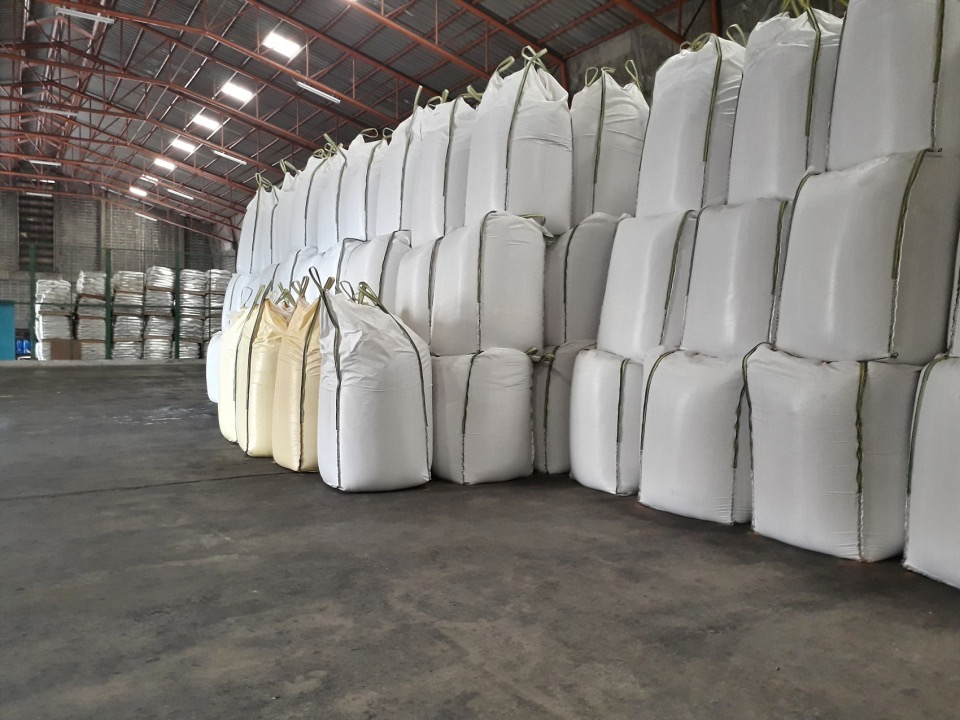
Another common query relates to pallet compatibility. "Can I still use pallets with container liners?" While the primary benefit of container liners is for bulk shipping loose materials, thereby often replacing the need for palletized bags, there are scenarios where they might be used in conjunction. For example, if you are shipping very large "super sacks" or FIBC PP Flexible Container Bags on pallets inside a container, a container liner could still be used to provide an extra layer of protection for the entire container contents, especially if the container itself is not perfectly clean or if extreme cargo protection is needed. However, the main advantage of bulk container liners like our 20FT/40hq PP Woven Inner Dry Bulk Container Liner is to eliminate the need for extensive use of pallets and smaller bags for dry bulk cargo.
Finally, the question of reusability: "Are container liners reusable?" For most general cargo transport, particularly in international shipping operations where hygiene and preventing cross-contamination are critical (especially for food and beverage or sensitive chemicals), container liners are typically considered single-use. This ensures that each shipment benefits from a fresh, clean barrier. However, in specific closed-loop logistics systems, where the container and liner return to the same point of origin to carry the exact same product, heavy-duty liners are also sometimes cleaned and reused. This depends heavily on the type of cargo, cleaning protocols, and the economic feasibility. For most of our clients exporting diverse dry bulk goods, the assurance of a new, pristine liner for each shipment outweighs the potential for reuse. The focus is on guaranteeing the safety and integrity of the cargo.
As we’ve explored, container liners offer a powerful solution to maximize cargo protection, streamline operations, and optimize costs in the world of bulk shipping. From protecting delicate dry bulk cargo to simplifying container loading and enhancing overall efficiency in your supply chain, the benefits are clear. As someone who has seen the practical advantages firsthand at xsbulkbag, I’m confident that integrating container liners into your shipping process can lead to significant improvements.
Key Takeaways to Remember:
- Superior Cargo Protection: Container liners create a vital barrier against contamination, moisture, and pests, ensuring the integrity of your cargo.
- Cost-Effective: They reduce packaging costs, maximize container space, and lower per-unit shipping costs.
- Operational Efficiency: Container liners streamline container loading and unloading, saving time and labor.
- Versatility: Various types of container liners are available to suit different dry bulk and even some liquid cargo needs.
- Environmental Consideration: Can be a more environmentally friendly option by reducing overall packaging waste compared to individual sacks.
- Supplier Choice is Key: Select a reputable supplier focusing on quality, certifications, and reliable service to truly optimize your shipping.
If you’re looking to enhance your bulk cargo transport and reap these benefits, I encourage you to explore how container liners can be tailored to your specific shipping needs. The right container liner is more than just a bag; it’s a strategic tool for better logistics.
Post time: May-08-2025