In the high-stakes world of international trade, paying to ship "air" is the nightmare of every procurement officer and logistics manager. Whether you are moving agricultural products from the Midwest or chemical powders from Asia, the freight bill is likely one of your biggest expenses. This is why optimizing container space isn't just a logistical exercise; it's a financial necessity.
For industry veterans like Mark, who navigate the complex waters of the shipping industry daily, the goal is simple: maximize the amount of cargo in every shipment to lower the cost per unit. This is where dry bulk container liners come into play. These specialized packaging solutions transform a standard shipping container into a clean, bulk-transportation silo, allowing you to utilize every cubic inch of available space.
As a factory owner with years of experience manufacturing these liners, I have seen firsthand how shifting from small sacks or pallets to a container liner can revolutionize a supply chain. In this guide, we will explore the mechanics of container utilization, the role of liner service providers, and how you can achieve significant cost savings by rethinking how you pack your box.
What is the Real Challenge with Container Utilization in Global Trade?
Container utilization is the holy grail of logistics management. A standard 20-foot container has a specific volume and weight limit. However, rarely do shippers hit both maximums simultaneously. This gap between the theoretical capacity and the actual payload is "wasted space," and in the world of freight, wasted space equals wasted money.
The shipping process is plagued by inefficiencies. When you use pallets, you lose vertical space because you can't always stack them to the ceiling. You also lose horizontal space due to the gaps between pallets. Even with standard 25kg sacks, the shape and size of the bags create voids.
Furthermore, freight forwarders and shipping lines operate on tight margins. They utilize complex liner shipping network design strategies to ensure their vessels are full. But for the individual shipper, the challenge is internal: How do I get more product into the box? If your container space is only 80% full, you are effectively paying a 20% premium on your freight costs. Optimizing container loading is the only way to combat this.
How Do Dry Bulk Container Liners Revolutionize Bulk Cargo Logistics?
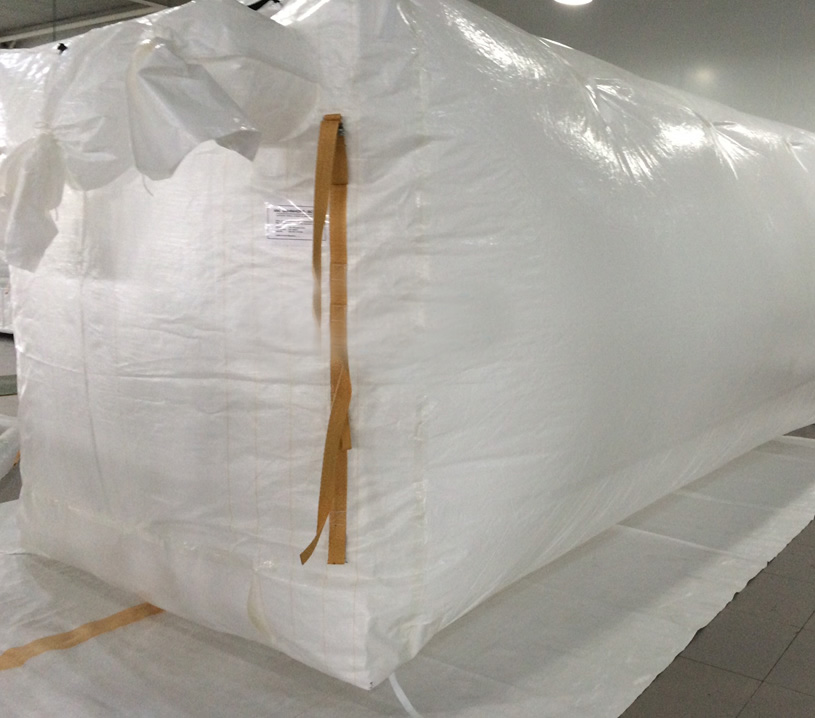
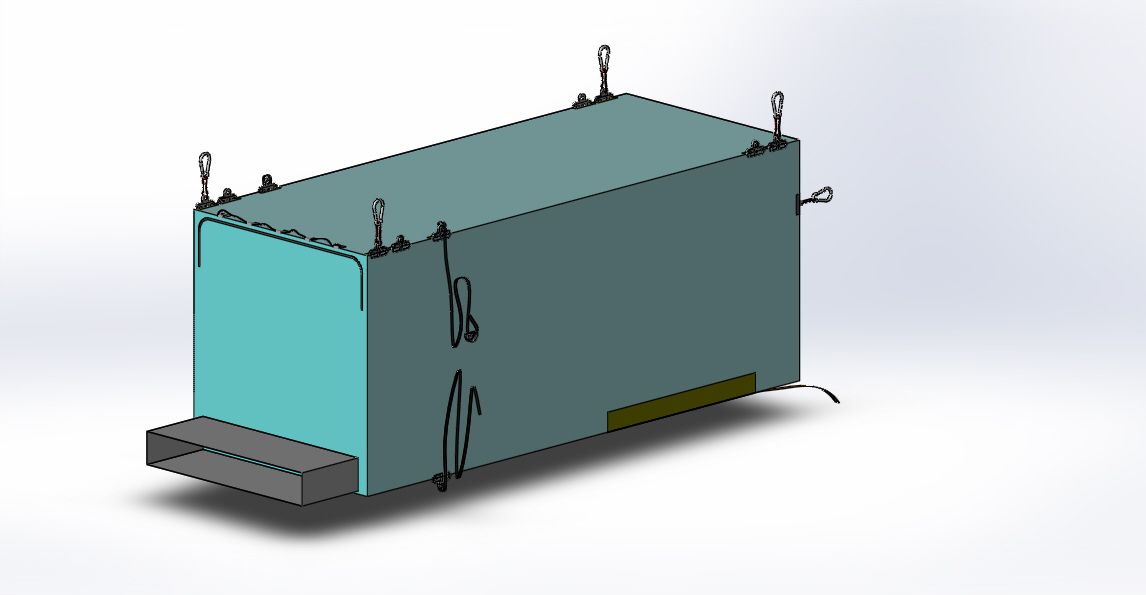
A container liner is essentially a giant, flexible bag made of Polypropylene (PP) or Polyethylene (PE) that fits inside a standard ISO container. Once installed, it converts the container into a dedicated vessel for bulk cargo. This eliminates the need for intermediate packaging like pallets, small sacks, or intermediate bulk containers (IBCs).
Dry bulk container liners allow for the transport of free-flowing goods—such as grains, resins, powders, and chemicals—using the entire volume of the container. By removing the need for pallets (which take up space and add weight), a liner allows you to load right up to the door and close to the roof.
This shift changes the logistics equation. Suddenly, the container itself becomes the packaging. This is particularly vital for bulk materials. For example, utilizing a 20FT Dry Bulk Container Liner can increase the payload of grain by tons compared to using small sacks loaded on pallets. It is a cost-effective solution that directly addresses the utilization problem.
What Are the Key Mechanics Behind Maximizing Efficiency with Liners?
Maximizing efficiency with a container liner comes down to geometry and physics. Traditional packaging leaves gaps. A container liner, when filled under pressure or via conveyor, expands to fill the voids of the container.
Here is a breakdown of how optimization happens:
- Elimination of Packaging Tare: Pallets and thick sacks add weight. By removing them, you can allocate more of the container's weight limit to the actual product.
- Volume Maximization: A liner fills the corners and the height of the container that pallets cannot reach. This better container filling can result in 15% to 35% more product per shipment.
- Reduced Handling: Since the cargo is one single unit, loading and unloading are streamlined. You aren't moving 20 pallets; you are connecting a hose or a belt.
In global trade, where shipping capacity is often tight, being able to move more product in fewer containers means you book fewer slots on shipping routes. This reduces your exposure to volatile shipping cost fluctuations.
How Does Proper Loading Technique Improve Container Space Utilization?
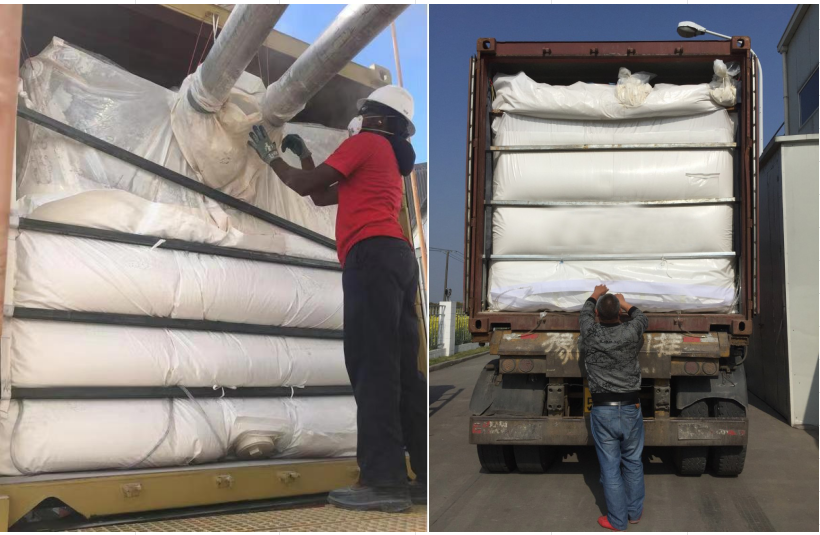
Having the right container liner is only half the battle; the container loading process is where the real optimization occurs. If a liner is not installed or filled correctly, you will still end up with wasted space or, worse, a bulged container that doesn't fit in the container terminals.
Loading typically involves pneumatic blowers, belt throwers, or gravity feed systems.
- Pneumatic Loading: This is excellent for powders. It blows the product into the liner, inflating it like a balloon to ensure it presses against the walls.
- Belt Throwers: Used for granular products like malt or coffee. The machine throws the product to the back of the container, stacking it high and tight.
We often advise clients on load planning software and techniques. For instance, using a Container liner with zipper style allows for easier access and monitoring during the loading phase. Proper venting is also crucial; as air transports the product in, the displaced air must escape, or the liner will under-fill. Mastering these techniques is essential to improve container payload.
Can Optimization Models and Liner Service Networks Reduce Operational Costs?
While we focus on the box, liner shipping companies focus on the network. The liner shipping problem involves complex optimization models to determine ship routing and scheduling, fleet deployment, and empty container repositioning.
For the shipper, understanding the liner shipping network helps in planning. If you are shipping on a popular route, shipping connectivity is high, and freight costs might be lower. However, if you optimize your container usage with liners, you become less dependent on the frequency of shipping services.
By increasing the density of your cargo, you reduce the total number of containers required for your annual volume. This means fewer trucks, fewer handling fees at the port calling sequence, and less administrative work. It lowers the overall operational costs of your logistics networks. Effectively, high container utilization insulates you from some of the inefficiencies of the broader liner shipping service.
What Types of Container Liners Are Best for Optimizing Specific Cargo?
Different bulk cargo requires different container types and liner configurations to ensure optimal shipping. Selecting the right container liner is critical for space utilization and product safety.
| Liner Type | Best For | Utilization Feature |
|---|---|---|
| Standard PP Woven Liner | Granules, Pellets, Resins | High strength, allows for high-density stack loading. |
| Film (PE) Liner | Powders, Moisture-sensitive goods | Smooth surface ensures complete discharge, reducing waste. |
| Thermal/Aluminum Liner | Wine, Chemicals, Foodstuffs | Protects against temperature spikes during transit. |
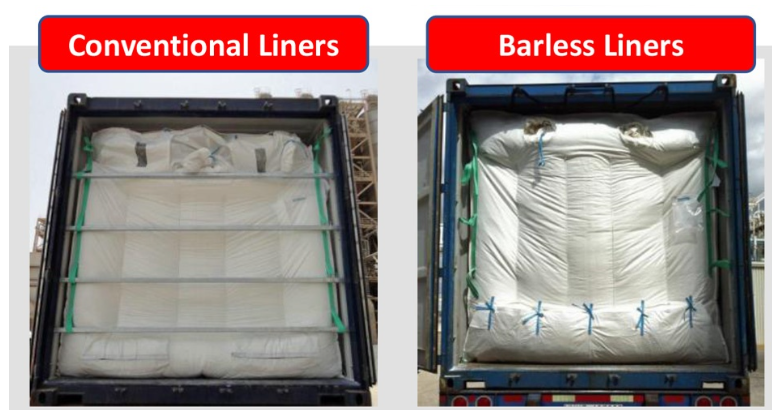
| Barless/Baffle Liner | Free-flowing solids | Internal baffles prevent bulging, keeping container dimensions standard. |
For example, our Food Grade Dry Bulk Container Liner is specifically designed for hygiene and flow. If you are moving chemical powders, a PP Woven PE Bulk Container Liner might be better to prevent contamination and leakage. Matching the liner to the cargo ensures you maximize the shipping capacity.
How Do Liners Contribute to Sustainability and Reduce Carbon Footprint in Transit?
Sustainability is no longer a buzzword; it is a mandate in shipping operations. Dry bulk container liners play a significant role in making logistics greener.
- Packaging Reduction: One liner replaces hundreds of sacks and huge amounts of plastic wrap and strapping. This significantly reduces plastic waste at the destination.
- Efficiency: By engaging in efficient container practices (shipping more product in fewer boxes), you lower the carbon emissions per ton of cargo. The shipping industry is under pressure to decarbonize, and increasing utilization is the most immediate way to contribute.
- Recyclability: Polypropylene and Polyethylene liners are fully recyclable.
- Reduced Cleaning: Using a liner keeps the shipping container clean. This reduces the need for harsh chemical wash-downs at the container terminals or hub port before empty container repositioning.
Analyzing the ROI: How Much Shipping Cost Can You Actually Minimize?
Let's talk numbers. Mark, as a procurement officer, cares about the bottom line. How much can you save by optimizing container loads with liners?
Consider a scenario of shipping plastic pellets.
- Method A (Sacks on Pallets): You can fit roughly 16-18 tons in a 20ft container.
- Method B (Container Liner): You can load up to 21-24 tons (depending on road weight limits).
That is a roughly 30% increase in cargo per shipment. If your ocean freight is $3,000 per container, Method A costs you $166 per ton. Method B costs you $125 per ton. That is a massive cost savings purely derived from container utilization. Over hundreds of containers, this saves hundreds of thousands of dollars. It also reduces port handling charges and trucking fees, which are often charged per container, not by weight.
The Role of Freight Forwarders and Liner Shipping Companies in Network Design
Freight forwarders are the architects of your transport, and liner shipping companies provide the vessels. Both appreciate high utilization. Freight forwarders can negotiate better rates when they know your container loading is consistent and heavy.
Liner shipping networks are designed around hub-and-spoke network design. Large vessels call at a major hub port, and smaller feeder vessels serve regional ports. Network design and fleet deployment rely on predicting volume. When you use liners, your volume becomes more predictable and dense.
While the fleet deployment problem and ship routing and scheduling are managed by the shipping lines, your ability to be a flexible, high-efficiency shipper makes you a preferred customer. You are not shipping half-empty boxes that take up valuable slot space on a vessel where the cost of vessels is astronomical. You are maximizing the value of the shipping trade.
Future Trends: Technology and the Evolution of the Container Liner Fleet
The future of container logistics is smart and integrated. We are seeing the rise of optimization models that integrate load planning software directly with liner manufacturing.
- Smart Liners: Integration of IoT sensors to monitor humidity and temperature inside the liner during international shipping.
- Automated Loading: Robotic systems at container terminals that can fill liners with precision speed, further reducing operational costs.
- Advanced Materials: New polymer blends that are thinner yet stronger, allowing for even more payload and less waste.
The global liner shipping ecosystem is evolving. The focus is shifting from simply moving boxes to moving cargo intelligently. As shipping connectivity improves and the number of ports grows, the container liner remains the most effective tool for the shipper to control their own efficiency within the massive machine of global trade.
Summary of Key Points
- Utilization is Key: Maximizing container utilization is the most effective way to reduce freight costs.
- Liners maximize Space: Dry bulk container liners eliminate wasted space caused by pallets and packaging gaps.
- Cost Efficiency: You can achieve 15-30% more payload per shipment, significantly lowering the cost per unit.
- Loading Matters: Proper loading techniques (pneumatic/belt) are essential to ensure the liner fills the container correctly.
- Sustainability: Liners reduce packaging waste and carbon emissions by requiring fewer shipping containers for the same amount of cargo.
- Strategic Logistics: High utilization improves your standing with freight forwarders and fits efficiently into liner shipping networks.
By adopting dry bulk container liners, you aren't just buying a bag; you are investing in a logistics strategy that prioritizes efficiency, sustainability, and profit. Whether you are dealing with a hub port or a remote destination, the liner ensures your product arrives safely and economically.
Post time: Nov-27-2025