Polypropylene (PP) woven bags have become a cornerstone in the world of industrial packaging. You see them everywhere, from farms storing grains to construction sites holding sand, and even in large-scale chemical plants. But what makes these bags, often simply called pp woven bags or polypropylene bags, such a popular packaging choice? It’s their remarkable blend of strength, versatility, and increasing focus on being an eco-friendly packaging option. For business owners like Mark Thompson in the USA, who are looking for high-quality yet cost-effective packaging solutions from suppliers in countries like China, understanding the ins and outs of PP woven bags is crucial. This article, written from my perspective as Allen, a factory owner in China with extensive experience in producing and exporting these bags, aims to be your comprehensive guide. We’ll explore why these bags are a smart choice for packaging, delve into their durability, and discuss their eco-friendly credentials, helping you make informed decisions for your bulk packaging needs.
What Exactly Are PP Woven Bags and Why Are They So Popular?
PP woven bags are essentially bags made from polypropylene plastic threads that are woven together to create a strong and flexible fabric. Think of it like weaving cloth, but with super-strong plastic. This woven fabric is then cut and stitched to form bags of various sizes and specifications. The "PP" stands for polypropylene, which is a type of thermoplastic polymer. It’s a material known for its toughness, resistance to chemicals, and relatively low cost of production. These characteristics make polypropylene bags an excellent packaging option for a wide array of products.
Their popularity stems from a combination of factors. Firstly, they are incredibly durable. This durability means they can hold heavy materials without tearing, which is essential for bulk packaging. Secondly, they are lightweight, which helps in reducing transportation costs. Thirdly, PP woven bags can be customized to a great extent – you can have them in different sizes, colors, with printing for branding, and with various features like liners for moisture protection or special coatings. As a manufacturer, I’ve seen firsthand how businesses appreciate this adaptability. Companies that transport goods such as grains, fertilizers, cement, sand, or even chemicals find these bags to be an ideal choice. The fact that they are often more cost-effective than other packaging materials of similar strength also adds to their widespread appeal.

How is the Manufacturing Process of PP Woven Bags Carried Out at Our Factory?
The manufacturing process of pp woven bags is quite fascinating and involves several key stages, ensuring the final product meets high-quality standards. Here at our factory in China, with our 7 dedicated production lines, we’ve refined this process to produce consistently reliable pp bags. It all starts with high-quality polypropylene resin. This resin, which looks like small pellets, is melted and extruded into thin, flat tapes or yarns. This is a critical step, as the quality of these pp tapes directly impacts the strength of the final woven bag.
These pp tapes are then wound onto bobbins and loaded onto circular weaving looms. These looms are amazing machines that interlace the tapes at right angles – a process called weft and warp – to create a continuous tube of woven polypropylene fabric. This woven fabric is what gives the polypropylene bag its characteristic strength and tear resistance. After weaving, the fabric tube can be treated with lamination (a thin plastic film coating) if a waterproof barrier is needed, or it can be printed with logos and product information using specialized printing machines. Finally, the printed and treated fabric tubes are cut to the desired length and stitched at the bottom (and sometimes the top, depending on the design) to form the individual pp woven bags. Quality checks are performed at each stage, from tape extrusion to final stitching, to ensure every packaging product leaving our facility meets the specifications our customers, like Mark, expect.
Woven vs. Non-Woven Polypropylene: What’s the Real Difference for Your Packaging Needs?
When discussing polypropylene bags, you’ll often hear terms like "woven" and "non-woven." Understanding the difference between woven and non-woven polypropylene is important for choosing the right packaging for your specific requirements. As we’ve discussed, woven polypropylene bags are made by weaving individual polypropylene tapes together, creating a strong, crisscross pattern. This structure makes them exceptionally durable and resistant to tearing, ideal for heavy or sharp-edged items. They are the workhorses for bulk packaging in industries like agriculture and construction.
On the other hand, non-woven polypropylene bags are made by bonding or felting polypropylene fibers together using heat, chemicals, or mechanical processes, rather than weaving. This results in a softer, more cloth-like material. While non-woven bags are also reusable and offer a degree of strength, they are generally not as durable as woven bags when it comes to handling very heavy loads or sharp objects. Non-woven bags are often cheaper than woven ones and are commonly used for promotional tote bags, shopping bags, and lighter-duty packaging purposes. So, if your primary need is robust bulk packaging for products like grains, minerals, or chemicals, woven pp bags are typically the superior choice for packaging. If you need a lighter, softer bag for less demanding applications, non-woven might be suitable. It’s a clear case of matching the properties of woven or non-woven materials to the job at hand.
Are PP Woven Bags Truly an Eco-Friendly Packaging Option?
This is a question I get asked a lot, especially by clients in Europe and North America who are increasingly conscious of their environmental impact. The term "eco-friendly" can be complex, but pp woven bags do offer several advantages over some traditional packaging materials when it comes to sustainability. Firstly, their durability plays a big role. Because these bags are durable, they can often be used multiple times. This reusability significantly reduces the demand for single-use plastic bags and other disposable packaging. Many of our clients in the agricultural sector, for instance, reuse our pp woven sacks for several harvest seasons.
Secondly, polypropylene is a recyclable material. Many pp woven bags can be melted down and reprocessed into new polypropylene products, including new bags or other plastic items, if proper recycling facilities are available. This ability to recycle helps to close the loop and reduce waste. While the recycling infrastructure varies globally, the inherent recyclability of polypropylene is a plus. Furthermore, pp woven bags are lightweight, which can translate to lower carbon emissions during transport compared to heavier packaging alternatives. While no packaging option is perfectly "green," PP woven bags, particularly when reused and properly recycled, represent a more environmentally friendly choice than many single-use plastic bags and offer a good balance of performance and reduced environmental impact. This makes them a solid component of an eco-friendly packaging strategy.
Unpacking the Durability: Why are Polypropylene Bags So Tough and Reliable for Heavy Loads?
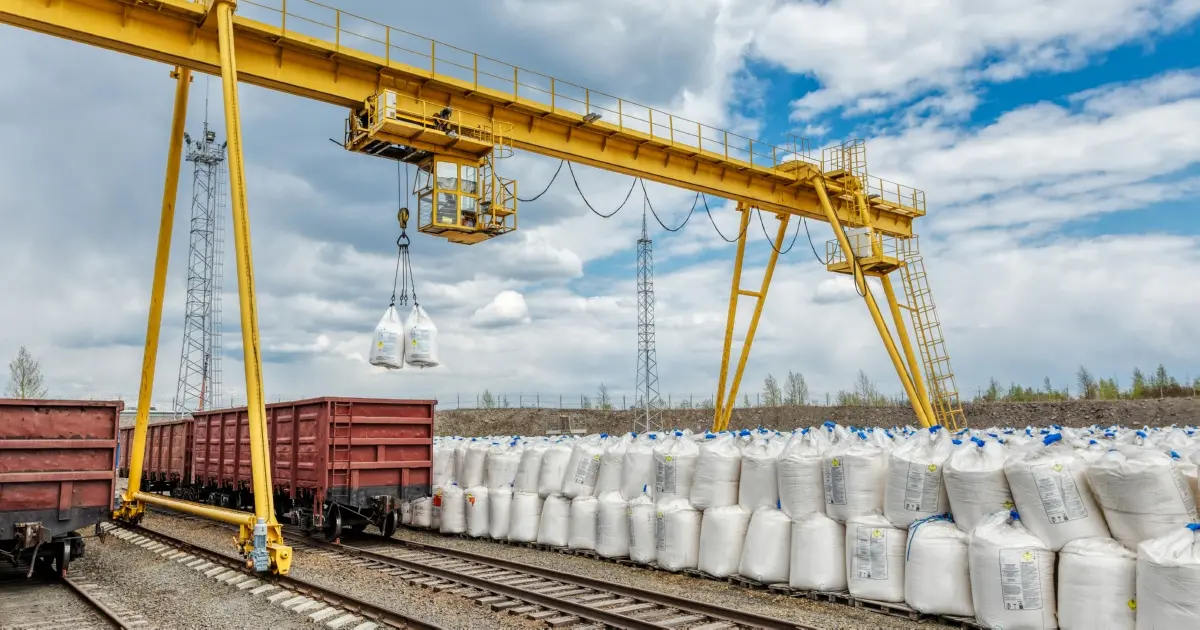
The exceptional durability of polypropylene bags, especially woven pp bags, is one oftheir most valued attributes. This toughness isn’t accidental; it’s a direct result of the material properties of polypropylene and the manufacturing process. Polypropylene itself is a resilient polymer with high tensile strength. When these pp strands are woven tightly together, they create a woven fabric that can withstand significant stress and resist punctures and tears. This is crucial for bulk packaging, where bags might need to hold hundreds or even thousands of kilograms of material.
The weaving process itself contributes significantly to this strength. The interlaced structure of the pp tapes distributes weight and stress evenly across the bag, preventing localized failures. Think of it like a net – many interconnected strands are stronger than one single strand. Additionally, features like reinforced stitching, double-folded bottoms, and the option to include inner liners (like a PE film bag) further enhance their robustness and ability to protect the contents. As a manufacturer, we often conduct rigorous strength tests, such as drop tests and load tests, to ensure our bags are durable enough for demanding applications. This reliability is why industries from agriculture (handling grains and feed) to construction (carrying cement and sand) depend on polypropylene woven bags for safely storing and transporting their valuable commodities. This durable packaging helps prevent product loss and ensures goods arrive at their destination intact.
What Are the Key Applications of PP Woven Bags Across Diverse Industries?
The versatility of pp woven bags means their applications of pp woven are incredibly broad, spanning numerous sectors. In the agriculture industry, they are indispensable. Farmers and agricultural companies use pp bags for packaging everything from grains (rice, wheat, corn), seeds, and animal feed to fertilizers and even fresh produce that requires breathable packaging. Their strength prevents spillage, and they protect contents from moisture and pests, especially when liners are used. We supply a lot of Industrial bulk bags for agriculture for exactly these purposes.
The construction industry is another major user. PP woven bags are perfect for packaging cement, sand, gravel, and other building materials. Their ability to handle heavy, abrasive materials without breaking makes them an ideal choice. In the chemical industry, polypropylene bags are used for powders, granules, and pellets. Specialized bags, like our PP Woven Container For Dangerous Goods Type C Jumbo anti Static Bulk Bag, are designed for safely handling potentially hazardous materials. Mining companies use them for ores and minerals. Beyond these, pp woven bags are used for packaging food products (like sugar, flour, salt), textiles, and even for flood control as sandbags. The list is extensive, highlighting how these bags are used for various packaging needs globally.
Choosing the Right PP Woven Bag: What Factors Should Businesses Like Yours Consider?
Selecting the appropriate pp woven bag for your specific packaging needs is critical for ensuring product safety, cost-effectiveness, and handling efficiency. As a business owner like Mark Thompson, who values both quality and competitive pricing, there are several factors you should carefully evaluate. First and foremost is the type and weight of the product you intend to package. This will determine the required strength (often measured by fabric weight or denier), size, and construction of the polypropylene bag. For very heavy or sharp materials, a higher fabric weight and reinforced construction are essential.
Secondly, consider the handling and transport conditions. Will the bags be used for manual lifting, or will they be handled by forklifts (requiring lift loops, as seen in FIBC jumbo bags)? Are they for single trips or reusable applications? What about storage – will they be exposed to sunlight (requiring UV stabilization) or moisture (requiring lamination or liners)? Thirdly, think about any special features needed. This could include printing for branding, anti-slip coatings for better stacking, easy-open features, or specific types of closures. For food-grade products, ensuring the materials used in the pp woven bag and any liners meet food safety standards is paramount. For instance, our Food Grade Dry Bulk Container Liner For Soybeans addresses such specific needs. Finally, while price is important, it shouldn’t be the only factor. A slightly more expensive but higher-quality pp bag that prevents product loss or damage can be a more cost-effective packaging solution in the long run.
Navigating International Trade: Why Are Certifications and Quality Assurance Vital for PP Woven Bags?
For procurement officers like Mark, sourcing pp woven bags from overseas suppliers like us in China, certifications and robust quality assurance processes are not just desirable – they are essential. These elements provide confidence in the product’s safety, reliability, and compliance with international standards. Key certifications, such as ISO 9001 (for quality management systems) and specific industry certifications (e.g., for food-grade packaging or handling hazardous materials), demonstrate a manufacturer’s commitment to quality and consistency. When purchasing woven polypropylene bags, asking for and verifying these certificates is a crucial due diligence step to avoid issues like the certificate fraud Mark worries about.
At our factory, we take quality assurance very seriously. This starts with sourcing high-quality polypropylene resin and continues through every stage of the manufacturing process of pp woven bags. We conduct regular testing for fabric strength, seam strength, UV resistance (if applicable), and dimensional accuracy. For specialized bags for packaging sensitive goods, such as food or chemicals, we ensure that the materials used comply with relevant safety regulations (e.g., FDA standards for food contact). Providing comprehensive test reports and allowing for third-party inspections can also build trust. Transparent communication about our quality control measures helps alleviate concerns and ensures that the polypropylene bag you receive meets your exact specifications and performs as expected, safeguarding your products and your reputation.
From Our Factory to Your Warehouse: Understanding Logistics and Overcoming Shipment Challenges with PP Woven Bags
Efficient logistics are the lifeblood of international trade, and this is especially true when dealing with bulk orders of packaging products like pp woven bags. Mark’s concern about shipment delays leading to missed production schedules is a common one, and it’s something we, as experienced exporters, work hard to mitigate. The journey of a polypropylene bag from our factory floor in China to a customer’s warehouse in the USA or Europe involves careful planning and coordination. This includes optimizing how the bags are manufactured and packed for shipping (e.g., pressed into bales to save space and reduce freight costs), choosing reliable shipping lines, and managing all necessary export and import documentation.
To minimize delays, clear communication is key. We provide realistic production lead times and keep our customers informed about the status of their orders. Working with experienced freight forwarders who understand the nuances of shipping to destinations like North America and Australia helps us navigate potential bottlenecks. We also offer different shipping options (e.g., FCL – Full Container Load, LCL – Less than Container Load) to suit varying order sizes and urgency. While unforeseen circumstances can sometimes occur in global shipping, having contingency plans and maintaining transparent communication with clients like Mark helps manage expectations and find swift solutions. Ensuring the packaging of food or chemicals in these bags are also protected during transit is a top priority. For large volume shipments, products like our 20FT Dry Bulk Container Liner can be an integral part of the logistics solution, protecting goods within the shipping container itself.
Beyond the Bag: What’s the Future for Polypropylene Woven Packaging Solutions?
The world of packaging is constantly evolving, driven by demands for greater efficiency, sustainability, and performance. Polypropylene woven packaging, including pp woven bags and FIBCs (Flexible Intermediate Bulk Containers), is no exception. I believe the future will see continued innovation in several key areas. Sustainability will remain a major driver. We’re likely to see increased use of recycled polypropylene content in pp fabric, further improvements in recyclability, and designs that minimize material usage without compromising strength. The push for a circular economy will encourage more businesses to adopt reusable bags and invest in closed-loop recycling systems for their polypropylene packaging.
Technological advancements in the manufacturing process will also play a role. This could include smarter looms that produce woven material with even greater consistency and strength, more sophisticated printing techniques for better branding on bags for your bulk packaging, and the integration of features like RFID tags for improved tracking and inventory management. We might also see more specialized types of bags, such as BOPP bags (Biaxially Oriented Polypropylene bags) which offer superior print quality, becoming more common for retail-facing bulk packaging. As a factory dedicated to innovation, we are always exploring new ways to enhance our packaging solution offerings, ensuring that pp woven bags continue to be an ideal choice for businesses worldwide looking for reliable and cost-effective packaging. The demand for robust pp woven bags may even increase as global trade in bulk commodities grows.
Key Takeaways to Remember:
- PP woven bags are made from woven polypropylene tapes, offering exceptional strength and durability for bulk packaging.
- The manufacturing process involves extruding pp tapes, weaving them into fabric, printing (optional), cutting, and stitching. Quality control is vital.
- Woven polypropylene bags are generally stronger and more tear-resistant than non-woven bags, making them better for heavy-duty applications.
- PP woven bags offer eco-friendly packaging benefits through their reusability and the recyclability of polypropylene.
- Key applications span agriculture, construction, chemicals, mining, and food packaging due to their versatility.
- When choosing a pp woven bag, consider product type, weight, handling, transport, special features, and ensure the supplier provides necessary certifications and quality assurance, especially in international trade.
- Logistics and clear communication are crucial for timely delivery of pp woven bags from overseas suppliers.
- The future of polypropylene woven packaging will likely focus on enhanced sustainability, technological advancements, and specialized designs.
Post time: May-22-2025