In the world of global logistics, efficiency is king. For businesses dealing with the transport of granular or powdered materials, optimizing every shipment is crucial for maintaining a competitive edge. This is where the dry bulk container liner comes in—a simple yet transformative innovation. This article will serve as your comprehensive guide to understanding how these liners work, their incredible benefits, and how they can streamline your supply chain. As a manufacturer, I've seen firsthand how switching to a container liner system saves our clients time, money, and headaches. If you're looking to protect your cargo, reduce costs, and improve your operational efficiency, this is a must-read.
What Exactly is a Dry Bulk Container Liner?
Let's start with the basics. A dry bulk container liner, sometimes called a sea bulk liner or simply a container liner, is essentially a large, protective bag fitted inside a standard intermodal container. Think of it as a giant, durable liner that transforms a generic 20ft or 40ft container into a specialized vessel for dry bulk goods. These liners are most commonly manufactured by using materials like woven polypropylene and polyethylene, creating a clean, dry, and hermetically sealed environment for the cargo within.
The primary purpose of a container liner is to create an additional barrier between the product and the interior of the container. This design is brilliant in its simplicity. It protects the dry bulk materials from contaminants like moisture, pests, and residue from previous cargo. At the same time, it protects the container itself from the product, which means the container requires minimal cleaning after use and can be quickly returned to general service. This dual-protection system is what makes the container liner a cornerstone of modern bulk transport.
Understanding dry bulk container liners is the first step to unlocking significant efficiencies. Instead of shipping goods in smaller 1-ton FIBCs (Flexible Intermediate Bulk Containers) or 50kg bags, which require extensive manual labor to load and unload, you can now pour your product directly into the liner-equipped container. The liners are designed to handle a wide range of dry bulk products like resins, grains, coffee beans, sugar, cement, and minerals. This method streamlines the entire logistics process, from factory to final destination.
How Do Container Liners Transform a Standard Shipping Container?
A standard shipping container is a versatile but basic tool. Its metal walls, while strong, are not suitable for direct contact with many types of dry bulk cargo. They can be rough, dirty, and prone to condensation. A container liner fundamentally changes the nature of the container, turning it from a simple box into a clean, safe, and efficient bulk container for a fraction of the cost of a dedicated silo tanker.
The transformation is profound. Once a container liner is installed, it effectively creates a "bag within a box." Liners create a sealed environment that completely isolates the cargo from the container walls. This is crucial for preventing cross-contamination, which is a major concern for industries like food and pharmaceuticals. For example, a container that previously carried machine parts can be safely used to transport food-grade grains, as long as a new, clean container liner is used. Liners act as a barrier, ensuring product purity from origin to destination.
Furthermore, this transformation optimizes the use of container space. When shipping smaller bags, there are always gaps and unused spaces between them. A dry bulk container liner allows you to use the entire internal volume of the container, maximizing the amount of product you can fit into a single shipment. This means you can transport bulk quantities more efficiently, often reducing the total number of containers needed for a large order. The liner turns the container into a single, massive package, simplifying logistics and maximizing payload.
What are the Key Benefits of Using a Bulk Container Liner for Your Cargo?
The benefits of using a bulk container liner are numerous and impact nearly every aspect of the supply chain. For procurement officers and business owners like my typical customer, Mark, these benefits translate directly into a stronger bottom line and more reliable operations. Let's break down the main advantages.
Firstly, there are the significant cost savings. Using bulk container liners allows companies to use standard, readily available shipping containers instead of expensive and often scarce specialized bulk containers or road tankers. This dramatically lowers freight costs. Additionally, the need for additional packaging like pallets, wraps, and smaller bags is eliminated. This not only saves on material costs but also reduces the labor required for packaging and handling.
Secondly, operational efficiency is greatly enhanced. The loading and unloading processes become much faster. Loading can be done via gravity, conveyor belts, or pneumatic systems, filling a 20ft container in a matter of minutes rather than hours. Unloading is equally efficient. This speed reduces labor costs, minimizes vehicle and equipment downtime at ports and warehouses, and accelerates the entire shipping and storage cycle.
Finally, product protection is paramount. Container liners provide an unparalleled level of protection for dry bulk cargo. The sealed environment prevents contamination from external elements and moisture, preserving the quality and integrity of the product during its journey. This reduces the risk of spoilage or damage, ensuring the cargo arrives in perfect condition. For businesses dealing in food products, chemicals, or pharmaceuticals, this benefit alone is often the deciding factor.
Are There Different Types of Container Liners for Various Dry Bulk Shipments?
Absolutely. The world of dry bulk materials is incredibly diverse, and so are the types of container liners designed to transport them. One size does not fit all. As a manufacturer, we work closely with clients to engineer the right liner for their specific product and logistics needs. The liner material, design, and loading/unloading features can all be customized.
Here's a breakdown of some common variations:
| Liner Type | Materials | Common Loading/Unloading Systems | Best For |
|---|---|---|---|
| Standard Woven PP Liner | Woven Polypropylene | Top-loading hatches, mail-box style discharge spouts | Free-flowing granules like plastic resins, grains, malt. |
| PE Film Liner | Polyethylene Film | Zipper loading, specialized spouts | Very fine powders like flour, cement, carbon black, which require a more hermetic seal. |
| Aluminum Foil Liner | Laminated Aluminum/PE | Various custom openings | Ultra-sensitive products requiring a total barrier against moisture, oxygen, and UV light, such as certain chemicals or food ingredients. |
| Fluidizing Liners | PP/PE with integrated air channels | Pneumatic loading and unloading | Products that are difficult to discharge, like pigments or starches. The air helps the product "fluidize" and flow out smoothly. |
Beyond the material, the design of the container liner itself is critical. For instance, some liners are designed with top-loading spouts that align with hatches on the roof of the container, while others have large, zippered openings for loading with conveyor belts from the front. The discharge mechanism is equally important, with options ranging from a simple "fish tail" spout to more complex systems that control the flow rate. Choosing the right liner ensures that the entire process is as efficient and safe as possible. For clients in the US and Europe, we often recommend designs that are compatible with automated systems to minimize labor.
Which Industries Benefit Most from Using Dry Bulk Shipping Liners?
While the applications are broad, several key industries have wholeheartedly adopted dry bulk container liners as a standard for their logistics operations. These are sectors where efficiency, purity, and cost-effectiveness are non-negotiable.
- Agriculture and Food: This is a massive user of container liners. Products like grains, soybeans, coffee beans, cocoa, sugar, flour, and animal feed are shipped in bulk containers globally. Food-grade container liners are essential here, as they ensure that the products are protected from contamination and meet stringent international safety standards. A great example is our Food Grade Dry Bulk Container Liner, specifically designed to maintain the quality of sensitive agricultural products.
- Chemicals: The chemical industry transports a vast array of powders and granules, such as PVC resin, PTA powder, pigments, and fertilizers. Container liners help prevent moisture from clumping the product and protect the environment by containing potentially hazardous dust. For certain materials, anti-static liners are required to prevent electrical discharge during loading and unloading.
- Mining and Minerals: Materials like cement, bentonite clay, sand, and other refined minerals are ideal candidates for dry bulk shipping. The durability of woven polypropylene liners that are made for this industry can withstand the abrasive nature of these products, ensuring a safe and clean transport process.
- Plastics Industry: This sector relies heavily on the transportation of dry bulk plastic pellets and resins (PE, PP, PET). Container liners allow manufacturers to ship raw materials directly to production facilities in large, cost-effective volumes, streamlining their supply chain.
How Do Container Liners Enhance Safety and Prevent Cargo Contamination?
Safety and product integrity are huge concerns for anyone shipping bulk materials. My client Mark, for example, is always asking about quality control. This is where container liners truly shine. They create a closed-loop system that minimizes risk at every stage.
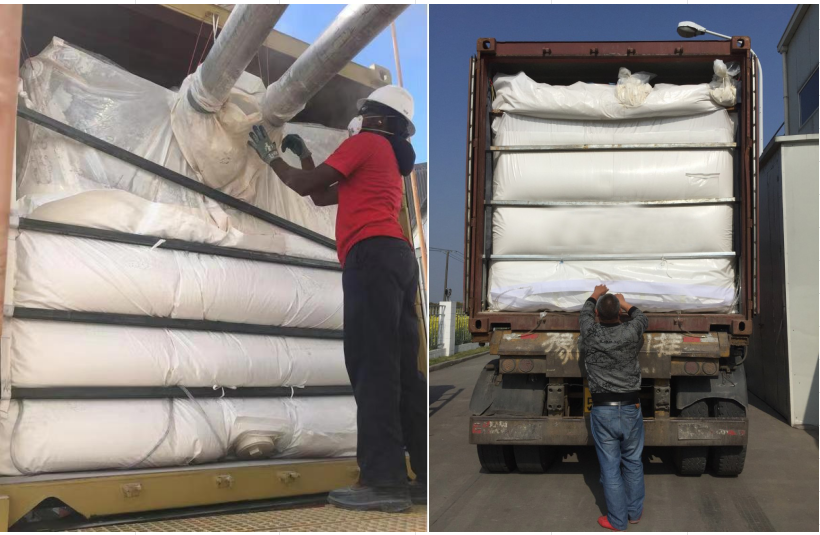
The primary way they prevent contamination is by forming a complete, unbroken barrier. The liner covers the floor and walls of the shipping container, ensuring the cargo never touches a potentially dirty or rusted surface. Sea-land container liners are manufactured in clean-room conditions, especially food-grade and pharmaceutical-grade liners, to guarantee they are free of contaminants before they are even installed. This is critical for meeting international food safety and chemical handling regulations.
Moreover, liners also significantly reduce airborne dust during the load and unload phases. When you pour powders like cement or carbon black, the dust can be a health hazard for workers and an environmental concern. Because the product is loaded and discharged through contained spouts and hatches directly into the container liner, dust generation is kept to a minimum. This creates a safer working environment and prevents product loss. It also means less cleanup at the loading and receiving facilities, which is another operational saving.
Can Using Bulk Container Liners Really Reduce My Shipping and Storage Costs?
This is the question every procurement officer wants answered, and the answer is an emphatic yes. The cost-effectiveness of dry bulk container liners is one of their most compelling features. Let’s look at a practical comparison.
Imagine a company needs to ship 20 metric tons of plastic resin.
- Traditional Method: They would pack it into 20 individual 1-ton FIBC jumbo bags. This requires purchasing 20 FIBCs, 20 pallets, and paying for the labor to fill each bag, move it with a forklift, and carefully load it into the container.
- Container Liner Method: They install one container liner inside a standard container. The resin is then loaded directly into the liner.
The savings are immediate and substantial:
| Cost Factor | Traditional (FIBCs) | Container Liner | Savings |
|---|---|---|---|
| Packaging Materials | High (20 bags + 20 pallets) | Low (1 liner) | Significant |
| Labor (Loading) | High (Hours of forklift/manual work) | Low (Automated/fast process) | Significant |
| Labor (Unloading) | High (Hours to empty 20 bags) | Low (Direct discharge) | Significant |
| Freight Optimization | Good (but some wasted space) | Excellent (full container volume) | Moderate |
| Container Cleaning | Moderate (risk of spills/residue) | Minimal (liner contains everything) | Moderate |
By using a bulk container liner, you eliminate the need for intermediate packaging. This not only reduces direct costs but also simplifies your entire logistics flow. You are handling one large unit instead of dozens or hundreds of smaller ones. This efficiency gain is a powerful driver for profitability, especially for businesses like Mark's that operate on volume. The benefits of using dry bulk liners are not just theoretical; they are real, measurable savings.
What Should I Look for When Choosing a Container Liner Supplier?
Choosing the right supplier is just as important as choosing the right liner. This is a pain point for many buyers who have dealt with communication breakdowns or quality issues. As a factory representative, I can tell you what separates a reliable partner from a risky one.
First, look for expertise and a willingness to communicate. A good supplier won't just sell you a product; they will act as a consultant. They should ask detailed questions about your product, your loading/unloading facilities, and your shipping routes. This ensures you get a customized PP Woven PE Bulk Container Liners solution that works perfectly. Inefficient communication is a huge red flag. Your contact should be knowledgeable and responsive.
Second, demand verifiable certifications. Don't just take their word for it. Ask for copies of their ISO 9001 (Quality Management), ISO 22000 (Food Safety), or other relevant certifications. A trustworthy manufacturer will provide these without hesitation. Certificate fraud is a real problem, so it's wise to be diligent. At our facility, we welcome client audits and provide full transparency because we stand by our quality.
Third, inquire about their quality control process. How do they test their liners? Do they check seam strength, material durability, and cleanliness? A robust quality inspection process is crucial to prevent failures during transport. Finally, discuss logistics and payment terms openly. A reliable partner will provide clear production timelines, help coordinate the shipment, and offer secure payment methods. Building a long-term relationship with a supplier you trust is the key to a smooth and reliable supply chain.
What is the Process of Installing and Using a Dry Bulk Container Liner?
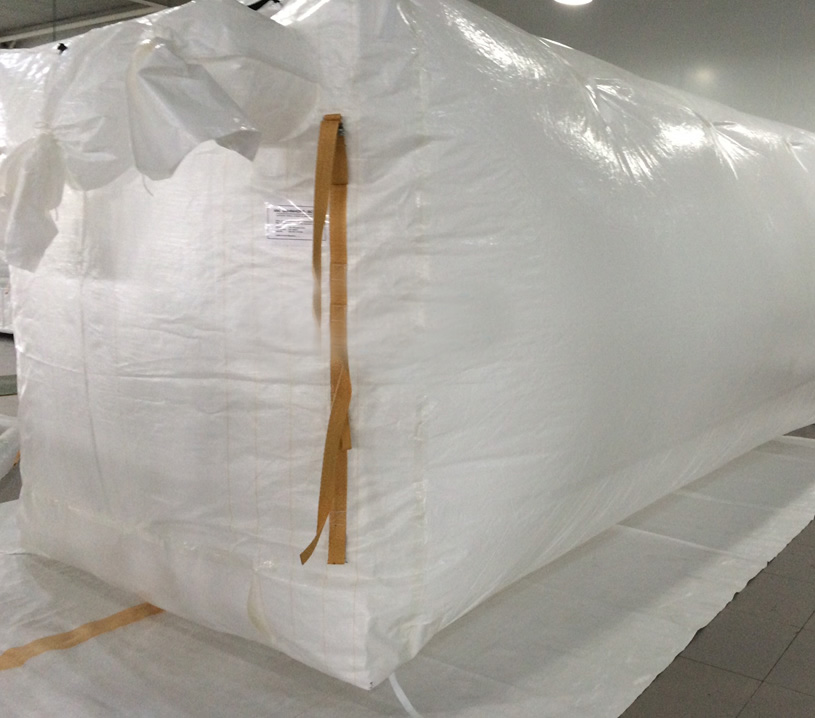
One of the perceived hurdles for new users is the installation process, but it's surprisingly straightforward and can typically be done by two people in about 10-15 minutes. While specific steps can vary based on the liner and container type, here is a general overview:
- Inspect the Container: Before anything else, ensure the container is clean, dry, and free of any sharp objects, nails, or splinters that could puncture the container liner. Sweep it out thoroughly.
- Unpack the Liner: Lay the folded container liner on the floor of the container near the doors. Unfold it carefully towards the front of the container.
- Attach the Front End: The front end of the liner (opposite the doors) has attachment points. Secure these to the lashing rings at the top corners of the container.
- Suspend the Liner Body: Unfurl the liner down the length of the container. Use integrated straps or hooks to attach the sides of the liner to the top lashing rings along the length of the sea container. The liner should hang like a curtain, covering the walls.
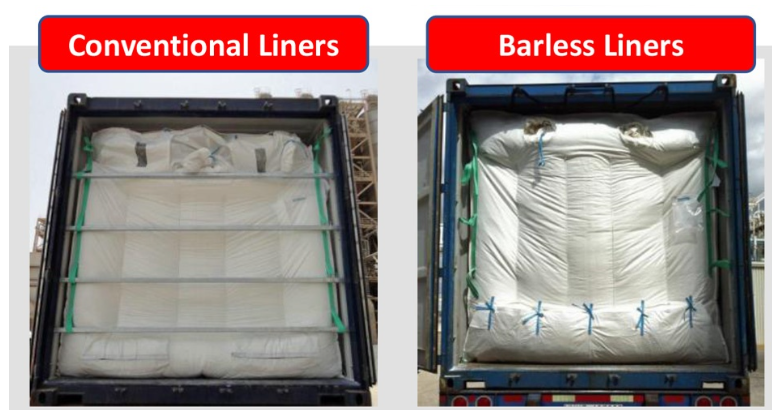
- Secure the Rear Bulkhead: The door-end of the liner has a rigid bulkhead, often with steel bars, that braces against the container frame. This provides support during loading and prevents the cargo from pushing against the doors. Secure this firmly in place.
- Load the Cargo: With the liner installed, the container is ready for loading. This is done through the designated loading sleeves or zippers.
- Seal and Ship: Once loaded, seal the loading sleeves to make the container liner airtight, close the container doors, and your dry bulk cargo is ready for its journey.
The simplicity of this process means that no special tools or highly skilled labor are required, making it easy to adopt this system anywhere in the world.
The Future of Bulk Shipping: Why Container Liners Are a Sustainable Choice
In today's world, sustainability is a growing concern for businesses and consumers alike. The use of container liners offers significant environmental benefits, positioning them as a smart choice for the future of bulk shipping.
The most significant advantage is the reduction in packaging waste. By using one container liner to ship 20 tons of product, you eliminate the need for hundreds or thousands of small sacks, or dozens of FIBCs and pallets. Many container liners are also recyclable, particularly those made from pure PE or PP, which can be reprocessed into other plastic products. This aligns with the principles of a circular economy.
Furthermore, the efficiency of bulk container liners reduces the overall carbon footprint of the transportation of dry bulk. By maximizing the cargo weight in each container, you reduce the total number of shipments needed. Fewer trucks on the road and fewer containers on ships translate to lower fuel consumption and emissions per ton of product shipped. This efficiency, combined with waste reduction, makes the container liner an environmentally responsible choice for modern logistics.
Key Takeaways
To wrap up, let's summarize the most important points about leveraging dry bulk container liners for your business:
- Transformative Technology: A container liner turns any standard container into a safe, clean, and efficient vehicle for dry bulk transport.
- Major Cost Reductions: You save money on packaging materials, labor, freight costs, and cleaning fees.
- Enhanced Product Protection: Liners create a sealed barrier that protects your cargo from contamination and moisture, ensuring product quality.
- Increased Operational Efficiency: The processes to load and unload are significantly faster, speeding up your entire supply chain.
- Versatility: There are many types of container liners, and they can be customized for a wide range of products and industries, from agriculture to chemicals.
- Sustainability: By reducing packaging waste and improving shipping efficiency, container liners are an environmentally friendly choice.
- Supplier is Key: Partnering with an expert, transparent, and quality-focused manufacturer is crucial for success.
Post time: Sep-04-2025