For a procurement officer, a bag is never just a bag. It is the final shield protecting your valuable product—whether it's fertilizer, animal feed, or construction materials—from the chaos of the supply chain. When you import containers of goods, you are essentially betting your profit margin on the integrity of the packaging. That is why understanding the pp woven bag manufacturing process is not just technical trivia; it is a business necessity.
As a factory owner operating seven production lines, I have seen thousands of tons of polypropylene resin transform into millions of durable sacks. I know that the difference between a bag that bursts and one that survives lies in the details of the manufacturing process. From the quality of the weave to the precision of the coating, every step counts.
In this guide, we will walk through the entire woven bags manufacturing process. We will explore how polypropylene becomes a woven bag, how bopp lamination adds value to your brand, and how customization can solve your specific logistics headaches.
What Starts the Journey? Material Selection and the Extrusion of PP Resin
The life of every pp woven bag begins in the mixing room. The primary ingredient is polypropylene resin, a thermoplastic polymer known for its incredible toughness. However, we rarely use raw pp resin alone. Depending on the client's needs, we add specific ingredients:
- UV Stabilizers: To protect the woven fabric from sunlight degradation during outside storage.
- Calcium Carbonate: To modify the physical properties and whiteness of the tape.
- Color Masterbatches: To give the bag its base color.
Once mixed, this blend goes into the extrusion machine. This is a critical phase in the manufacturing process. The mixture is heated until it melts and is forced through a flat die, creating a solid sheet of plastic. This sheet is then sliced into thin strips or tapes.
These tapes are heated and stretched. This stretching aligns the molecules of the polypropylene, significantly increasing their tensile strength. These tapes are wound onto bobbins, ready for the weaving process. If the extrusion is flawed, the weave will be weak. It is that simple. Quality control starts here, ensuring the raw material is perfect before a single thread is woven.
How Do We Create the Strength? The Weaving Process Explained
Now, we enter the heart of the factory: the weaving hall. This is where the pp tapes become woven fabric. We use large circular looms for this task. The bobbins from the extrusion line are loaded onto the loom.
The manufacturing process here involves interlacing the tapes in two directions:
- Warp: The tapes running vertically.
- Weft: The tapes running horizontally.
The machine weaves these tapes over and under each other in a tight, crisscross pattern. This woven structure is what gives pp woven bags their legendary capabilities. The weave distributes weight and stress evenly across the fabric. Unlike simple plastic film, a woven bag resists tearing because the weave acts as a net, catching and stopping punctures from spreading.
The tightness of the weave (measured in mesh) determines the density and strength of the bag. For heavy loads, we use a tighter weave. For breathable bags (like those for potatoes), we might use a looser weave. This woven polypropylene tube is continuously produced and wound into massive rolls, ready for the next stage.
Why is Coating and Lamination Crucial for Moisture Resistance?
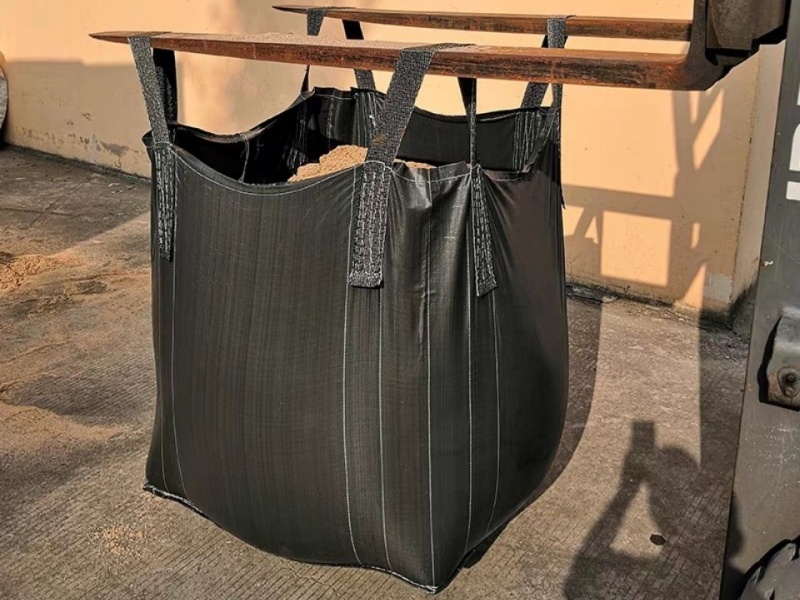
A standard woven bag has tiny gaps between the weaves. While this makes the bag breathable, it also means it is not waterproof. For products like fertilizer, pet food, or fine chemicals, moisture is the enemy. This is where the coating stage of the manufacturing process comes in.
To provide moisture resistance, we pass the woven fabric through a lamination machine. Here, a thin layer of molten PE (polyethylene) or PP is applied to the surface of the woven fabric. This coating bonds to the weave, sealing the microscopic gaps.
This process creates a packaging solution that offers superior moisture resistance. It prevents water from getting in and dust from getting out. For clients requiring absolute protection, we might insert a separate PE liner inside the woven bag. However, a coated pp woven bag is often sufficient for many agricultural and industrial applications, offering a balance between moisture protection and cost.
How Does BOPP Lamination Elevate Your Brand on Woven Bags?
In the retail world, appearance is everything. A plain white woven sack is fine for construction waste, but for pet food or high-end retail rice, you need your brand to shine. This is where BOPP (Biaxially Oriented Polypropylene) comes into play.
A bopp woven bag is a premium product. The manufacturing process involves an extra step:
- We print your high-resolution artwork (including your logo, product details, and photos) onto a specialized BOPP film. This allows for photographic quality that isn't possible with direct printing on woven fabric.
- This printed BOPP film is then laminated onto the woven polypropylene fabric using an adhesive layer.
The result is a bag that has the structural strength of a woven bag but the visual appeal of a glossy poster. BOPP woven bags provide excellent shelf appeal and are scratch-resistant. The film also adds another layer of durability and moisture resistance. If you walk into a pet store or a feed supply shop, the attractive bags you see are almost certainly bopp woven bags.
How Are the Bags Finally Constructed and Customized?
Once the woven fabric is printed and coated, it is time to turn the rolls into actual bags. This is the conversion stage of the woven bags manufacturing process.
- Cutting: The continuous roll of woven fabric is cut into individual tubes based on the required length.
- Sewing: The bottom of the bag is folded and sewn shut. We use strong industrial stitching to ensuring the bottom can hold heavy loads without failure.
- Top Finishing: The top might be hemmed, heat-cut (to prevent fraying of the weave), or fitted with a valve for easy filling.
- Liner Insertion: If the client needs a PE liner for extra moisture protection, it is inserted and sewn or glued into place at this stage.
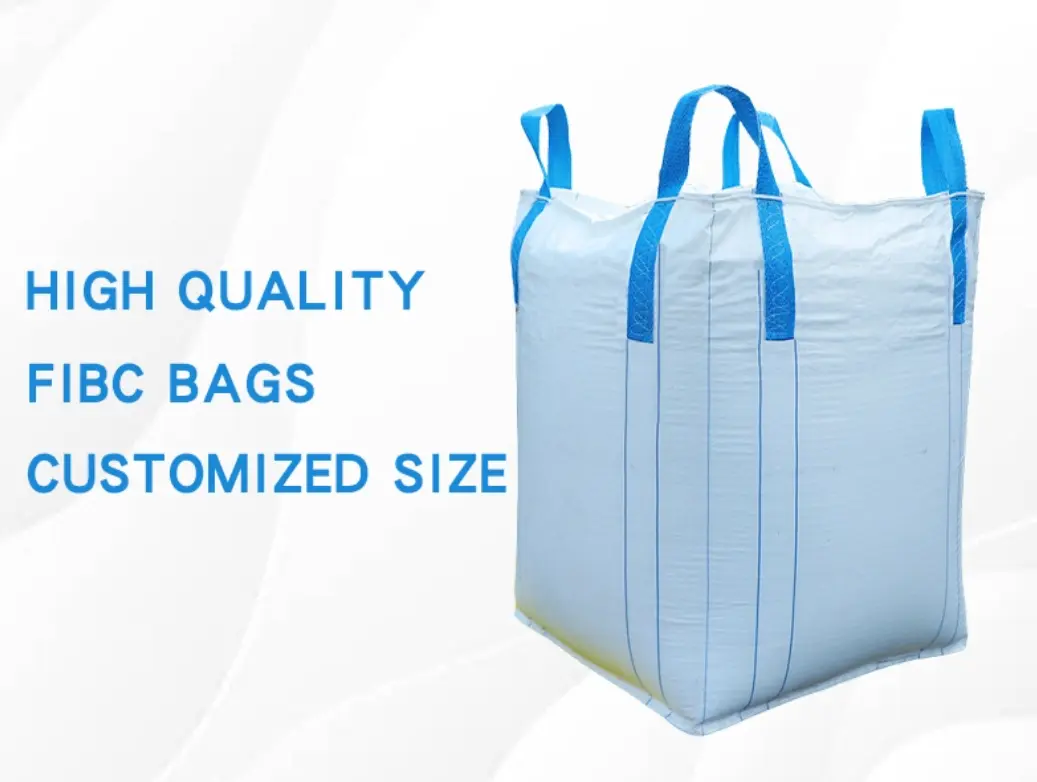
Customization is key here. We can produce various sizes, add gussets for better shape, attach document pouches, or add lifting handles. Whether you need a small sack for 25kg of flour or a massive 1-ton jumbo big bag, the fundamental weave technology is the same, but the construction is tailored to your needs.
What Ensures the Quality of PP Woven Bags in Mass Production?
For a buyer like Mark, the nightmare scenario is a bag splitting open in transit. That is why quality control is the backbone of our pp woven bag manufacturing. We follow strict ISO standards to ensure consistency.
Our QC team intervenes at multiple points:
- Tape Testing: We test the tensile strength of the individual tapes before they enter the loom.
- Fabric Testing: We check the weave density and fabric weight (GSM) to ensure it meets the material selection criteria.
- Load Testing: We take random finished bags and subject them to a rig test. We fill them and pull them until they break to verify they meet the safety factor rating (e.g., 5:1).
- Drop Testing: We fill bags and drop them from specific heights to test the impact strength of the weave and the seams.
Rigorous quality control ensures that every woven bag leaving our factory is safe for storing and transporting your goods. We don't just guess; we verify.
Why Are Polypropylene Woven Bags the Preferred Solution for Heavy Loads?
Why do industries ranging from mining to agriculture rely on pp woven bags? It comes down to the physics of the weave.
Polypropylene woven bags have an incredible strength-to-weight ratio. A bag weighing only a few hundred grams can safely hold 1,000 kg or more. This is because the weaving process interlocks the tapes, distributing the stress. When you lift a woven bag, the force isn't taken by a single sheet of plastic; it's shared across thousands of interlaced tapes.
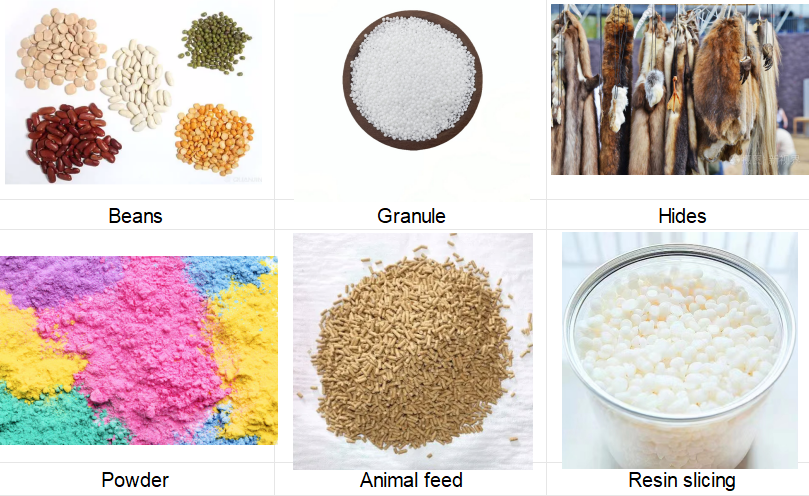
Furthermore, pp is chemically inert. It resists rot, bacteria, and most acids. This makes woven sacks ideal for fertilizer and chemicals that might degrade other packaging materials. Whether you are shipping sand, sugar, or cement, the woven structure provides the security you need for heavy loads.
How Does the Weave Density Impact Durability?
You will often hear the term "mesh" or "denier" when discussing woven bags. This refers to the weave density.
- Loose Weave: Used for products that need to breathe (firewood, onions). Lower cost, lower strength.
- Tight Weave: Used for fine powders (sugar, flour) and heavy minerals. Higher strength, better containment.
The durability of woven bags is directly linked to this density. A tighter weave means more polypropylene per square inch, which translates to higher puncture resistance and tensile strength. When we design a packaging solution, we calculate the optimal weave to balance cost and durability. For dangerous goods packaging, for example, a high-density, consistent weave is non-negotiable to prevent leakage and static buildup.
Are PP Woven Bags Environmentally Friendly and Recyclable?
Sustainability is a growing concern in the packaging industry. Fortunately, polypropylene woven bags are a responsible choice.
- Reusable: Because of their high durability, woven bags can often be reused multiple times, reducing the overall waste footprint.
- Recyclable: PP is a fully recyclable material. End-of-life bags can be collected, shredded, melted down, and turned into recycled pp pellets. These pellets can then be used to make new plastic woven products, pallets, or other polypropylene products.
We are also seeing innovations in using recycled pp in the manufacturing process itself, creating a circular economy for woven sacks. Using pp woven bags aligns with environmentally conscious business practices.
What Should You Look for in a Woven Bag Manufacturer?
Choosing the right supplier is as important as choosing the right bag. As a woven bag manufacturer, I advise you to look for the following:
- Transparency: Can they explain their manufacturing process clearly? Do they let you inspect the extrusion and weaving lines?
- Certifications: Do they have ISO certification? Do their bags meet global standards for safety?
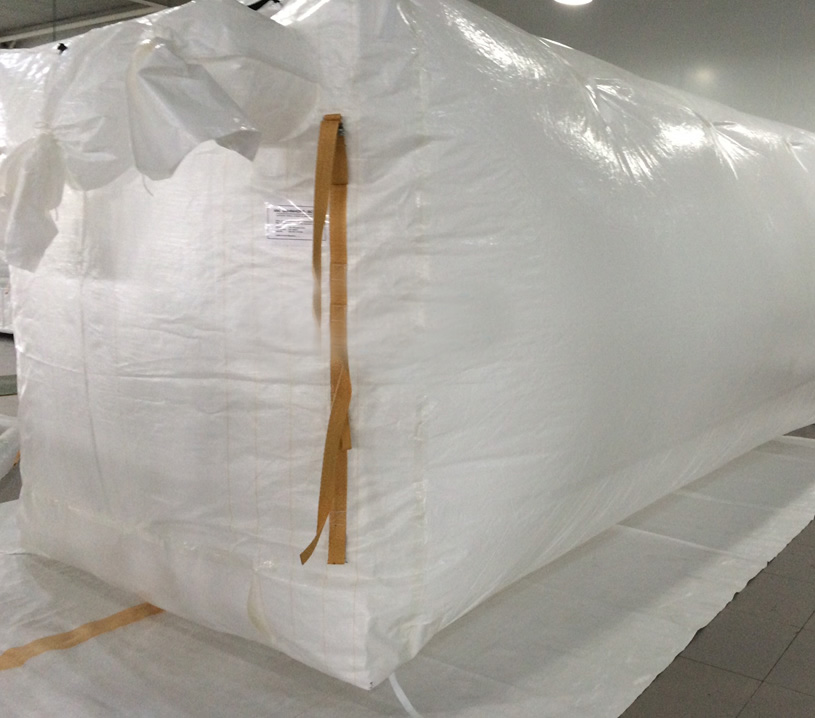
- Customization: Can they offer bopp, coating, and specific liner options? Can they handle food-grade container liners if you need them?
- Communication: Do they understand your market's needs?
Quality pp woven bags are the result of a partnership between a knowledgeable buyer and a capable manufacturer. Don't settle for less.
Summary: Key Takeaways on Woven Bag Manufacturing
- The Weave Matters: The strength of a pp woven bag comes from the precise weaving process of interlacing pp tapes.
- Extrusion is Critical: High-quality polypropylene resin must be properly extruded and stretched to create strong tapes before weaving.
- Moisture Protection: Coating and lamination are essential steps to provide moisture resistance for sensitive products like fertilizer.
- Brand Power: BOPP woven bags utilize a printed film laminated to the woven fabric for superior, photo-quality branding.
- Durability: The woven structure prevents tears and supports heavy loads, making it the standard for industrial packaging.
- Customization: From liners to bopp prints, the manufacturing process is highly flexible to meet specific needs.
By understanding the woven bags manufacturing process, you can make smarter purchasing decisions, ensuring your products arrive safely and your brand looks its best. Whether you need standard pp bags or specialized container liners, the secret to quality is always in the weave.
Post time: Dec-09-2025