In the vast ecosystem of global logistics, one item stands out for its sheer ubiquity and reliability: the pp woven bag. Whether you are moving grain in the Midwest, cement in Southeast Asia, or chemical powders in Europe, these bags are the backbone of the supply chain. For procurement officers and business owners, understanding the manufacturing process of pp woven bags is not just a technical curiosity; it is a strategic necessity. Knowing how a sack is made helps you identify quality, negotiate better prices, and ensure that your packaging solution will not fail when it matters most.
This article takes a deep dive into the process of pp woven bags, from the melting of raw polypropylene to the final stitching. We will explore the different types of pp woven bags, such as laminated woven and bopp bags, and explain why this type of bag is the preferred choice for industries worldwide.
What Exactly is a PP Woven Bag and Why is Polypropylene Used?
To understand the bag, we must first understand the material. Polypropylene (PP) is a thermoplastic polymer known for its incredible combination of lightness and strength. A pp woven bag is essentially a sack made from strips or tapes of this plastic that have been woven together in two directions (warp and weft) to create a woven fabric.
The use of pp in this packaging format is deliberate. The melting point of pp is relatively high, making it resistant to heat and friction. Furthermore, the woven structure provides inherent strength that a simple plastic film cannot match. Polypropylene woven bags are breathable, durable, and resistant to many chemicals, making them the ideal packaging solution for everything from agriculture to construction. When we talk about woven pp bags, we are talking about a product engineered to withstand significant stress.
Step 1: How Does the Production Process Begin with Raw Materials?
The manufacturing process begins in the mixing room. The primary ingredient is polypropylene resin, often delivered in the form of pp pellets. For a pp woven bags manufacturer, the quality of this pp resin is non-negotiable. If the resin is contaminated or recycled improperly, the final pp woven bag will lack tensile strength.
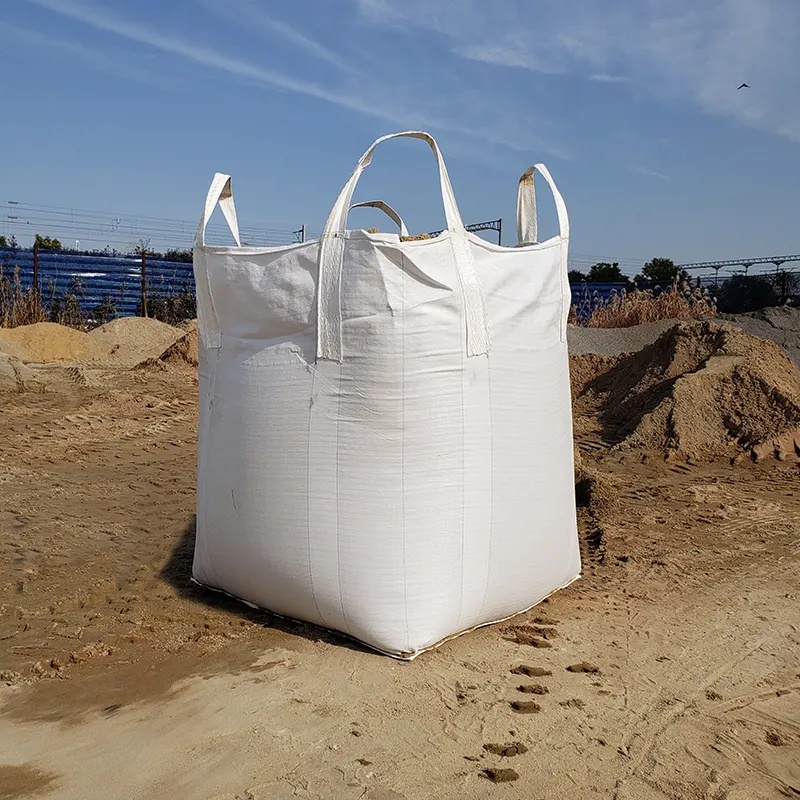
At this stage, various additives are mixed with the polypropylene. These might include UV stabilizers (essential if the bags are used outdoors), calcium carbonate (to adjust the physical properties and cost), and color masterbatches to give the pp bag its specific hue. The precise "recipe" of polypropylene resin and additives is determined by the specific applications of pp woven bags intended for the final product. For instance, bulk bags carrying 1000kg require a different formulation than small shopping bags.
Step 2: Extrusion and Tape Making – Creating the Foundation of the Sack
Once the raw materials are mixed, they enter the extrusion phase. This is a critical step in the woven bags manufacturing process. The mixture is heated to a specific temperature, melting the pp pellets into a liquid state. This molten plastic is then extruded through a flat die to form a solid sheet of plastic.
While the sheet is still warm, it is sliced by sharp blades into thin, flat strips, known as pp strips or tapes. These pp tape strands are then stretched. This stretching process aligns the polymer molecules, significantly increasing the tensile strength of the tape. These stretched tapes are then wound onto bobbins. These bobbins of pp tape serve as the "yarn" for the weaving process. The consistency of these tapes determines the uniformity of the final woven fabric.
Step 3: The Weaving Process – How are Tapes Woven into Fabric?
The heart of the manufacturing process is the weaving. The bobbins are loaded onto circular looms. If you visit a pp woven bag supplier, this is the noisy, bustling center of the factory. Here, the tapes are woven together.
The circular loom interlaces the tapes in a crisscross pattern—warp and weft—creating a tubular pp woven fabric. The tightness of this weave (mesh) determines the density and strength of the sack. A manufacturer of woven fabric can adjust the loom settings to create looser weaves for breathable vegetable bags or tighter weaves for grains and sugar. The result is a continuous tube of woven polypropylene fabric, which is wound into massive rolls. This woven structure is what makes pp woven bags so resilient against punctures and tears compared to paper or film bags.
Step 4: Lamination and Coating – What Makes a Laminated PP Woven Bag?
For many applications, a simple woven sack is not enough. If the contents are sensitive to moisture (like fertilizer or sugar) or are fine powders that could sift through the weave, the fabric needs to be sealed. This is where the laminated pp woven bag comes in.
In this stage of the production process, a thin layer of molten plastic (usually a mix of PP and PE) is applied to the surface of the woven fabric. This layer of pp bonds instantly with the fabric. A laminated pp woven bag offers excellent moisture resistance and a smoother surface for printing. Laminated bags are stiffer and more robust. This coating process transforms a standard woven sack into a hermetically sealed packaging solution. This is also the stage where BOPP laminated bags are created, by bonding a printed film to the fabric.
What are the Different Types of PP Woven Bags Available?
The versatility of the manufacturing process of pp woven goods allows for a wide variety of bag types. Understanding these types of pp woven bags helps buyers select the right product.
- Standard PP Woven Sacks: Uncoated, breathable, and strong. PP woven sacks are used for animal feed, coal, and sand.
- Laminated PP Woven Bags: Coated for moisture resistance. Used for chemicals and fertilizers.
- BOPP Bags: These feature a layer of Biaxially Oriented Polypropylene film laminated to the bag. Bopp bags allow for high-quality, photographic printing, making them excellent for retail packaging where branding is crucial, such as pet food or rice.
- Block Bottom Bags: Also known as AD*STAR bags, these are made without adhesives using hot air welding. They form a brick shape when filled, making them ideal for automated filling lines and palletization.
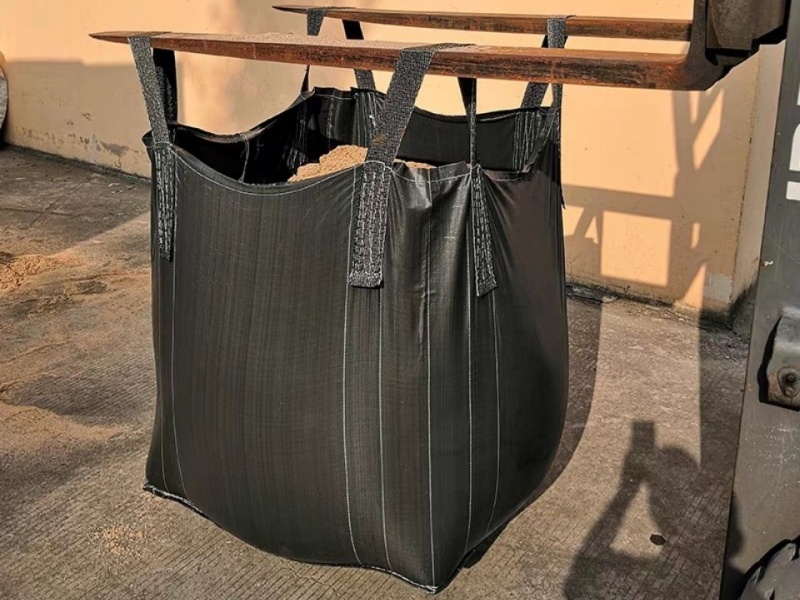
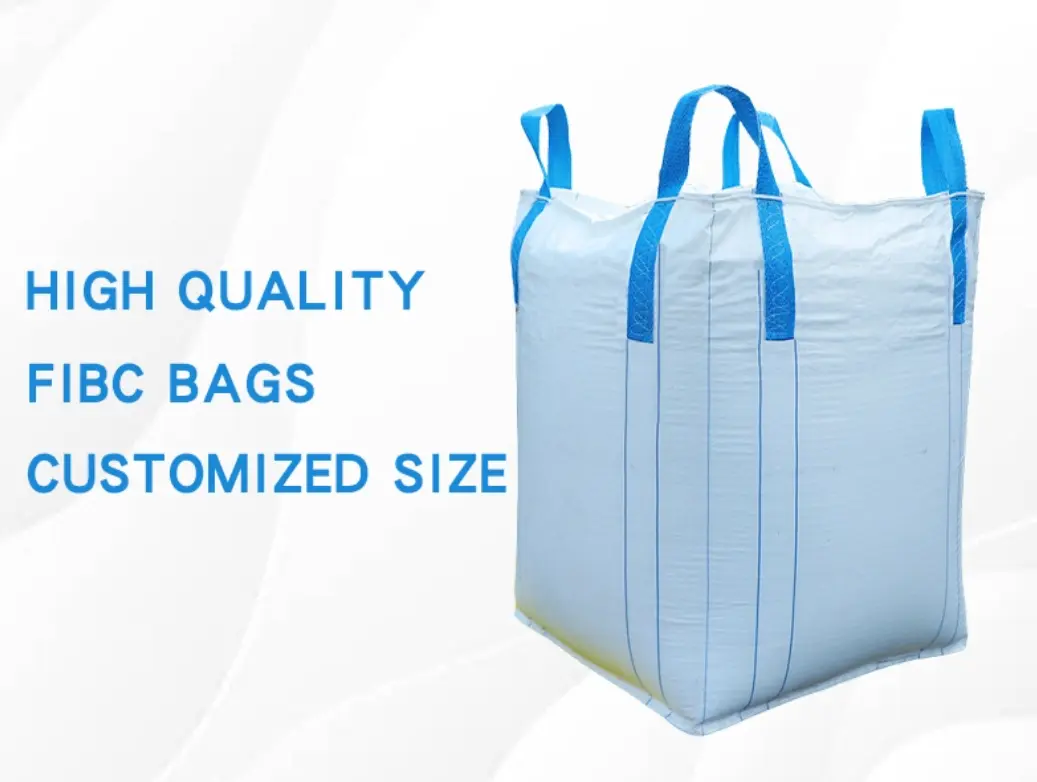
- Bulk Bags (FIBCs): Large industrial bulk bags capable of holding a ton or more.
How are Bags Printed, Cut, and Stitched into the Final Product?
Once the fabric is woven and potentially laminated, it moves to the conversion line. This is where the roll of fabric becomes a bag.
- Printing: If the bags are not bopp laminated bags (which are pre-printed), the woven fabric roll is fed into a flexographic printing machine. Here, logos and product information are stamped directly onto the fabric.
- Cutting: The tubular fabric is cut to the desired length. For pp woven bags, accuracy here ensures the volume capacity is correct.
- Stitching: The bottom of the cut tube is folded and sewn to create the base of the sack. If the bag requires a top hem or a liner, those are added now. The strength of the bottom stitch is critical; high-quality pp woven bags use strong, industrial thread to ensure the bottom never drops out under load. The fabric is literally stitched into bags at high speed.
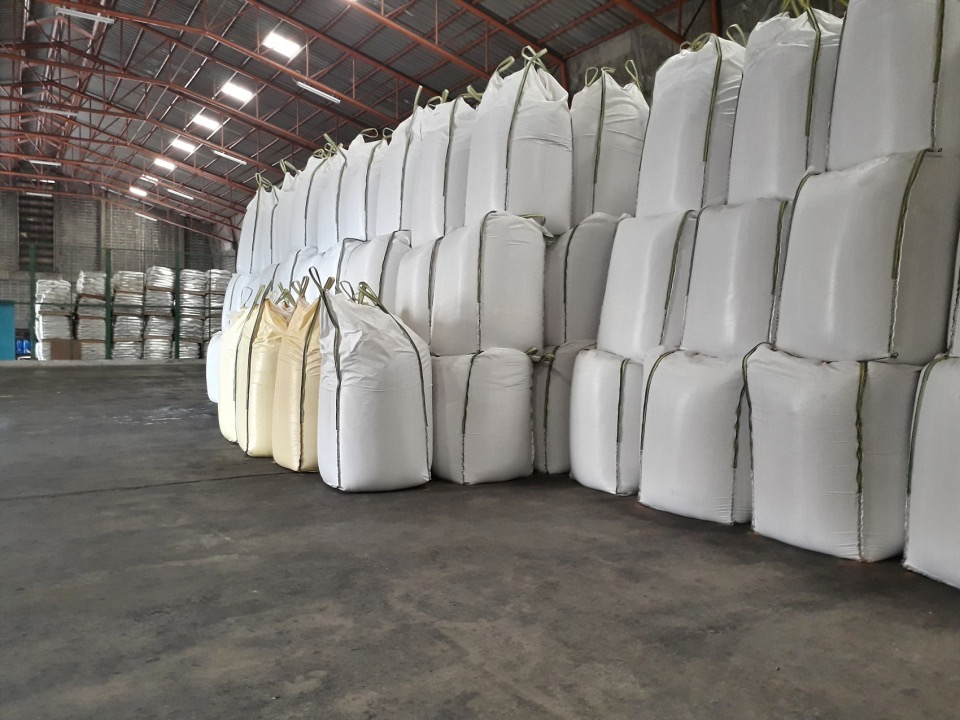
Finally, the bags are manufactured and bundled into bales, ready for shipment.
What are the Key Applications of PP Woven Bags in Industry?
PP woven bags are used in almost every sector of the economy. Their adaptability is unmatched.
- Agriculture: Bags are commonly used for grains, pulses, seeds, and sugar. The breathability of unlaminated pp woven sacks prevents spoilage.
- Construction: Bags are designed to hold cement, sand, metal parts, and concrete. PP woven sling pallet bags are particularly popular for cement distribution.
- Chemicals: Laminated woven bags are essential for fertilizers and resin pellets to prevent moisture ingress.
- Flood Control: The humble sandbag is a pp woven bag. Bags made for this purpose usually have UV stabilizers added.
- Retail: Shopping bags made from woven polypropylene are reusable and durable, replacing single-use plastics.
The wide use of pp woven bags is a testament to the efficiency of their manufacturing process.
Why is Finding the Right PP Woven Bags Manufacturer Critical for Your Business?
For a buyer like Mark, sourcing from a reliable pp woven bag supplier is the difference between a smooth supply chain and a logistical nightmare. Since the manufacturing process involves several steps—extrusion, weaving, lamination, printing—errors can occur at any stage.
A reputable pp woven bags manufacturer will have rigorous quality control. They will test the tensile strength of the pp tape, the burst strength of the woven fabric, and the load capacity of the final sack. They ensure that the polypropylene resin used is pure and that the lamination is even. Whether you are buying packaging bags for dangerous goods or simple grain sacks, the integrity of the manufacturing process dictates safety.
Are PP Woven Bags Eco-Friendly and Reusable?
Sustainability is a growing concern in packaging. Fortunately, polypropylene woven bags are highly sustainable when managed correctly. Bags are durable and reusable. A high-quality pp bag can be used multiple times before it wears out, which is why reusable pp bags are gaining traction.
Furthermore, polypropylene is 100% recyclable. Recycled pp can be processed back into pellets and used to create new plastic products, though typically not for high-stress applications like new bulk bags due to slight strength degradation. However, the industry is moving towards circularity, and the use of pp is viewed favorably compared to single-use plastics.
Conclusion: The Value of Quality Manufacturing
The process of pp woven bags manufacturing is a blend of chemistry, engineering, and precision. From the initial extrusion of pp strips to the moment they are stitched into bags, every step influences the final quality. PP woven bags provide a packaging solution that is robust, cost-effective, and versatile.
Whether you need laminated pp woven bags for moisture protection or bopp bags for shelf appeal, understanding how these bags are manufactured empowers you to make better purchasing decisions. As a factory owner, I see the result of this process every day: versatile bags that keep the world's goods moving safely.
Key Takeaways
- Raw Material Matters: High-quality polypropylene resin is the foundation of a strong pp woven bag.
- The Power of the Weave: The weaving process creates a woven structure that offers high tensile strength and tear resistance.
- Customization: The manufacturing process allows for various types, including laminated woven, block bottom, and BOPP bags.
- Durability: Bags are durable and often reusable, making them a cost-effective choice for packaging.
- Versatility: PP woven bags are used across agriculture, construction, and retail due to their adaptable nature.
- Sustainability: Polypropylene is recyclable, and the reusability of woven pp bags supports eco-friendly initiatives.
Post time: Dec-30-2025