I run a factory in China with 7 production lines specializing in Big Bags and Liners. For years, we’ve been supplying high-quality packaging solutions to companies across the USA, North America, Europe, and Australia. If you’re in the food industry, agriculture, or even the pet food industry, you know how vital safe and efficient packaging is. This article dives deep into Food Grade FIBC (Flexible Intermediate Bulk Container) bulk bags, explaining why they are a game-changer for businesses handling food products. We’ll explore the advantages of using FIBC bulk bags, how to choose the right FIBC, and what makes a bulk bag supplier trustworthy. Understanding these points can save you time, money, and ensure your products maintain their quality from your facility to your customer.
What Exactly Are Food Grade FIBC Bulk Bags and Why Are They Special?
You’ve probably heard the terms bulk bag, jumbo bag, or FIBC. But what makes a Food Grade FIBC bulk bag different? It’s all about safety and suitability for items people or animals will eat. A Food Grade FIBC is a flexible intermediate bulk container specifically designed and manufactured to safely store and transport food products and ingredients. These aren’t just any big bags; they are made under strict hygiene conditions using materials that are approved for direct contact with food items. Think of them as super-sized, super-safe lunchboxes for large quantities of food!
The "special" part comes from several factors. Firstly, the raw materials, primarily virgin polypropylene, must meet stringent food grade standards. This means no recycled materials that could introduce contaminants. Secondly, the manufacturing environment itself must be clean and controlled to prevent any contamination. This includes pest control, staff hygiene protocols, and even specialized air filtration systems in some cases. As a bulk bag supplier with years of experience, we at our factory understand that these aren’t just optional extras; they are fundamental to producing a true food grade bulk bag. Our clients, many like Mark Thompson from the USA, rely on this commitment to quality.
Furthermore, food grade FIBC bags often undergo rigorous testing procedures to ensure they meet international safety standards. This can include migration testing (to ensure no harmful substances from the packaging leach into the food) and checks for overall strength and durability, ensuring the safe working load is accurate. These bags are made to protect sensitive food products from contamination, moisture and oxygen, ensuring they arrive at their destination in perfect condition. The construction might also feature special liner options to provide an additional barrier.
How Do Food Grade FIBCs Benefit the Food Industry, Including Pet Food?
The food industry, and increasingly the pet food industry, reaps enormous benefits from using food grade FIBCs. One of the primary advantages is product integrity. When you’re dealing with ingredients like grains, sugar, flour, starches, or even finished pet food kibble, contamination is a huge concern. Food grade bulk bags are designed to minimize this risk. Their sealed construction, often with added fibc liners, helps protect contents from moisture, pests, and airborne contaminants. This is crucial for maintaining the quality and safety of food products throughout the supply chain.
Cost-effectiveness is another significant benefit. Using bulk bags allows companies to handle large quantities of product at once, reducing packaging material per unit of product compared to smaller sacks or boxes. This not only lowers material costs but also streamlines handling and transportation. Imagine a pet food manufacturer; instead of handling hundreds of small bags, they can manage a few FIBCs, each holding a ton or more. This efficiency translates directly to savings. As someone who works with procurement officers like Mark, I know competitive pricing, alongside quality, is a key purchasing preference. FIBC bags offer this balance.
Finally, operational efficiency gets a big boost. FIBCs are designed for easy filling and discharge, and they can be handled with standard equipment like forklifts and cranes. This speeds up loading and unloading times, improving overall workflow. In the rapidly evolving pet food industry, where pet food brands are constantly looking for an edge, these efficiencies can be vital. The ability to store and transport ingredients and finished goods safely and efficiently helps companies meet production schedules and customer demands without a hitch. This is a major pain point for many businesses – shipment delays leading to missed schedules – and FIBCs help mitigate that.
What Are the Key Benefits of Using FIBC Bulk Bags for Food Storage and Transport?
When we talk about the key benefits of bulk bags for food storage and transport, several compelling advantages come to mind. First and foremost is hygiene and safety. Food grade FIBC bags are manufactured from 100% virgin polypropylene resin in BRCGS or AIB certified clean rooms, ensuring they are free from contaminants that could compromise food items. This is paramount in the food packaging industry. Many food bags also incorporate a polyethylene liner (or other specialized liners) to provide an extra layer of protection against moisture, oxygen, and other external factors, keeping the food products fresh and safe.
Secondly, these bags offer incredible versatility and customization. Whether you’re packaging fine powders like flour or larger items like coffee beans, there’s a right FIBC design. They come in various sizes, with different filling and discharge options (like spout top/bottom, duffle top), and loop configurations for handling. This means businesses can tailor their packaging to their specific product and operational needs. For instance, a baffle bulk bag helps maintain a square shape for better stacking and space utilization in warehouses and during transport. This is one of the 5 advantages of using FIBC bulk bags that our clients frequently appreciate.
Thirdly, the economic and environmental benefits are significant. Utilizing bulk bags reduces the amount of packaging material needed compared to smaller containers, leading to lower costs and less waste. FIBCs are also very durable and many designs can be reused under certain conditions (though for food grade applications, single-use is often preferred for hygiene). Their large capacity (often up to 4,000 lbs or more) means fewer trips for transport, reducing fuel consumption and carbon emissions. As a factory owner, I see how these benefits align with the growing global focus on sustainability, a concern for many companies in the global food market.
Navigating the Maze: How Do You Choose the Right Food Grade FIBC for Your Needs?
Choosing the right food grade FIBC can feel overwhelming given the options, but it boils down to understanding your product and your process. First, consider the characteristics of your food product. Is it a fine powder, granular, or a larger particulate? This will influence the type of FIBC construction needed, such as whether an uncoated or coated fabric is better, or if specific fibc liners are required to prevent sifting or protect against moisture. For very fine powders, a sift-proof seam construction is essential.
Next, think about your handling and storage and transportation processes. How will the bulk bag be filled and discharged? What kind of lifting equipment do you use (e.g., forklift)? This will determine the best top and bottom configurations (e.g., spout top, duffle top, spout bottom, flat bottom) and the type and placement of lifting loops. The safe working load (SWL) is also critical – you must choose a bulk bag rated to safely handle the weight of your product. We often advise clients like Mark to meticulously review their operational flow before settling on an FIBC specification.
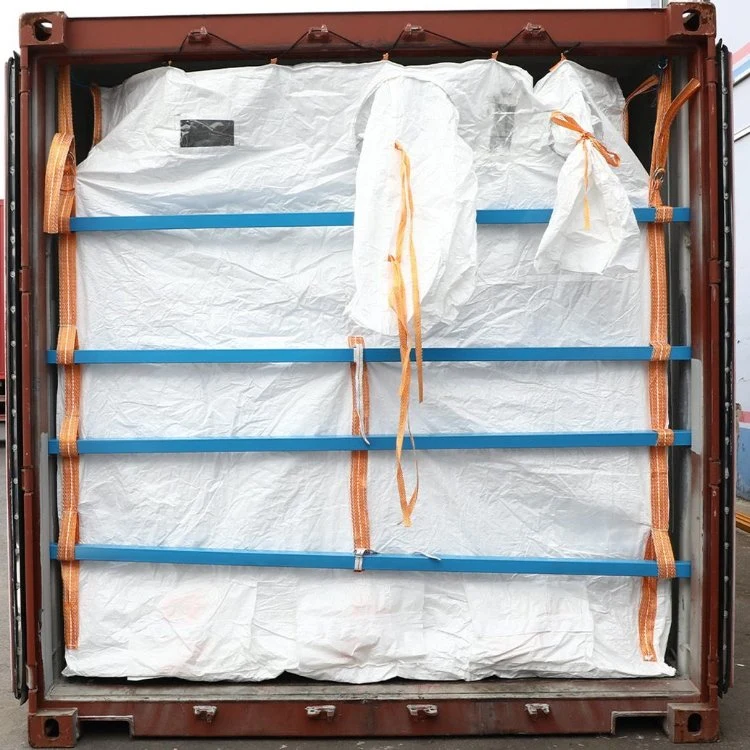
Finally, and most importantly for food grade applications, verify the supplier‘s credentials and the bag’s certifications. Ensure the bulk bag supplier adheres to recognized food safety standards like BRCGS, AIB, ISO 22000, or HACCP. Ask for documentation that proves the materials used are virgin polypropylene and that the bags are made in a clean, controlled environment. Don’t hesitate to inquire about their quality inspection processes. A reputable supplier will be transparent and provide all necessary information. For businesses like ours, providing 1 Ton Jumbo FIBC Liner Bags that meet these stringent criteria is a standard part of our service.
Are All FIBC Liners Created Equal for Food Grade Applications?
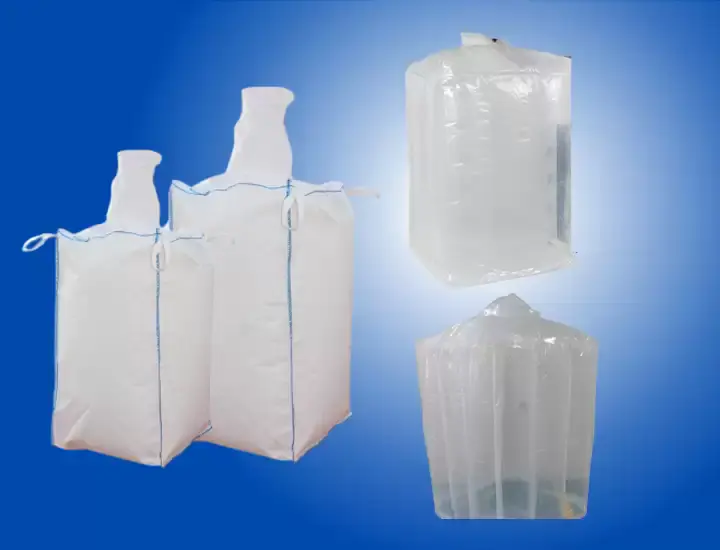
That’s a great question, and the simple answer is no, not all FIBC liners are created equal, especially when it comes to food grade applications. A liner is essentially a bag within the bulk bag, providing an additional layer of protection. For food products, the material of the liner itself must be food grade. Common materials include Low-Density Polyethylene (LDPE), Linear Low-Density Polyethylene (LLDPE), and sometimes more specialized materials like foil (aluminum) for superior barrier properties against oxygen and moisture.
The type of liner also matters. Some are simply inserted (loose-fit liners), while others are form-fit, meaning they are shaped to the contours of the FIBC, which helps with filling and complete discharge of the product. Form-fit liners can also reduce product trapping and improve stability. For certain food items that are particularly sensitive or require an oxygen barrier, specialized co-extruded or foil fibc liners are used. For instance, products like nuts, coffee, or certain pharmaceutical grade ingredients might benefit from an aluminum polyethylene liner.
Furthermore, how the liner is attached (or not attached) to the FIBC can be important. Liners can be loosely inserted, cuffed and sewn, tabbed, or glued. For food grade applications, the method of attachment must not compromise the integrity of the liner or introduce potential contamination points. At our factory, we often work with customers to determine the best FIBC and liner combination for their specific food product, ensuring both safety and functionality. For example, our PP Woven PE Bulk Container Liners are designed with these considerations in mind, offering robust protection.
What Manufacturing Standards Ensure an FIBC is Truly Food Grade?
To ensure an FIBC is truly food grade, it must be manufactured according to specific, internationally recognized standards. These standards govern everything from the raw materials used to the production environment and handling procedures. Key standards include those set by organizations like the BRCGS (Brand Reputation Compliance Global Standards), AIB International (American Institute of Baking), and ISO 22000 which incorporates HACCP (Hazard Analysis and Critical Control Points) principles. Compliance with these standards is a strong indicator that a bulk bag supplier is serious about food safety.
The manufacturing facility itself is a critical component. A food grade FIBC production area should be a "clean room" environment. This means:
- Pest control: Rigorous measures to prevent insects, rodents, or birds from entering the production zone.
- Air quality: Proper ventilation and sometimes air filtration to control dust and airborne particles.
- Hygiene protocols: Strict rules for personnel, including hand washing, use of hairnets, beard covers, and dedicated workwear.
- Material control: Ensuring only virgin polypropylene and approved additives are used, with full traceability of materials. No recycled content is allowed in the fabric that directly contacts food.
- Equipment sanitation: Regular cleaning and maintenance of machinery to prevent contamination.
- Light table inspection: Inspecting fabric for any defects, foreign objects, or contamination.
Beyond the physical environment, rigorous testing procedures are vital. This includes testing the raw polypropylene resin, the woven fabric, and the finished FIBC bags. Migration testing, for example, checks if any substances from the plastic could transfer to the food. Strength tests ensure the safe working load (SWL) is accurate and that the bulk bag can withstand the stresses of handling and transport. As a manufacturer, we invest heavily in these processes because we understand that the integrity of our customers’ food products depends on it. Our clients, particularly those in the USA and Europe, are very knowledgeable and often ask for detailed reports on our quality control.
Beyond the Bag: What Role Do Certifications Play in Selecting a Food Grade FIBC Supplier?
Certifications play a absolutely crucial role when you’re selecting a food grade FIBC supplier. They are not just pieces of paper; they are independent verifications that a supplier meets specific, high standards for safety and quality. For anyone in the food industry or pet food industry, especially procurement officers like Mark Thompson who are quality-sensitive, these certifications provide a level of assurance that is hard to achieve otherwise. They help to mitigate risks, including the dreaded "certificate fraud" that can sometimes occur with less scrupulous suppliers.
Key certifications to look for include:
- BRCGS (Brand Reputation Compliance Global Standards) for Packaging Materials: This is one of the most widely recognized standards for food packaging safety. It covers hygiene, quality management systems, and operational controls.
- AIB International (American Institute of Baking): AIB provides consolidated standards for inspection, which are highly respected, particularly in North America, for food contact packaging manufacturing facilities.
- ISO 22000: This is an international standard for food safety management systems. It incorporates HACCP principles and helps organizations identify and control food safety hazards.
- HACCP (Hazard Analysis and Critical Control Points): While often part of ISO 22000, a standalone HACCP certification or a documented HACCP plan is also a good sign.
- ISO 9001: This certification relates to overall quality management systems. While not specific to food safety, it indicates a commitment to consistent quality and process control.
When a supplier holds these certifications, it means their facilities, processes, and materials have been audited by an independent third party. This is a significant investment for a factory like ours, but it demonstrates our commitment to producing safe and reliable food grade bulk bags. I always advise potential customers to ask for copies of certifications and, if possible, to verify them with the issuing body. It’s a vital step in due diligence, ensuring the packaging bags you source will protect your valuable food items. For instance, when we provide food grade dry bulk container liners for products like soybeans, these certifications back up our quality claims.
Common Challenges and Solutions When Using FIBCs in the Food Industry
While using FIBC bulk bags offers many advantages of using fibc, companies in the food industry can sometimes face challenges. One common issue is ensuring complete product discharge, especially with sticky or poorly flowing food products. Solution: Opt for FIBCs with features designed for better flow, such as conical bottoms, or use specialized discharge aids. Form-fit liners can also help by minimizing folds and crevices where product can get trapped. Proper FIBC design, considering the product’s flow characteristics, is key.
Another challenge is preventing contamination during filling, handling, and storage. Even with food grade FIBCs, improper practices can compromise product integrity. Solution: Implement strict handling protocols. Ensure filling spouts are clean and properly connected. Store filled FIBCs in clean, dry environments, away from potential contaminants. Train staff on correct bulk bag handling procedures, including using the lift loops correctly to avoid damaging the bulk bag. For particularly sensitive products, consider FIBCs with top flap closures or iris closures for enhanced protection.
Finally, managing the logistics of FIBCs, including sourcing and managing inventory, can be a hurdle. Shipment delays from suppliers, a major pain point for procurement officers like Mark, can disrupt production. Solution: Work with a reliable bulk bag supplier who has a proven track record for on-time delivery and transparent communication. Develop a good forecasting system to manage your FIBC inventory. Consider a supplier who can offer just-in-time delivery or warehousing options. At my factory, we prioritize clear communication and robust logistics to minimize such issues for our clients, whether they need standard FIBC jumbo bags or more specialized solutions like FIBC Baffle Bags for stable storage of grains.
How Can Using FIBCs Improve Efficiency and Reduce Costs in Food Operations?
The impact of using FIBCs on efficiency and cost reduction in commercial food operations can be substantial. One of the most immediate benefits is in materials handling. A single FIBC can hold the equivalent of 20-40 smaller bags (e.g., 25kg or 50lb sacks). This dramatically reduces the number of units that need to be handled, moved, and stored. Think about the labor savings: one forklift operator can move a ton of product in an FIBC in the same time it might take multiple workers to handle the equivalent in small bags. This speeds up loading/unloading and internal transfer of food products.
Packaging costs themselves are often lower. While an individual FIBC costs more than a small sack, the cost per kilogram of product packaged is typically less due to the sheer volume an FIBC can hold. This means less polypropylene material is used per unit of product, and less ancillary packaging like pallets and stretch wrap might be needed, especially if FIBCs are designed for optimal stacking. The advantages of using fibc bulk bags in this regard are clear when you look at the total cost of ownership.
Furthermore, FIBCs can improve storage efficiency. Well-designed FIBCs, especially baffle bulk bags which maintain a squarer shape, can be stacked more efficiently, maximizing warehouse space. This reduces storage costs per unit of product. Efficient discharge mechanisms also mean less product wastage. And by reducing manual handling, you also lower the risk of damage to products and reduce workplace injuries, which has its own set of associated costs. For any business in the food market, these efficiencies contribute directly to the bottom line, a key concern for decision-makers like company owners.
The Future of Food Packaging: Trends in Food Grade FIBC Technology
The world of food packaging, including food grade FIBCs, is constantly evolving. One major trend is the increasing demand for sustainability. This is pushing innovation in materials and design. We’re seeing more research into polypropylene resins that are lighter yet stronger, reducing the amount of plastic needed per bulk bag. There’s also growing interest in designs that are easier to recycle or incorporate recycled content (though for direct food contact in food grade FIBCs, virgin material is still the standard for the product contact layer, outer layers or components might see changes).
Another trend is the integration of "smart" technologies. Imagine FIBCs with embedded RFID tags or sensors that can track the bulk bag‘s location, temperature, or humidity levels throughout the supply chain. This offers unprecedented visibility and traceability, which is invaluable for high-value or sensitive food products and aligns with increasing regulatory demands for food safety. While still in earlier stages for widespread adoption in FIBCs, this is an area with huge potential, especially for many industries that rely on precise tracking.
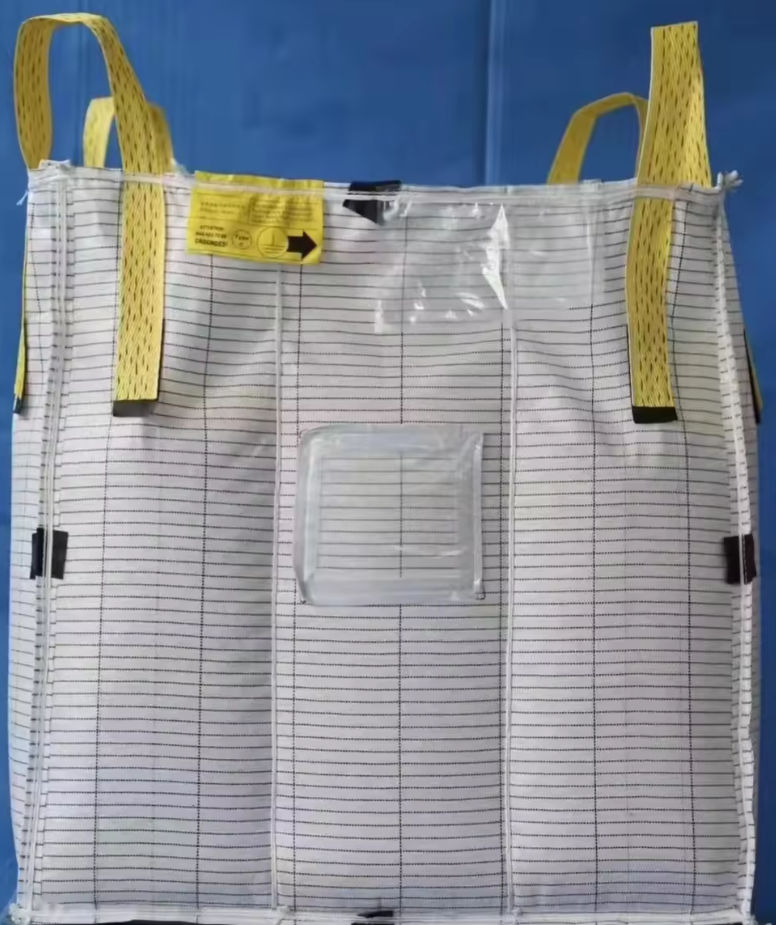
Finally, customization and specialized solutions continue to be a driving force. As the global food supply chain becomes more complex, the need for packaging tailored to specific products, transit conditions, and end-user requirements is growing. This includes advanced liner technologies for enhanced barrier properties (like improved moisture and oxygen protection), anti-static FIBCs for combustible food powders (like our Type C Conductive FIBC Bulk Bag), and designs that further improve ease of use and safety. As a bulk bag supplier, staying ahead of these trends and investing in R&D is crucial to meeting the evolving packaging needs of the food industry and pet food industry.
Key Takeaways to Remember:
- Food Grade FIBCs are Essential: They are specifically designed for safely storing and transporting food products, made from virgin polypropylene in hygienic conditions.
- Prioritize Certifications: Look for suppliers with BRCGS, AIB, ISO 22000, or HACCP certifications to ensure compliance with food grade standards.
- Understand Your Needs: Choose your FIBC based on your product characteristics, handling processes, and required safe working load. The right FIBC matters.
- Liners Add Protection: Food grade liners (often polyethylene liner) provide an extra barrier against contamination, moisture, and oxygen. Not all liners are the same.
- Efficiency and Cost Savings: Using FIBC bulk bags can significantly reduce handling time, packaging material costs, and improve storage efficiency in the food industry.
- Supplier Relationship is Key: A reliable bulk bag supplier with transparent communication and strong quality control is vital, especially to avoid issues like shipment delays.
- Safety First: Always ensure the bulk bag meets all safety standards and is handled correctly to prevent accidents and product contamination.
Thank you for reading! I hope this quick guide to FIBC has been informative. As Allen from xsbulkbag.com, we’re always here to help you find the best packaging solutions for your business.
Post time: Jun-04-2025