In the high-stakes world of global trade, protecting your product during transit is just as important as the quality of the product itself. Whether you are shipping fine chemical powders, agricultural grains, or sensitive minerals, moisture and contamination are constant threats. As a factory owner who has spent years manufacturing packaging solutions for clients across the USA and Europe, I have seen how the humble liner can save businesses thousands of dollars in wasted goods.
This article delves into the essential role of FIBC bulk bag liners and container liners. We will explore why these flexible packaging options are becoming the industry standard for cost-effective and secure logistics. From understanding the difference between a standard FIBC and a bulk container liner to choosing the right packaging solution for your specific needs, this guide covers it all. Read on to discover how liner bags can streamline your operations and ensure your bulk materials arrive in pristine condition.
What is an FIBC Bulk Bag Liner and Why is it Essential?
An FIBC (Flexible Intermediate Bulk Container), commonly known as a bulk bag, is a fantastic tool for moving heavy loads. However, standard woven polypropylene bags have microscopic gaps in the weave. While they are strong, they are "breathable." This is where the liner comes in. A liner is typically a polyethylene or foil insert placed inside the fibc bag.
Think of the liner as a second skin for your product. It provides a crucial barrier that the outer bag cannot offer on its own. Liners are designed to prevent leakage of fine materials and stop moisture from getting in. For industries dealing with fine powders or food products, a liner helps maintain hygiene and purity. Without a liner, you risk contamination from the outside environment, or worse, losing valuable product through the fabric of the bag.
Key functions of a liner:
- Moisture Protection: Keeps dry goods dry.
- Contamination Barrier: Blocks dust and dirt.
- Leak Prevention: Stops fine powders from sifting out.
- Oxygen Barrier: Extends the shelf life of sensitive goods.
How Do FIBC Liners Transform Standard Bulk Packaging into a Secure Solution?
When you add a liner to a fibc bulk bag, you elevate it from a simple carrying sack to a high-performance packaging solution. Standard bulk bags are excellent for strength, but they lack the seal required for sensitive goods. FIBC liners bridge this gap.
For example, if you are transporting chemicals that react to humidity, a standard bulk bag is insufficient. By using a polyethylene liner, you ensure that the humidity levels inside the bag remain stable. Fibc bulk bag liners are often sealed at the top and bottom, creating a hermetic environment. This ensures that the contents remain chemically stable from the factory floor in China to the warehouse in the USA.
Furthermore, liners allow for the safe transport of food-grade items. We often supply Food Grade Dry Bulk Container Liners to agricultural clients. These liners provide a clean, untouched environment for products like soybeans or flour, ensuring compliance with strict safety regulations.
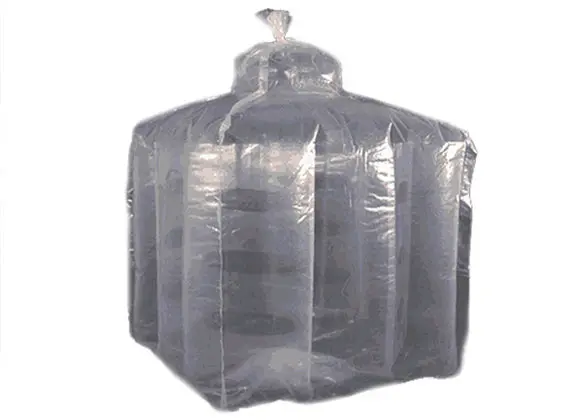
Container Liner vs. FIBC Bulk Bag: Which Packaging Solution Fits Your Needs?
A common question I get from procurement officers like Mark is whether to use individual fibcs or a single container liner. Both are flexible packaging methods, but they serve different scales.
- FIBC Bulk Bags: These are individual units, typically holding 1 to 2 tons. They are ideal if your customer needs to distribute the product to different locations or use it in smaller batches. Bags are available in various designs and are easy to lift with a forklift.
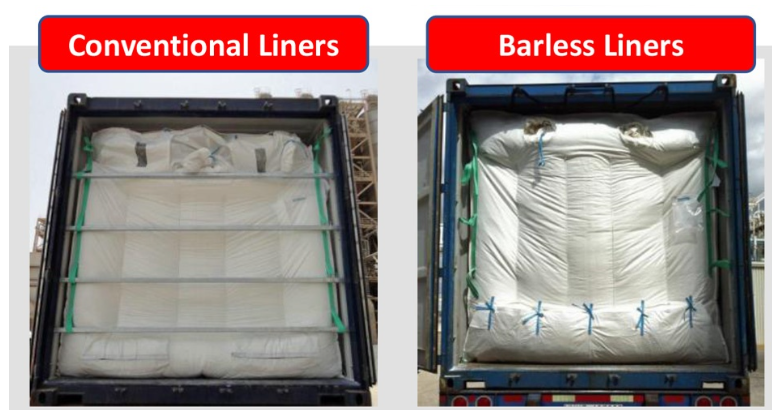
- Container Liners: A bulk container liner converts an entire 20ft or 40ft ISO shipping container into one massive bag. This is known as sea bulk or dry bulk shipping. It is perfect for high-volume shipments to a single destination.
Comparison Table:
| Feature | FIBC Bulk Bag | Container Liner |
|---|---|---|
| Capacity | 500kg - 2000kg | 18 - 24 Tons (Full Container) |
| Handling | Forklift required for each bag | Pneumatic or belt conveyor loading |
| Packaging Waste | Moderate (multiple bags) | Low (one single liner) |
| Flexibility | High (can be stored anywhere) | Low (must unload full container) |
| Cost | Higher packaging cost per ton | One of the most cost-effective per ton |
If you are looking to streamline large-scale raw material transport, the container liner is often the winner. However, for distribution flexibility, fibc bulk bags are superior.
Why Are Liner Bags Considered One of the Most Cost-Effective Packaging Methods?
In the logistics world, margins are tight. Cost-effective packaging is not just about the price of the bag; it's about the total cost of ownership. Liner bags, whether for fibcs or containers, significantly reduce overall expenses.
First, liners eliminate the need for expensive rigid containers like drums or silos. A fibc bag with a liner weighs only a few kilograms but carries tons. This reduces the deadweight of the shipment, saving on freight costs.
Second, using a bulk container liner drastically lowers packaging costs. Instead of buying, filling, and handling 20 separate bulk bags, you install one liner in a container. This reduces labor time for loading and unloading. It also minimizes packaging waste, which is increasingly important for environmental compliance. Businesses looking to streamline their operations find that liners offer an immediate return on investment by simplifying the supply chain.
What Are the Key Benefits of Using Special Liners for Fine Powders and Chemicals?
Handling fine powders presents a unique set of challenges. Powders like cement, flour, or chemical additives behave like fluids; they can flow through the tiniest needle holes in a woven polypropylene bag. This leads to product loss and a messy, hazardous workspace.
Special liners, such as Baffle Bulk Form Fit PE big bag liners, are designed to solve this. These liners provide a complete seal. Unlike standard bags where dust can escape through the seams, a liner is a continuous barrier.
Moreover, for hazardous powders, we use anti-static or conductive liners (used in Type C bags). Static electricity can build up when powder flows, creating a risk of explosion. Specialized fibc liners dissipate this charge. Using bulk bags with the correct liner ensures you meet safety regulations while keeping your product quality intact.
How Do Form-Fit Liners Streamline Loading and Unloading Processes?
One of the frustrations with standard "tube" liners is that they don't fit the bag perfectly. They can bunch up, creating pockets that trap product and make the bag unstable. Form-fit liners are the advanced solution to this problem.
Form-fit liners are manufactured to match the exact shape of the fibc bulk bag, including the spout and discharge chute. This customization means the liner fills out into the corners of the bag immediately.
Advantages of using form-fit liners:
- Faster Filling: No need to stop and adjust the liner; product flows smoothly.
- Stability: The bag keeps its square shape, making stacking safer.
- Complete Discharge: No folds or creases for material to get stuck in during unloading.
For high-speed filling lines, we often supply bags with a pre-installed liner that is glued or tabbed to the outer bag. This allows for immediate use, helping streamline the workflow significantly.
Can FIBC Bulk Bag Liners Extend the Shelf Life of Moisture-Sensitive Products?
Absolutely. Moisture protection is perhaps the most critical role of a liner. Many bulk materials, such as sugar, pharmaceutical ingredients, or cement, are hygroscopic—they absorb water from the air. If transported in a standard woven bag across the ocean, "container rain" (condensation) can ruin the entire cargo.
FIBC liners made from high-barrier materials (like Aluminum foil or EVOH) block water vapor transmission. By sealing the product inside a barrier liner, you essentially pause the aging process caused by oxidation and moisture. This significantly extends the shelf life of the goods.
For container liners packing fish meal/cocoa/coffee beans, this protection prevents mold growth and flavor loss. Liners are designed to provide a climate-controlled environment without the need for expensive refrigerated containers.
What Customization Options Are Available for Bulk Container Liners?
Every product flows differently, and every customer has different unloading equipment. That's why customization is key in the packaging industry. Bulk container liners are not one-size-fits-all.
Types of container liners include:
- Zipper Liners: For easy access and manual loading.
- Barless Liners: Designed to be self-supporting, removing the need for steel bars at the container door.
- Fluidizing Liners: Equipped with air bags to help sticky powders flow out.
- Thermal Liners: Insulated to protect goods from extreme temperature changes.
As a manufacturer, we can design the bag to meet your specific intake and discharge systems. Whether you are using a pneumatic blower or a conveyor belt, there is a container liner configuration that will optimize your bulk packaging needs.
Sustainability in Logistics: Are FIBC Liners and Container Liners Recyclable?
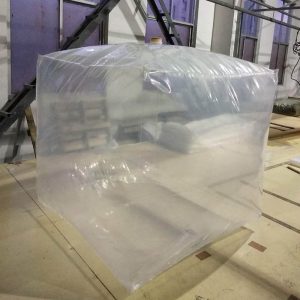
In today's market, environmental footprint is a major concern. Fortunately, polyethylene liners and polypropylene bags are highly recyclable. Unlike multi-layer paper sacks which are difficult to separate, fibcs and their liners are made from compatible plastics.
Using bulk packaging like a container liner is inherently more eco-friendly than using thousands of small 25kg sacks. You significantly reduce packaging mass per ton of product shipped. Furthermore, liners protect the outer bag from contamination. In many cases, this means the outer fibc bag can be reused with a fresh liner, extending the life of the packaging materials.
We encourage our clients to participate in recycling programs. By choosing reliable packaging that minimizes waste and maximizes payload, you are making a sustainable choice for your business and the planet.
How to Choose the Right Liner for Your Specific Bulk Shipments?
Selecting the correct packaging methods can be overwhelming given the packaging options available. Here is a simple guide to choosing the right liner:
- Analyze Your Product: Is it a powder or granule? Is it sensitive to moisture? If yes, you need a liner.
- Determine the Volume: Are you shipping enough to fill a 20ft container? If yes, a bulk container liner is likely the most cost-effective choice. If you need smaller batches, stick to fibc bulk bags.
- Check Your Equipment: How will you load it? Top fill? End fill? Your liner design must match your machinery.
- Regulatory Needs: Do you need food-grade or anti-static certification? Ensure your liner meets these industry standards.
Bags tailored to your operation prevent headaches down the road. It is always best to consult with a container liner manufacturer who can analyze your supply chain and recommend the best type of liner.
Summary of Key Takeaways
- Essential Protection: Liners provide a critical barrier against moisture, oxygen, and contamination, protecting product quality.
- Versatile Options: You can choose between individual FIBC liners for flexibility or container liners for high-volume bulk shipments.
- Cost Savings: Using bulk liners reduces labor, freight costs, and packaging waste, making it a cost-effective packaging strategy.
- Product Safety: Special liners prevent leakage of fine powders and extend the shelf life of sensitive goods.
- Efficiency: Form-fit liners and customization options like zipper loading streamline the handling process.
- Sustainability: Liners are designed to be recyclable and help reduce packaging volume compared to small sacks.
- Custom Fit: Always ensure your liner matches your specific packaging needs and handling equipment for maximum efficiency.
Post time: Dec-18-2025