In the fast-paced world of the global agricultural industry, efficiency and reliability are paramount. Every bushel of seed and every ton of fertilizer represents a significant investment. The challenge? Getting these materials from the field to the factory, and ultimately to the end-user, without loss, contamination, or damage. This is where the right packaging becomes a mission-critical component of your supply chain. The FIBC bulk bag, particularly the versatile 2 loop FIBC bags, has emerged as the champion of agricultural packaging solutions. This article is your definitive guide to understanding these powerhouse containers. As a manufacturer with seven production lines, I've dedicated my career to perfecting the FIBC bag, and I will share my insights on how storing and transporting your valuable goods in the right bulk bag can save you time, money, and headaches.
What Exactly is a 2 Loop FIBC Bulk Bag?
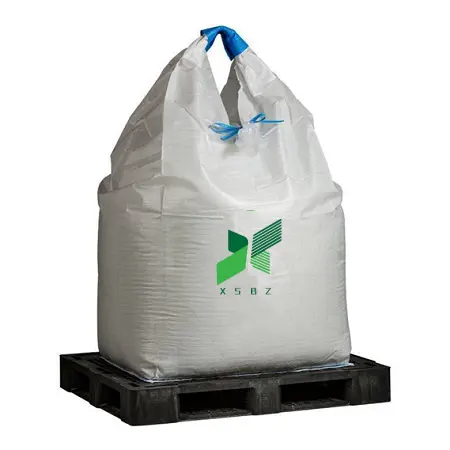
Let's begin with the basics. FIBC stands for Flexible Intermediate Bulk Container. As the name suggests, these are large, flexible containers designed to store and transport dry, flowable products. A 2 loop FIBC bag is a specific design within this family, prized for its efficiency and ease of handling. These bags are constructed from a single piece of tubular polypropylene fabric, which forms both the body of the bulk bag and the two lifting loops.
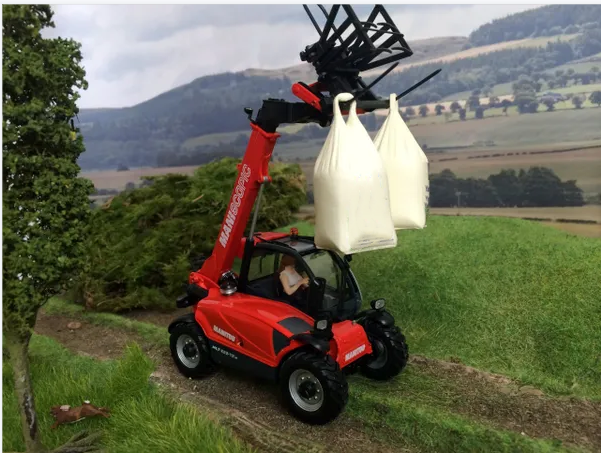
The defining feature of a 2 loop FIBC bag is its lifting mechanism. The two loops are formed from the body fabric itself, which is reinforced with heavy-duty bands. This design allows the bulk bag to be lifted by a single hook or forklift tine, making the loading and unloading process incredibly fast. This is a significant advantage over a traditional 4 loop FIBC, which requires a spreader beam or all four loops to be gathered by a single hook, a more time-consuming process.
These bags are mostly used in the agricultural and construction sectors for products like seed, grain, cement, and fertilizer. The seamless, tubular body construction also means there are no side seams, which eliminates a potential weak point and reduces the risk of leaks, especially for fine powder materials.
Why are Loop FIBC Bags the Best Packaging Solution for Seed and Grain?
When you're dealing with seed or grain, you have three main enemies: moisture, pests, and physical damage. A high-quality FIBC bulk bag is engineered to combat all three. The tightly woven polypropylene fabric creates a strong physical barrier that protects the contents from punctures and tears during transportation.
More importantly, the weave is tight enough to keep the product securely contained while preventing contamination from external dust and dirt. When it comes to pests, a sealed FIBC bag is far superior to open bins or smaller sacks, significantly reducing the risk of infestation by rodents or insects during storage. This protection is vital for maintaining the quality and value of your agricultural products.
The versatility of the FIBC bag is another key benefit. They can be designed with various filling and discharge options (like spouts) to integrate seamlessly into automated packing systems. Their strength and stability mean you can stack them, optimizing warehouse space. For any business looking to streamline its storage and transportation of agricultural goods, the loop FIBC bag is an intelligent and reliable choice.
How Can a Liner Provide Critical Moisture Protection for Agricultural Products?
While the woven fabric of a bulk bag is strong, it is not waterproof. For products that are sensitive to humidity, like premium seed varieties or certain fertilizers, moisture protection is non-negotiable. This is where a polyethylene (PE) liner becomes an essential component of your packaging.
A liner is a separate bag made of PE film that is inserted inside the FIBC bulk bag. This liner acts as a complete moisture barrier, effectively creating a bag-within-a-bag system. It isolates the product from the outside atmosphere, preventing ambient moisture from seeping in and causing the product to clump, mold, or spoil. For anyone in the agricultural sector, a small investment in a liner can save an entire shipment from being ruined.
There are different types of liners, from simple, loosely inserted ones to form-fit liners that are shaped to the exact dimensions of the FIBC bag. When discussing your specification with a manufacturer, be sure to mention the level of moisture protection you need. For many applications, a simple PE liner is the most cost-effective way to ensure your product arrives in perfect condition. To learn more about this crucial component, you can explore the details of a standard FIBC Liner.
What are the Different Types of FIBC Lift Loops You Can Choose?
The "loop" is the workhorse of the FIBC bag. It's the part that endures all the stress during lifting and moving. While we've focused on the two-loop design, it's important to understand the other common configurations to know which is right for your operation.
| Loop Type | Description | Best For |
|---|---|---|
| Single Loop & Two Loop | Made from the bag's own body fabric, often with a sleeve for the hook. Allows for single-point lifting. | Automated filling lines and operations where speed is critical. Very popular in the European fertilizer and seed industry. |
| 4 Loop | The most common type. Four separate loops are sewn into the corners of the bulk bag. | General purpose use, providing excellent stability. A forklift is needed with two tines, or a crane with a spreader beam. |
| Cross-Corner Loops | A variation of the 4 loop FIBC. The loops are sewn onto the body on the seams, but they arch over the corners. | Makes it easier for a forklift operator to grab all four loops at once with a single hook. |
The choice of loop configuration depends entirely on your handling equipment and operational workflow. Single or double loop fibcs are fantastic for speed, while standard 4 loop fibc bags offer rock-solid stability. A good manufacturer can produce any loop style to match your specific needs.
How Do Baffle FIBC Bags Optimize Storage and Transport?
One of the challenges with a standard FIBC bulk bag is that it can bulge in the middle when filled, taking on a rounded, unstable shape. This makes it difficult to stack and wastes precious space in a shipping container or warehouse. The solution to this problem is the baffle FIBC bag.
A baffle is an internal piece of fabric with holes in it that is sewn to the corners inside the bulk bag. These baffles run the length of the bag and prevent the sides from bulging outward. When the FIBC bag is filled, it maintains a much more square, brick-like shape. This design offers two massive advantages.
First, stability. A square bulk bag is far more stable and safer to stack. You can often stack them two or three high, dramatically increasing your storage capacity without needing to invest in more floor space or a new pallet racking system. Second, shipping efficiency. The square shape allows you to fit more bags tightly into a truck or shipping container, reducing wasted space and lowering your per-unit freight costs. For businesses focused on logistics optimization, a Baffle FIBC Bag is an incredibly smart and economical investment.
Are Loop FIBC Bags an Economical Choice for the Agriculture Industry?
Absolutely. For any business owner or procurement officer, the bottom line is always a key consideration. The FIBC bulk bag is one of the most cost-effective packaging solutions for bulk material handling available today. The savings come from several areas.
First, reduced packaging costs. One bulk bag can hold up to two metric tons, replacing 20-40 smaller sacks. This consolidation dramatically reduces your expenditure on packaging materials. Second, lower labor costs. Handling one large bulk bag with a forklift is far faster and requires less manpower than moving dozens of small bags manually. This speeds up your entire operation, from packing to shipping.
Finally, freight optimization. As mentioned, the ability to stack bags and the use of baffle designs allow you to maximize the payload of every truck and container, reducing your overall transportation expenses. When you add in the potential for multi-trip bags that can be reused, the long-term value becomes undeniable. The bags offer a significant return on investment for any high-volume operation.
How Do You Choose the Right FIBC Bulk Bag Specification?
Choosing the right FIBC bulk bag is crucial for safety and performance. This isn't a one-size-fits-all product. A reliable manufacturer will work with you to engineer a bulk bag that meets your exact requirements. Here are the key factors you need to consider when creating your specification:
- Safe Working Load (SWL): How much weight does the bulk bag need to hold? This is typically measured in kilograms or pounds and can range from 500 kg to 2,000 kg.
- Safety Factor (SF): This is a safety ratio. A 5:1 SF means the bulk bag has been tested to withstand five times its SWL and is intended for single-trip use. A 6:1 SF is for multi-trip bags.
- Fabric Type: Do you need standard uncoated fabric, or coated or uncoated fabrics? A coat of polypropylene is added to the fabric to reduce moisture ingress and prevent fine powder from sifting through the weave.
- Liner Requirement: As discussed, do you need an inserted PE liner for complete moisture protection?
- Lift Loops: Which loop configuration best suits your handling equipment (single loop, two loop, 4 loop, etc.)?
- UV Protection: If the bags will be stored outside, a UV inhibitor must be added to the polypropylene to prevent degradation from sunlight.
Discussing these points with your supplier will ensure you get the perfect FIBC bulk bag for your application, like a specialized 2 Loop FIBC Bag designed for maximum efficiency.
What Role Does a Certificate of Conformity Play in Sourcing a FIBC Bag?
For procurement officers, one of the biggest concerns when sourcing from overseas is quality and authenticity. A Certificate of Conformity is a crucial document that provides assurance that the FIBC bag you are buying has been tested and meets international safety standards.
This certificate is issued by the manufacturer and should confirm several key details:
- The specific FIBC bag type and specification.
- The Safe Working Load (SWL) and Safety Factor (SF) it has been tested for.
- The standard it was tested against (e.g., ISO 21898).
- A unique test certificate number for traceability.
A reputable manufacturer will always provide this documentation without hesitation. It is your proof that the bulk bag is safe to use for its intended load. Be wary of any supplier who is unable or unwilling to provide a legitimate test certificate. This document is your primary defense against substandard products and is essential for ensuring workplace safety and protecting your valuable cargo.
What Makes a FIBC Bulk Bag Ideal for the Modern Agricultural Industry?
The modern agricultural industry is all about volume, speed, and sustainability. The FIBC bulk bag aligns perfectly with these priorities. Their large capacity allows for the efficient movement of massive quantities of seed, grain, and fertilizer, reducing the number of individual units that need to be handled.
The design of loop fibc bags is perfectly suited to automation. Filling and discharge spouts can connect directly to silos and processing equipment, creating a closed system that minimizes dust and contamination. The ability for bags can be lifted by a single operator with a forklift streamlines logistics and reduces dependency on manual labor.
Furthermore, FIBCs are a step forward in sustainability. High-quality bags are made from woven polypropylene, a material that can be recycled. Moreover, multi-trip bags with a 6:1 safety factor can be reused multiple times, significantly reducing packaging waste compared to single-use sacks. This combination of efficiency and environmental consideration makes the FIBC bag the forward-thinking choice for the industry.
Why is Polypropylene the Perfect Material for Storing Seed and Fertilizer?
The material science behind the FIBC bag is key to its success. Woven polypropylene is the material of choice for several important reasons. First, it has an exceptional strength-to-weight ratio. A bulk bag that weighs only a few kilograms can safely hold over a ton of material. This is thanks to the incredible tensile strength of the oriented polypropylene tapes used in the weave.
Second, polypropylene is chemically inert. This is extremely important when packing fertilizer or other treated agricultural products. The material will not react with the contents, ensuring that the purity of the product is maintained. It is also resistant to rot and mildew, which is crucial for long-term storage.
Finally, it's a durable and resilient material. It can withstand the rigors of international transportation, including abrasion, drops, and impacts. This robustness ensures that the FIBC bulk bag provides reliable protection from the point of origin to the final destination, safeguarding the valuable agricultural commodities that feed the world.
Key Takeaways
To make the best packaging choice for your agricultural products, remember these key points about loop FIBC bags:
- Efficiency is Key: 2 loop FIBC bags are designed for fast, single-point lifting, making them ideal for high-volume, automated operations.
- Protection is Paramount: The strong weave and optional liner protect your seed and grain from pests, physical damage, and most importantly, moisture.
- Optimize Your Space: Baffle bags maintain a square shape, allowing you to stack them safely and maximize your storage and shipping capacity.
- Economical Solution: FIBCs reduce costs associated with labor, packaging materials, and freight, offering a significant return on investment.
- Specification Matters: Always work with your manufacturer to define the correct SWL, fabric type, loop design, and other features to ensure safety and performance.
- Demand Certification: Never purchase a bulk bag without a valid Certificate of Conformity to verify its quality and safety rating.
Post time: Oct-29-2025