We live in a world wrapped in plastic. From the sandwich bag in your child's lunchbox to the massive industrial sacks transporting tons of sugar across the ocean, this material is the backbone of the modern food system. But let's be honest—how much do you actually know about the material touching your food? If you are like most people, you might worry about chemicals, safety, and the environment.
This guide explores the reality of polypropylene, the unsung hero of packaging. We will dig deep into whether your plastic food container is actually safe for food, how woven bags are engineered to hold thousands of pounds without bursting, and the truth about microplastics. Whether you are a procurement manager sourcing containers for a chemical plant or just someone trying to figure out which food storage box is safe for the microwave, this article is worth reading. We are cutting through the noise to give you the facts on safety, durability, and food-grade standards.
What exactly is polypropylene and how is this type of plastic used?
Polypropylene (often abbreviated as PP) is one of the most versatile and widely produced polymers in the world. In scientific terms, polypropylene is a thermoplastic polymer, which means it becomes pliable or moldable at a certain elevated temperature and solidifies upon cooling. This unique property allows manufacturers to turn it into everything from rigid car parts to soft, flexible fibers for clothing and industrial packaging.
In the context of your daily life and industrial logistics, polypropylene is the gold standard for durability and safety. It is a plastic used extensively because it resists moisture, oils, and solvents. Unlike other plastics that might crack under stress or melt easily, PP is tough. This is why you see it in food packaging like yogurt cups, margarine tubs, and medicine bottles.
On an industrial scale, this type of plastic is spun into strong threads to create woven polypropylene bags. These aren't your average grocery sacks. We are talking about massive Flexible Intermediate Bulk Containers (FIBCs) capable of holding 2,000 to 4,000 pounds of material. Because PP has a high melting point and is chemically inert, it doesn't react with the contents, making it ideal for everything from fine chemical powders to agricultural grains.
Are plastic food containers and woven bags considered safe for food storage?
The short answer is yes, but with a caveat: it must be high-quality, virgin material. Not all plastic is created equal. When we talk about food safe materials, we are referring to plastics that have met strict regulations (like FDA in the US or EU compliance) ensuring that they do not release harmful substances into the food. Polypropylene is generally considered safe for food because it doesn't contain Bisphenol A (BPA), a chemical that has caused significant health risks and consumer alarm in recent years.
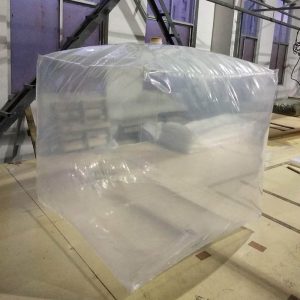
For industrial applications, using a Food Grade Dry Bulk Container Liner For Soybeans is essential. These liners create a hygienic barrier between the cargo and the container wall. When storing food or transporting ingredients like flour, sugar, or coffee beans, the packaging must be rigorous. If a bag smells like recycled chemical plastic, it’s a no-go. The plastic container or bag must preserve the integrity of the product inside.
However, safety also depends on how the plastic used is treated. Food storage containers made from PP are heat resistant, which is why they are often labeled as microwave safe. But safety isn't just about heat; it's about physical stability. In the warehouse, bags need to be stackable without toppling. If the fabric is weak, the safety factor drops, risking accidents. Quality manufacturers ensure that the plastic formulation includes UV stabilizers to prevent the bags from disintegrating and potentially contaminating the contents.
Do chemicals in plastic leach into food during long-term storage?
This is the question that keeps many safety managers and parents up at night. The fear is that chemicals in plastic will migrate from the container into the meal. This process is called leaching. While it is true that some plastics can leach chemicals like phthalates or heavy metals, polypropylene has a very strong resistance to leaching. It is a stable material.
However, the amount of chemicals that might migrate into food depends heavily on storage conditions. High heat and acidic foods can accelerate leaching in lower-quality plastics. For example, black plastic (often found in takeout containers) is frequently made from recycled electronic waste and may contain harmful additives; you should generally avoid using black plastic for reheating food.
In the world of bulk logistics, we use specific liners to prevent any risk of contamination. For instance, PP Woven PE Bulk Container Liners provide an extra layer of security. We specifically design these so that no chemicals into food transfer occurs. The plastic film used in these liners is chemically inert. When you store and transport sensitive goods, relying on verified, virgin resin minimizes the number of chemicals found in the packaging structure, keeping the food from plastic interactions strictly neutral.
How does low-density polyethylene (LDPE) compare to PP in food packaging?
You will often hear about polyethylene and polypropylene in the same breath. They are cousins in the plastic family, but they have different jobs. Low-density polyethylene (LDPE) is softer, more flexible, and more transparent. It is the material often used for cling wrap, squeeze bottles, and the inner liners of large bags.
PP, on the other hand, is tougher and stiffer. In a heavy-duty bag, the outer woven layer is PP for strength (to lift 1 ton), while the inner liner might be LDPE to make it waterproof. LDPE is also food-grade and chemically resistant. When you buy plastic packaging for bread or frozen foods, you are likely holding polyethylene.
The combination of these two is powerful. For example, a plastic bag for cement might just be woven PP, but a plastic bag for milk powder will have an LDPE liner. This liner ensures the powder doesn't sift out and moisture doesn't get in. Both are safe for food storage, but they serve different mechanical purposes. Understanding this distinction helps in choosing the right packaging for the job—whether you need the rigidity of a plastic container or the flexibility of plastic film.
How are plastic bags made, and specifically, how are woven polypropylene bags constructed?
The manufacturing process of plastic bags are made is a fascinating display of engineering. It starts with raw polymer pellets. These pellets are melted down and extruded into long, thin tapes. It looks a bit like making pasta, but much hotter! These tapes are then stretched to align the molecules, which gives the plastic its incredible tensile strength.
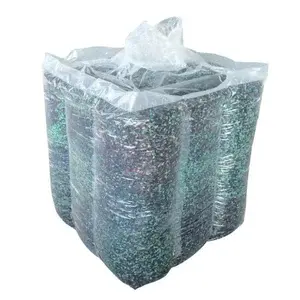
For woven polypropylene bags, these tapes are loaded onto circular looms. The looms weave the tapes over and under each other, creating a fabric that looks like a checkered pattern. This "woven" structure is what makes the bags so strong. Unlike a simple grocery sack which is just a blown film, woven bags rely on this interlocking mechanic to hold massive weights without tearing.
Once the fabric is woven, it is cut and sewn. This is where quality control is critical. A High Quality Bulk Bag Supplier & Manufacturer like Oubaisi ensures that the sewing thread is also high-strength PP and that the loops are reinforced. If you are a buyer like Thomas, you know that a "sift-proof seam" is vital for fine powders. We use dust-proof cords in the seams to prevent leakage. The result is a durable plastic vessel that can handle the rough environment of shipping containers and warehouses.
Are microplastics and nanoplastics getting into your food through packaging?
We cannot discuss plastic today without addressing microplastics. These are tiny particles of plastic, less than 5mm in length. A major source of microplastics is the breakdown of larger plastic products over time due to UV radiation and physical abrasion. The concern is that these particles are now found in our water, soil, and even our bodies.
Are they getting into your food from packaging? It is possible, especially if the packaging is old or degrading. When you twist off a cap from a plastic bottle or tear open a cheap snack bag, tiny fragments can fall in. In industrial settings, if woven bags are dragged across the floor or left in the sun, the fabric can fray, shedding small fibers.
However, high-quality food-grade packaging is designed to resist this abrasion. By using UV stabilizers and virgin materials, we reduce the rate of degradation significantly. Furthermore, using liners (like the PE liners mentioned earlier) acts as a shield. The food touches the smooth, continuous surface of the liner, not the woven fabric that might shed fibers. While plastic waste in the ocean is a huge contributor to microplastics, properly managed, single-use industrial packaging that is recycled correctly helps mitigate this issue.
How can you identify if a plastic container or bag is food-grade?
Not all plastic materials are safe for your lunch or your soybean shipment. So, how do you know? You need to look for specific markers. On consumer plastic containers, look for the recycling triangle.
- Number 1 (PET): Usually plastic bottles for water/soda. Single-use.
- Number 2 (HDPE): Milk jugs. Very safe.
- Number 4 (LDPE): Squeeze bottles, bread bags. Safe.
- Number 5 (PP): Yogurt cups, storage boxes, ketchup bottles. This is polypropylene. It is excellent for heat and food contact.
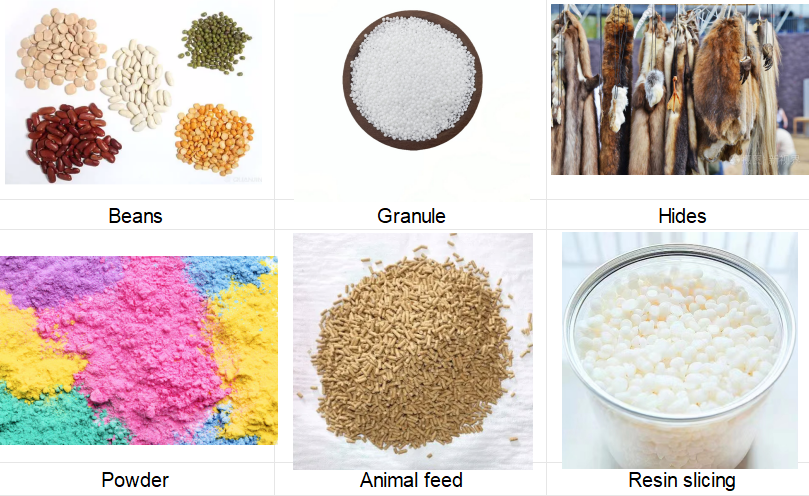
In the industrial world, you won't always see a triangle on a massive bag. Instead, you must rely on certification. A reputable supplier will provide documentation proving FDA or EU compliance. If you are used to store grains or sugar, the bag must be certified food-grade. This means the factory follows strict hygiene protocols—no glass, no wood, no pests, and workers wear protective gear. If a supplier cannot prove their bags are safe for food, do not use them.
Also, check the smell and appearance. Virgin PP is odorless and usually white or translucent. If a bag is dark, murky, or smells like burnt wax or chemicals, it might contain recycled hazardous materials. Choosing the right supplier is your first line of defense against contamination.
Is polypropylene reusable and how does plastic recycling work for industrial bags?
One of the great benefits of polypropylene is that it is a reusable plastic. In the FIBC industry, we rate bags based on their Safety Factor (SF). A bag with a 5:1 SF is for a single trip. A bag with a 6:1 SF is designed for multiple trips. These bags offer immense value because you can refill them, provided they are inspected for damage.
When the bag reaches the end of its life, plastic recycling comes into play. PP is fully recyclable. The bags are collected, shredded, cleaned, and melted back into pellets. These pellets are then used to make flower pots, pallets, automotive parts, or even new generic woven bags (though usually not food-grade ones again, to be safe).
Recycling industrial pp bags keeps plastic waste out of landfills. It transforms a plastic bag from a disposable item into a resource. However, bags are properly recycled only if they are free of hazardous residues. If a bag held toxic chemicals, it requires special disposal. For food use bags, recycling is much easier and cleaner.
What are the best practices for storing food in plastic to avoid contamination?
To ensure food safety and maximize shelf life, storage conditions are key.
- Temperature Control: Keep plastic containers and bags in a cool, dry place. Heat accelerates the breakdown of polymer chains, potentially causing the plastic to become brittle or leach.
- Avoid UV Light: Sunlight is the enemy of plastic. It makes the material crack. Industrial bags have UV inhibitors, but even they have limits (usually 2000 hours).
- Use Liners: For powders and grains, always use a liner. It adds a moisture barrier and prevents chemicals found in food from reacting with the outer bag.
- First In, First Out: Rotate your stock. Plastic also ages. Using old inventory first ensures you are utilizing the packaging while it is at peak performance.
If you reheat food, transfer it to glass or ceramic if possible, or ensure your plastic container is explicitly labeled microwave-safe. Never microwave styrofoam or plastic film that touches the food directly unless it is designed for it.
When should you choose glass or ceramic over plastic products?
While plastic is used globally for its lightweight and shatterproof nature, there are times when glass bottles or storage containers made of ceramic are better.
- Long-term home storage: Glass is impermeable. It creates a perfect seal and never degrades.
- Highly acidic foods: Tomato sauce or vinegar can stain plastic and potentially interact with the surface over years. Glass is inert.
- High-temperature cooking: If you are baking at 400°F, plastic is out.
However, for logistics, glass or ceramic is impractical. They are heavy and fragile. Imagine trying to ship 20 tons of rice in glass jars! The fuel costs alone would be astronomical, and the breakage would be dangerous. This is where FIBC PP Flexible Container Bags shine. They provide the necessary protection for the food system at a fraction of the weight and cost. Plastic products like these make global trade possible.
Bags help reduce the carbon footprint of shipping by being lightweight. So, while you might choose glass for your pantry, the industry will always rely on the durability and efficiency of woven polypropylene bags.
Key Takeaways
- Polypropylene (PP) is a tough, heat-resistant thermoplastic used in everything from yogurt cups to 1-ton industrial bags.
- Food-grade PP is considered safe for food storage and does not contain BPA; it is the industry standard for bulk food transport.
- Woven bags gain their immense strength from interlocking plastic tapes, often capable of holding 1,000kg to 2,000kg.
- To avoid microplastics, choose high-quality virgin plastic products and replace storage containers or bags that show signs of wear or cracking.
- Plastic recycling is vital; PP bags can be melted down and repurposed, reducing environmental impact.
- Always inspect industrial bags for the "fork and glass" symbol or check supplier certification to ensure they are safe for food.
- While glass is great for home use, plastic packaging is indispensable for the global supply chain due to its durability and low weight.
By understanding the materials that hold our food, we can make smarter, safer decisions—whether you are packing a school lunch or shipping a container of soybeans across the Pacific. Make sure your plastic is working for you, not against you.
Post time: Feb-09-2026