The agricultural and industrial sectors demand robust solutions to move heavy products. Whether you are transporting animal nutrition, minerals, or crop yields, using a weak container spells absolute disaster. That is precisely why you must understand the mechanics of the modern bag. This article is worth reading because it strips away the confusing jargon and shows you exactly how selecting the right packaging material slashes your costs, protects your payload, and keeps your entire operation running smoothly. We dive into the facts about material strength, bulk logistics, and intelligent design to help you optimize your supply chain.
Why Are Woven Polypropylene Feed Bags the Ultimate Durable Material Choice?
If you manage a bustling mill or a massive warehouse, you know firsthand the sheer chaos of a ruptured sack. A simple tear halts everything. A woven polypropylene bag acts as a nearly indestructible shield against this daily friction. Because it is woven from tough plastic threads, this material simply refuses to rip under pressure. The bag handles rough loading, aggressive stacking, and sudden drops like a champion.
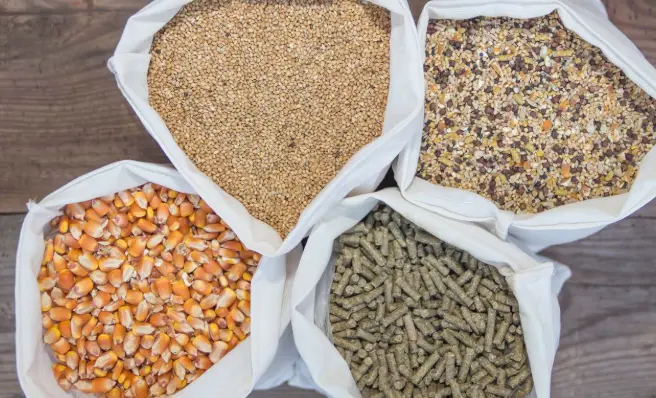
When you compare it to the old days, the difference is night and day. You need a durable solution that keeps out pests and prevents spills. A woven polypropylene feed bag does exactly that. The agricultural world relies on this lightweight yet incredibly tough armor. These feed bags offer unparalleled resistance to tearing, ensuring that you do not lose a single ounce of product. This durability means you save serious money on wasted goods.
How Do Polypropylene Bags Compare to Old-School Burlap Bags and Paper Bags?
For decades, farmers and factory workers lugged around heavy, dusty sacks made of natural fibers. Burlap bags were the industry standard. But they had major flaws. They easily rotted if they got damp, and they smelled awful over time. Then came multi-wall paper bags. While cheap, a paper bag easily bursts open if you look at it wrong. It absolutely hates rain.
In the modern era, woven polypropylene has taken the throne. Unlike burlap or paper, polypropylene bags do not rot, mold, or fall apart when exposed to a sudden drizzle. Some folks still ask about standard poly bags or thin polyethylene bags. While those are okay for holding a sandwich or a few retail items, they lack the structural grid needed for a 50-pound sack of grain. Even heavy cotton canvas cannot compete with the sheer muscle of a woven bag. Today's packaging applications demand something completely dependable.
Can You Order Custom Size Woven Polypropylene Bags for Your Brand?
Yes, absolutely. Marketing does not stop just because you are selling bulk commodities. When you order from a top-tier manufacture facility, customization is the name of the game. You want your brand to scream quality from the moment the truck arrives. With a custom woven polypropylene bag, you can tailor every single detail.
Do you need a specific color to match your company logo? No problem. A reliable supplier will provide your woven polypropylene bags in any color you can imagine. Through advanced BOPP (Biaxially Oriented Polypropylene) printing, your bag can feature stunning, photographic-quality graphics. You can easily add an instructional tag or detailed nutrition info right onto the bag. This custom approach ensures your product stands out in a crowded market. Plus, specifying the exact size saves material and reduces your overall price per unit.
What Grade of Woven Polypropylene Feed Packaging Do You Really Need?
Not all plastic is spun the same way. When you are dealing with animal nutrition or human consumables, the caliber of the material is incredibly important. You cannot just throw sensitive feed into any random container. You must use a strictly food-grade woven polypropylene feed sack. This ensures no toxic chemicals leach into the product.
A high-quality bag offers vital protection from moisture and airborne contaminants. The environment can be harsh. Humidity and pests are constant threats. Proper packaging seals out the bad elements and keeps the good stuff pristine. Whether you are storing it in a barn or a high-tech silo, the right grade keeps the contents safe and fresh.
Are Woven Polypropylene Bags the Best Solution for Bulk Handling?
When you scale up, individual 50-pound feed bags just will not cut it. You need a massive solution. This is where large bulk bags, also known as Flexible Intermediate Bulk Containers (FIBCs), change the game entirely. Imagine moving a ton of seed in one swift motion. A woven polypropylene bag designed for bulk can safely lift anywhere from 1,000 to 4,000 pounds.
Using industrial bulk bags for agriculture streamlines your entire operation. A forklift easily grabs the loops, seamlessly moving the container onto a sturdy pallet. This dramatically cuts down on manual labor and speeds up your facility workflow. For any serious distributor, utilizing big bulk packaging is the most efficient way to manage heavy quantity loads without breaking a sweat.
How Does Woven Polypropylene Manufacture Achieve Ultimate Strength and Durability?
It all starts at the molecular level. Extruders melt down the raw PP (polypropylene) resin and stretch it into flat tapes. These strong tapes are then loaded onto massive circular looms. The machines tightly interlace the tapes under high tension. This grid-like pattern gives the bag its legendary strength and durability.
If a sharp object pokes the bag, the interlaced tapes stop the tear from spreading. This is why FIBC Bulk Bags 1000kg Packing for Granule Stone Fertilizer rely heavily on this woven fabric. A consistent manufacturing process ensures every single bag meets a rigorous specification. When you engineer a bag to handle stress, the result is a long-lasting, heavy-duty carrier that will not let you down.
Why Does the Agriculture Industry Rely on Woven Polypropylene for Seed and Grain?
Farming is an unforgiving industry. Crop yields depend heavily on keeping seed and grain perfectly safe until planting or processing time. The agriculture sector absolutely relies on a dependable woven polypropylene feed sack to get the job done right. These bags breathe just enough to prevent condensation, but they remain tough enough to block out dirt.
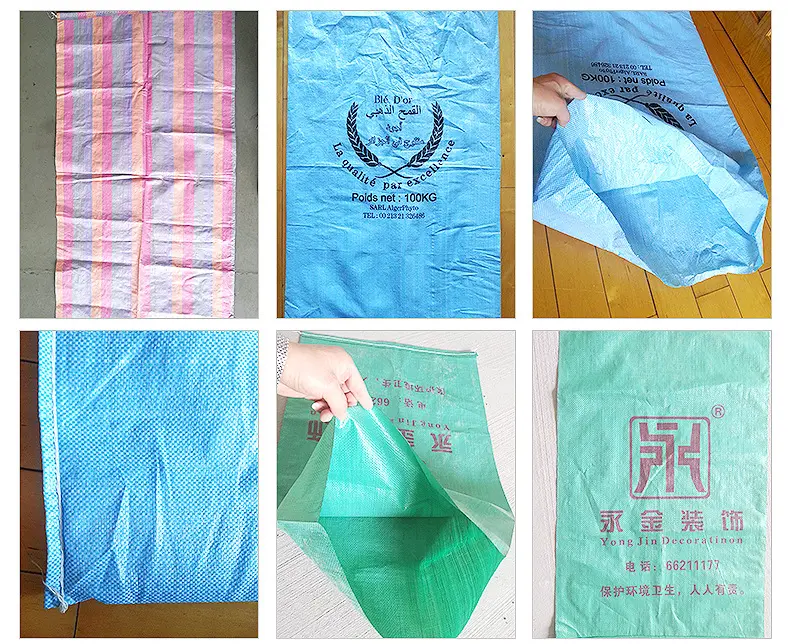
Temperature fluctuations in a warehouse can ruin a harvest if the packaging fails. A woven bag stands up to extreme heat and bitter cold. This versatile packaging adapts to the environment beautifully. Whether you are dealing with premium corn or specialized poultry nutrition, the bag acts as a reliable fortress for your agricultural investments.
What Size Woven Polypropylene Bag Works Best for Industrial Applications?
The beauty of this material is its sheer adaptability. There is a huge demand for a wide variety of dimensions. You can find these bags in a variety of styles and sizes. For local flood control or basic construction needs, small sand bags made of woven polypropylene are absolutely perfect. They are easy to stack and incredibly tough.
For larger tasks, industrial bags are crucial. If you are packing hazardous chemicals or fine powders, you might need a PP Woven Jumbo Bag Baffle Formed Liner to keep the bag perfectly square and stable. A square container is much safer to stack than a bulging round one. Determining the perfect size simply depends on your specific industrial application and exactly how much quantity you need to move at one time.
How Do You Optimize Shipping and Storage with Woven Polypropylene?
Space is money. In any warehouse or shipping and storage yard, you must maximize every square inch. A woven polypropylene bag stacks beautifully. Because they do not slide around like smooth plastic, you can build a stable, towering pallet of feed easily.
This structural consistency is vital for storage applications. A well-stacked pallet means trucks can pack more cargo safely, dropping your transportation costs. A strong bag is built for the rough world of commercial distribution. You can even utilize 1 Ton Jumbo FIBC Liner Bags to keep the interior perfectly dry while maximizing space. Having a reliable supply of these bags keeps the whole supply chain moving smoothly.
What Closure Methods Keep Your Woven Polypropylene Feed Secure?
A bag is only as strong as its weakest point, which is usually the top opening. How you seal the bag matters. For a standard 50lb feed bag, a durable sewing stitch is the most common closure. It is fast, cheap, and very secure.
For a massive bulk bag, you might use a duffle top or a specialized spout that ties tightly with a durable cord. This ensures the woven polypropylene feed does not leak out during transit. Because the bag fabric is so strong, many of these bags are used repeatedly. A reusable bag offers fantastic long-term value. You simply untie the cover, empty the contents, and fold the bag away for next time. Proper closure techniques guarantee your payload remains totally protected from the factory floor to the final farm.
The Most Important Things to Remember
- Unmatched Toughness: A woven polypropylene bag offers extreme resistance to tearing, vastly outperforming old paper bags and rotting burlap bags.
- Customization: You can easily order a custom size and color, featuring high-quality BOPP printing to perfectly display your brand logo and product tag.
- Bulk Efficiency: Utilizing large FIBC bulk bags drastically speeds up handling and pallet loading, saving huge amounts of time and manual labor.
- Agricultural Champion: The agriculture industry completely relies on these bags to keep vital seed, grain, and feed safe from the harsh environment.
- Cost-Effective: Because they are lightweight, incredibly strong, and highly reusable, these bags offer the lowest total price for reliable packaging applications.
Post time: May-28-2026