A busy construction site is a symphony of movement, heavy machinery, and massive quantities of raw materials. In this chaotic environment, efficiency and safety are paramount. One unsung hero that has revolutionized how construction companies operate is the humble jumbo bag. These robust containers have replaced traditional, labor-intensive methods of moving aggregates and debris, offering a streamlined solution for the modern construction industry.
Understanding the full potential of these bags is crucial for any project manager or procurement officer looking to optimize their construction project. Far from being simple sacks, these highly engineered packaging solutions provide a secure, cost-effective, and efficient way to handle everything from fine cement powder to coarse gravel. This article explores the transformative impact of bags in construction and why they are the preferred choice for logistics professionals worldwide.
What is the Role of Jumbo Bulk Bags in the Construction Sector?
At its core, a jumbo bag, often referred to in the industry as an FIBC (Flexible Intermediate Bulk Container) or a big bag, is a large standardized container designed for storing and transporting bulk products. Bags are made from woven polypropylene fabric, a material chosen for its exceptional strength-to-weight ratio. The role of jumbo bags in construction is multifaceted; they act as storage units, transport vessels, and waste disposal containers all in one.
Unlike rigid containers, fibc jumbo bags are flexible. This means they can be folded flat when empty, occupying minimal storage space. When filled, they transform into stable cubes or cylinders capable of holding up to several tons of material. Construction companies rely on them because they bridge the gap between small 25kg manual handling sacks and massive bulk truckloads. They allow for the precise delivery of construction materials to specific areas of a site, often unreachable by large dump trucks.
The versatility of these bags is unmatched. Whether it is lifting sand to the fifth floor of a high-rise or creating temporary barriers for flood control, the jumbo bag is an adaptable tool that solves logistical headaches.
How Do Jumbo Bags Facilitate the Storage and Transport of Bulk Materials?
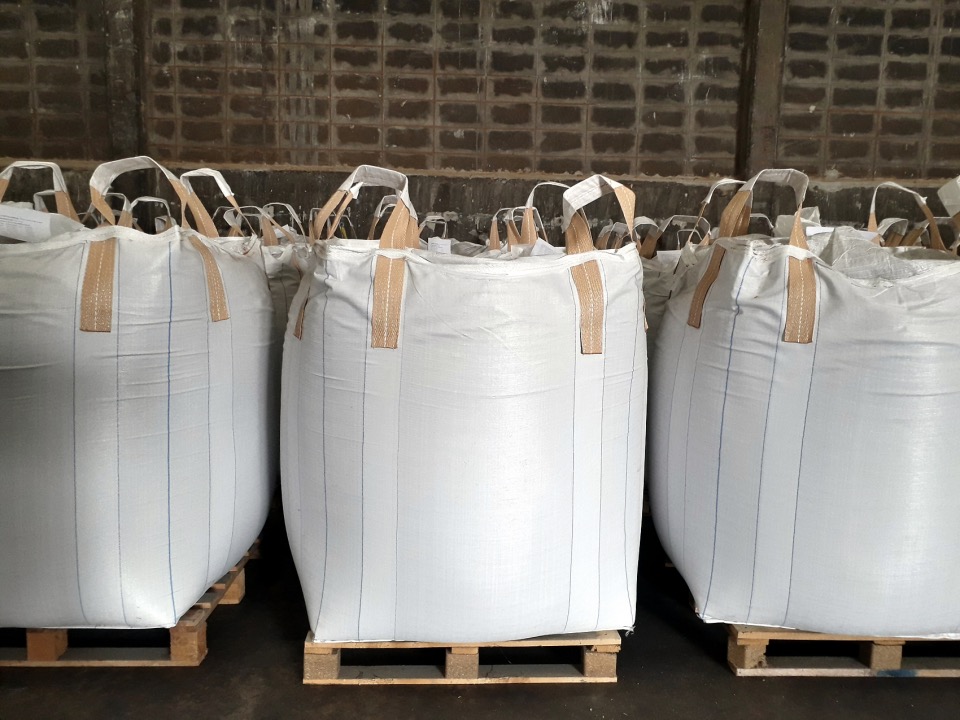
The primary function of any packaging in construction is to store and transport materials safely. Jumbo bulk bags excel at this. Transporting bulk materials like sand, topsoil, or decorative stones can be a logistical nightmare if handled loosely. Loose piles are subject to weather erosion, theft, and contamination.
Using bulk bags changes this dynamic completely. Bags ensure that materials are contained and protected. Bags are designed with lifting loops—typically four corner loops—that allow them to be easily maneuvered by forklifts or cranes. This mechanical handling capability significantly speeds up the loading and unloading process. A single forklift operator can move tons of material in minutes, a task that would take a manual crew hours.
Furthermore, storage and transport become safer. The bags provide a stable footprint. When filled correctly, many types of jumbo bags are stackable, allowing for better utilization of vertical space in warehouses or on cramped city construction sites. This efficient solution minimizes the footprint of raw materials, keeping the site organized and reducing trip hazards.
Why are FIBC Bags the Ideal Packaging Solution for Gravel and Cement?
Different materials require different handling characteristics. Gravel and cement represent two ends of the spectrum in construction—one is coarse and abrasive, the other is fine and moisture-sensitive. FIBC bags are engineered to handle both effectively.
For gravel and sharp aggregates, durability is key. Bags are made from woven polypropylene which is incredibly tough. The woven polypropylene structure prevents tears from propagating. If a sharp stone punctures the fabric, the weave holds together, preventing a catastrophic spill. This durability is essential when hoisting tons of rock over a worksite. We offer specialized FIBC Bulk Bags 1000kg Packing for Granule Stone Fertilizer that are perfect for these abrasive materials.
For cement and fine powders, the challenge is moisture and leakage. Standard FIBCs can be equipped with liners or coated fabrics (laminated). These packaging solutions protect the cement from dampness, ensuring it doesn't set before it's used. Additionally, the bags offer sift-proof seams to prevent the fine powder from puffing out during transport. PP Woven Sling Pallet Jumbo Bags are specifically designed to hold multiple small sacks of cement or bulk cement safely, streamlining the supply chain.
What are the Main Benefits of Using Jumbo Bags for Construction Companies?
The benefits of using jumbo bags extend beyond simple containment. For construction companies, the adoption of these bags translates directly to the bottom line.
- Cost-Effective: Jumbo bags are ideal for reducing costs. They are relatively inexpensive to manufacture compared to rigid bins or pallets. Furthermore, by reducing the need for thousands of small plastic sacks, companies save on packaging costs and labor.
- Safety: Manual handling of heavy materials is a leading cause of injury on construction sites. By using cranes or forklifts to transport bulk loads, the physical strain on workers is removed. Bags reduce the risk of back injuries and accidents associated with manual lifting.
- Waste Reduction: Bags also help in minimizing waste. You can order the exact amount of material needed for a specific construction project in a bulk bag, rather than over-ordering loose loads that get scattered and lost.
- Cleanliness: Safe storage in bags keeps the site clean. There is no runoff of sand into drains during rain, helping companies comply with environmental regulations.
The advantages of jumbo bags make them an indispensable asset for any construction sector business aiming for efficiency and safety.
How Can Different Types of Jumbo Bags Be Used for Construction Waste?
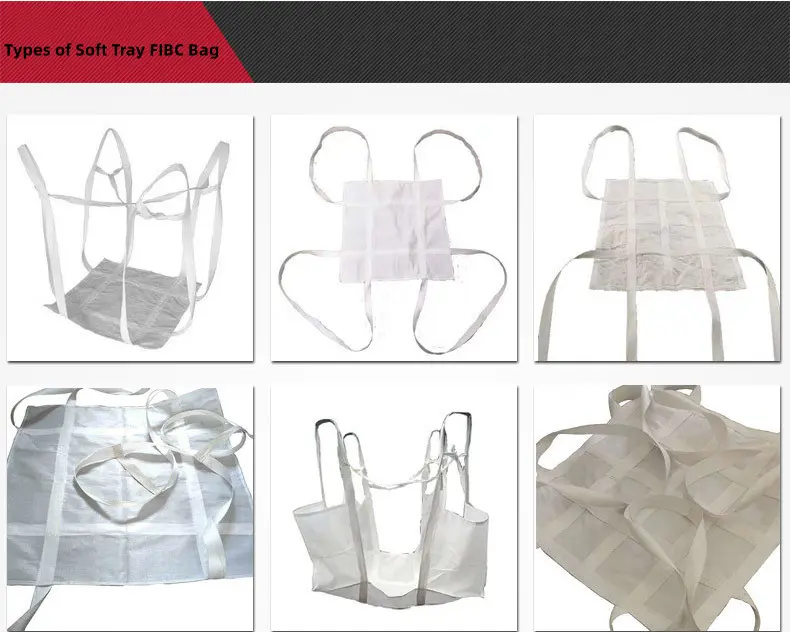
Managing construction waste is a massive challenge. Debris, broken tiles, hazardous materials like asbestos, and general rubble need to be removed efficiently. Jumbo bulk bags are increasingly being used as "skip bags."
Unlike a traditional metal skip, a jumbo bag can be kept folded in a truck until needed. Once filled with construction waste, it can be collected by a truck with a crane arm (hiab). This is particularly useful in residential areas where leaving a metal skip on the road requires permits and space.
Specific types of jumbo bags are manufactured for this purpose. They are often rated with a higher safety factor (e.g., 6:1) to ensure they can withstand the rough nature of debris. 1ton 2ton 500kg PP bulk bag for For Construction Waste are designed specifically to resist punctures from sharp tiles or rebar. Using these bags allows for the segregation of waste streams (e.g., wood in one bag, rubble in another) right at the source, aiding in recycling and sustainability efforts.
What Durability Features Allow These Bags to Withstand Harsh Sites?
A construction site is an unforgiving environment. Packaging must be able to survive exposure to UV sunlight, rain, mud, and rough handling. Jumbo bags are designed with these realities in mind.
The polypropylene used in these bags is usually treated with UV inhibitors. Without this treatment, the plastic would degrade and become brittle after a few weeks in the sun. High-quality FIBC bags can remain outdoors for extended periods while maintaining their structural integrity.
Furthermore, the lifting loops are reinforced. They are often woven into the body fabric or stitched with heavy-duty webbing to ensure they don't rip under the load. Bags can be used to lift heavy loads of up to 2 tons safely because of this robust construction. The durability of flexible intermediate bulk containers provides peace of mind to site managers who know their materials are secure.
How Do Logistics and Handling Change with Bulk Containers?
The shift to bulk container usage fundamentally alters site logistics. It moves the workflow from manual to mechanical. This requires some planning but yields high rewards. Logistics managers must ensure that the site has the appropriate equipment, such as a forklift or a crane, to handle the bags.
However, the advantages of jumbo handling are clear in the speed of operations. A truck carrying palletized jumbo bags can be unloaded in a fraction of the time it takes to unload loose material or small sacks by hand. Storage and transportation become a fluid process.
For storing and transporting bulk liquids or semi-liquids (like sludge), specialized bags with liners are used. The adaptability of the fibc means that almost any material found on a site can be managed with the right type of jumbo bag. This capability to store and transport diverse materials streamlines inventory management and reduces the clutter of having multiple different storage systems.
Are FIBC Jumbo Bags a Sustainable Choice for Construction?
Sustainability is a growing concern in the construction industry. While jumbo bags are made from polypropylene, a plastic, they are considered a more sustainable option than many alternatives due to their reusability and recyclability.
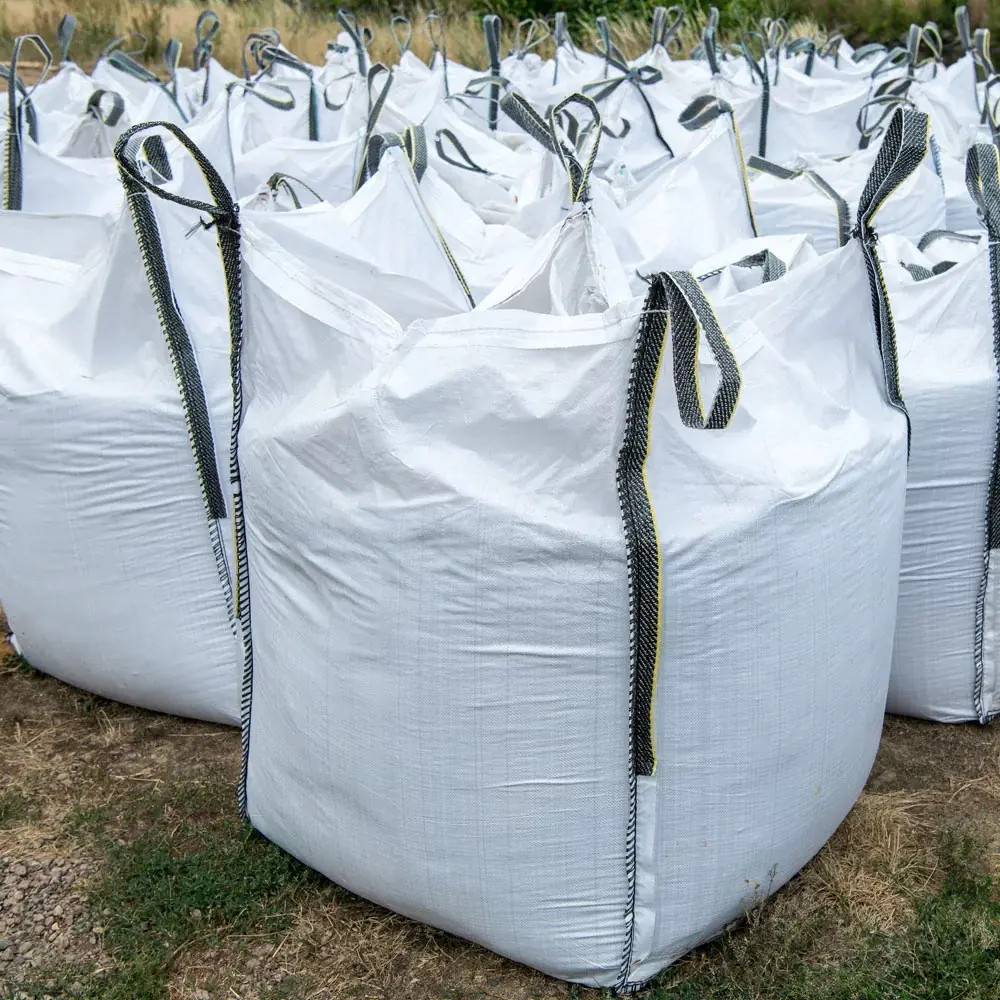
Many fibc jumbo bags are designed with a safety factor that allows for multiple trips (Safety Factor 6:1). A bag used to deliver sand can be emptied, folded, and returned to the supplier or reused on-site for collecting waste. This reusability significantly lowers the environmental footprint compared to single-use paper or plastic sacks.
Furthermore, at the end of their life, pp bulk bags are 100% recyclable. They can be processed and turned into new plastic products. By reducing the need for excessive packaging and enabling efficient transport (which saves fuel), bags provide a greener solution for your construction logistics. 1 Ton Jumbo FIBC Liner Bags can also prevent soil contamination, further protecting the environment.
Summary of Key Advantages
- Versatility: Capable of handling aggregates, powders, and waste.
- Efficiency: Speeds up loading and unloading via mechanical handling.
- Cost Savings: Reduces labor costs and need for multiple small packages.
- Space Saving: Foldable when empty, stackable when full.
- Safety: Minimizes manual lifting and creates a cleaner worksite.
- Durability: Engineered to withstand heavy loads and harsh weather.
- Sustainability: Reusable and recyclable packaging solutions.
The jumbo bag is more than just a container; it is a vital component of modern construction infrastructure. Whether you are building a skyscraper or a driveway, integrating fibc technology into your logistics plan is a smart move.
Post time: Jan-16-2026