As homeowners look for more practical ways to manage heavier rainfall, reduce garden maintenance and replace hard, impermeable surfaces, demand for 1 tonne bags of stones is rising across landscaping and garden improvement projects.
The shift is being driven by growing interest in permeable gardens, a design approach that allows rainwater to soak naturally into the ground rather than running off into drains. Garden design publication Livingetc recently identified “permeability” as one of the defining garden trends of 2026, noting that materials such as gravel, natural stone and loose aggregates can help outdoor spaces absorb water more effectively.
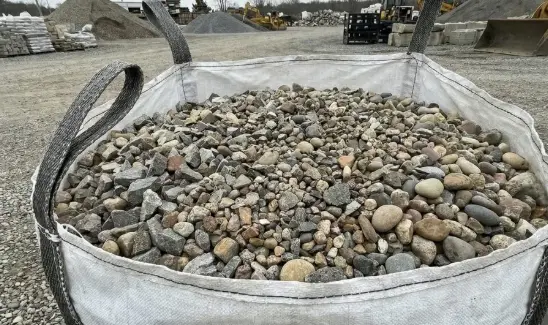
For homeowners, this has turned the humble bulk bag of stones into a practical landscaping solution. A 1 tonne bag of stones can be used for gravel driveways, garden paths, decorative borders, drainage areas, seating spaces and low-maintenance planting schemes. Compared with solid concrete or asphalt, loose stone surfaces allow water to pass through when installed over a suitable base.
The trend is also linked to planning and drainage concerns. In England, Planning Portal guidance states that homeowners generally do not need planning permission for a new or replacement front-garden driveway if it uses permeable surfacing such as gravel, permeable block paving or porous asphalt, or if rainwater drains naturally into a lawn or border. Traditional impermeable driveways over five square metres may require permission.
Gravel gardens are gaining attention beyond the UK as well. AP News reported in March 2026 that gravel-based garden beds are being used to improve drainage, reduce runoff, suppress weeds and support heat-resilient planting. The approach is especially popular with drought-tolerant and native plants, which can thrive in free-draining conditions once established.
For suppliers, the trend creates opportunities around decorative aggregates, driveway gravel, slate chippings, pea gravel, limestone, granite and other garden stones sold in bulk bags. For consumers, buying a 1 tonne bag is often more convenient and cost-effective than purchasing dozens of smaller bags, especially for medium-sized garden or driveway projects.
Coverage depends on stone size, density and laying depth, but a tonne bag can often cover a meaningful area for paths, borders or gravel beds. Landscapers typically advise buyers to check the exact weight, stone type and recommended depth before ordering.
As climate-conscious garden design becomes more mainstream, stones are moving from a purely decorative material to a functional part of water-sensitive landscaping. For many homeowners, a 1 tonne bag of stones now offers a simple route to a garden that is cleaner underfoot, easier to maintain and better prepared for heavy rain.
Post time: Jul-09-2026