I’m the owner of a factory here in China with seven production lines dedicated to making high-quality big bags and liners. For years, I’ve been exporting our products to partners in the USA, Europe, and Australia. I’ve had countless conversations at exhibitions and over video calls with business owners and procurement officers, people just like Mark Thompson in the USA, who are sharp, decisive, and looking for a reliable supply chain. A question that comes up time and time again is: "Allen, what is the real difference between woven and non-woven polypropylene bags?" It’s a great question because the answer directly impacts durability, cost, and suitability for your specific product.
This article is my answer. I want to pull back the curtain and give you a factory-floor perspective on these two remarkable materials. We will go beyond simple definitions and explore how they’re made, their unique strengths and weaknesses, and which applications they excel in. If you’ve ever felt unsure about which type of bag to choose, worried about quality, or simply wanted to understand the products you’re buying on a deeper, more technical level, then this guide is for you. We’ll break down everything you need to know to make an informed, confident purchasing decision.
What is Polypropylene (PP) and Why is it Used for Bags?
Before we compare woven and non-woven, let’s start with the base material itself: polypropylene, or PP. Polypropylene is a type of thermoplastic polymer. That might sound complex, but think of it simply as a type of plastic that becomes soft and moldable when heated and solidifies when cooled. This property makes it incredibly versatile for manufacturing. It was first polymerized in 1951 and became widely available for commercial use by the late 1950s. Today, it’s one of the most produced plastics in the world.
So, why is PP the go-to material for products ranging from industrial bulk bags to the reusable tote you get at the grocery store? There are several key reasons. First, it has a high melting point, which makes it suitable for applications where it might be exposed to heat. Second, it’s resistant to many chemical solvents, bases, and acids, a critical feature for our clients in the chemical and agricultural industries. Third, and perhaps most importantly for packaging, it’s incredibly tough and resistant to fatigue. This means it can be bent, stretched, and loaded repeatedly without breaking, providing excellent durability.
Finally, PP is lightweight and relatively low-cost to produce. This combination of strength, resilience, and affordability makes it an ideal packaging solution. Whether we are creating a massive one-ton FIBC (Flexible Intermediate Bulk Container) or a simple shopping bag, the foundational polypropylene fabric provides the performance our customers demand. It’s a reliable, hardworking material that forms the backbone of the bulk packaging industry.
How Are Woven Polypropylene (PP) Bags Manufactured?
Now, let’s get into the "woven" part of woven polypropylene bags. The manufacturing process is fascinating and is what gives these bags their incredible strength. It all starts with raw PP resin pellets. These pellets are melted down and extruded into thin, flat tapes or threads. Imagine squeezing toothpaste out of a tube, but on a massive, industrial scale, creating thousands of long, strong strands of plastic.
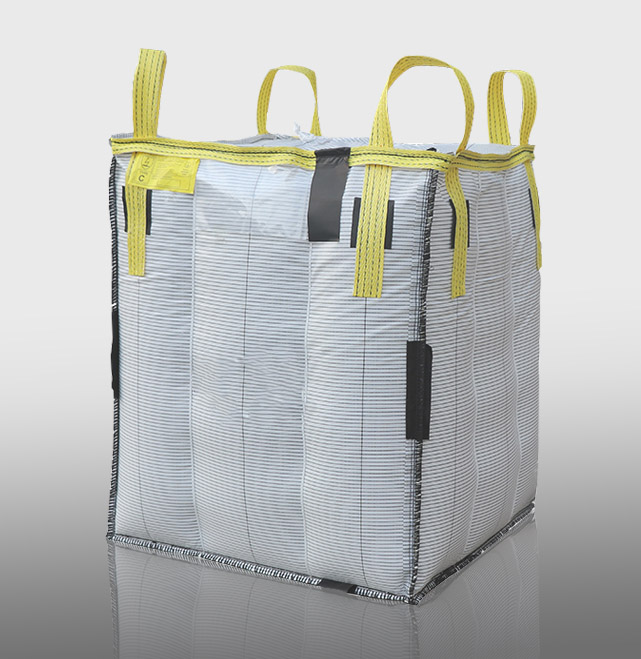
These PP threads are then loaded onto massive circular looms. This is where the magic happens. The looms perform a process of weaving together these individual threads, interlacing them in a perpendicular, crisscross pattern—much like how traditional textiles like cotton or denim are made. This process creates a single, unified sheet of woven fabric. The tight, interlocking woven structure is what gives the woven bag its signature strength and resistance to tearing. If you look closely at a pp woven bag, you can see the individual threads running in a grid-like pattern.
This woven material is then cut to size and stitched to form the final bag. Because the threads are interlocked, the stress from a heavy load is distributed evenly across the entire fabric, preventing localized failures. This is what makes woven bags so robust and why they are the undisputed choice for heavy-duty applications. From fertilizer and grain to sand and cement, the strength and durability of a woven bag are unmatched for bulk material handling.
What Makes a Non-Woven Polypropylene Bag Different?
If woven bags are made like traditional textiles, how are non-woven polypropylene bags made? The name gives you a clue: there is no weaving or knitting involved. Instead of creating threads and weaving them on a loom, the process for creating non-woven fabric is fundamentally different. It starts the same way, with PP resin being melted. However, instead of being formed into threads, the molten plastic is spun into a web of fine, long filaments.
These filaments are then laid out on a conveyor belt to form a soft, fibrous sheet. The final and most crucial step is bonding. These individual fibers are bonded together using heat and pressure. Essentially, the fibers are fused together at their intersections, creating a solid, sheet-like durable fabric. You can think of it like making felt, where loose fibers are matted together to form a cohesive material. Because the bags are bonded together instead of woven, the resulting fabric has a smooth, soft texture without the grid pattern of a woven bag.
This manufacturing process makes non-woven polypropylene faster and cheaper to produce than its woven counterpart. While a non-woven bag doesn’t have the same immense tensile strength as a pp woven bag, it still offers good durability and is much stronger than traditional paper or single-use plastic bags. This makes non-woven polypropylene bags an excellent choice for promotional items, grocery tote bags, and other applications where extreme load-bearing capacity isn’t the primary concern but reusability and a premium feel are desired.
Key Differences: Woven vs. Non-Woven Polypropylene at a Glance
For a decisive business owner like Mark, a quick, clear comparison is often the most helpful tool. To summarize the key differences between woven and non-woven PP bags, I’ve put together this table. It breaks down the core attributes I discuss with my clients every day.
| Feature | Woven Polypropylene (PP) Bags | Non-Woven Polypropylene (PP) Bags |
|---|---|---|
| Manufacturing | PP threads are woven together on a loom in a crisscross pattern. | PP fibers are spun into a web and then bonded together using heat and pressure. |
| Strength | Extremely high tensile strength and puncture resistance. Ideal for heavy loads. | Good strength, but less than woven. Not suitable for very heavy, sharp materials. |
| Texture | Coarse, grid-like texture where individual threads can be seen. | Soft, smooth, cloth-like feel. No visible pattern. |
| Cost | Generally more expensive to produce due to the weaving process. | More cost-effective and faster to manufacture. |
| Primary Use | Industrial packaging: agriculture, construction, mining, shipping (e.g., FIBCs, bulk bags). | Consumer goods: reusable shopping bags, promotional tote bags, garment bags. |
| Printability | Good, but the textured surface can be challenging for highly detailed graphics without lamination. | Excellent. The smooth surface is perfect for high-quality, detailed printing. |
| Durability | Exceptionally durable and built for repeated, rigorous use with heavy materials. | Durable for everyday use and can be reused many times, but not for industrial stress. |
| Water Resistance | Naturally water-resistant, but can be made fully waterproof with a laminate coating or an inner liner. | Offers some water resistance, but is more breathable than woven PP. |
Understanding these key differences is the first step in choosing the right packaging solution for your needs. It’s not about one being "better," but about which one is better for the job.
Which is Stronger? A Deep Dive into Strength and Durability
This is often the most critical question for my B2B clients. When you’re dealing with a ton of grain or expensive chemical powders, "strong enough" isn’t good enough—you need a guarantee of performance. When it comes to raw tensile strength, the winner is clear: woven polypropylene. The interlocking structure of woven fabric is the key. Every thread supports the ones around it, distributing weight and stress across the entire surface of the bag. This makes it incredibly difficult to tear or puncture. If a sharp object does create a hole, the weave helps prevent the tear from propagating further. This is why our heavy-duty Jumbo bag top spout bottom 4 Point lift handling are always made from high-grade woven pp fabric.
However, that doesn’t mean a non-woven bag is weak. For their intended purpose, non-woven polypropylene bags are bonded in a way that provides substantial durability. They can easily handle a load of groceries, books, or promotional materials without any issue. A well-made non-woven tote can be used hundreds of times, making it a far more durable option than paper or thin plastic bags. The confusion often arises when comparing them for the wrong application. You wouldn’t use a grocery tote to haul 50kg of gravel, just as you wouldn’t use an industrial FIBC to carry your lunch.
The "strength" of a bag is relative to its job. For industrial bulk transport, the unparalleled strength and durability of woven PP bags are non-negotiable. For consumer-facing applications, non-woven bags offer a perfect blend of strength, aesthetics, and cost-effectiveness. As a manufacturer, we rigorously test both types of pp bags to ensure they meet specific weight and stress-test certifications, so our clients know exactly what performance to expect.
Are Woven and Non-Woven Bags an Eco-Friendly Choice?
In today’s market, sustainability is more than a buzzword; it’s a core business consideration. Many of my clients in Europe and North America are under pressure to adopt more environmentally friendly practices. So, how do polypropylene bags fit into this picture? Both woven and non-woven bags are considered an eco-friendly choice, primarily because of their reusability and recyclability.
The biggest environmental benefit is their role in replacing single-use plastic bags. A single durable non-woven tote can replace hundreds, if not thousands, of flimsy disposable bags over its lifespan. Similarly, woven PP bags used for agriculture or construction are often used multiple times for transport and storage, significantly reducing packaging waste compared to single-use sacks or containers. This reusability is the most powerful aspect of their green credentials.
Furthermore, polypropylene (PP, recycling code #5) is a recyclable plastic. While recycling infrastructure varies by region, many facilities can process and repurpose PP into new products like car parts, storage bins, and synthetic fibers. From a manufacturing standpoint, the process for creating pp woven bags and non woven bags also generates less waste compared to other materials. I often remind my clients that choosing a high-quality, durable material that lasts is one of the most effective forms of sustainability. A bag that doesn’t fail prevents product spillage and waste, and a bag that can be used again and again is the essence of a circular economy.
What are the Ideal Applications for a Woven Bag?
The high-strength, puncture-resistant nature of woven polypropylene makes it the go-to material for a wide range of industrial and bulk-handling applications. In my years of manufacturing, I’ve seen woven bags made for virtually every heavy industry. These bags are perfect for containing and transporting granular or powdered materials.
Here are the primary sectors that rely on woven polypropylene bags:
- Agriculture: This is a huge market for us. Woven bags are used for seeds, grains (wheat, corn, rice), animal feed, and fertilizers. Their strength prevents loss from tearing, and when paired with a liner, they protect valuable commodities from moisture.
- Construction and Mining: Materials like sand, gravel, cement, and minerals are heavy and abrasive. Standard bags would tear instantly. Woven PP bags, especially large FIBCs, are the only practical packaging solution for safely lifting and moving these materials around a job site or shipping them globally.
- Chemical Industry: For transporting powdered or pelletized chemicals, resins, and detergents, woven bags are essential. We can manufacture them with special coatings or liners, like our PP Woven Jumbo Bag Baffle Formed Liner, to prevent chemical reactions and protect the contents from contamination.
- Bulk Food Shipping: Products like sugar, salt, flour, and coffee beans are often shipped in large quantities. Food-grade woven PP bags ensure the product remains safe and secure during long-distance transit. We even produce specialized 20FT Dry Bulk Container Liners made from this material to turn standard shipping containers into efficient bulk transport vessels.
In short, whenever you need to package a product that is heavy, bulky, or requires maximum protection and security, a woven bag is almost always the right answer.
When is a Non-Woven Bag the Right Packaging Solution?
While woven bags are the workhorses of industry, non-woven polypropylene bags are the stars of the retail and promotional world. Their soft feel, excellent printability, and lower cost make them the ideal platform for branding and consumer use. The bags are often seen as a value-add for the customer, a step up from disposable packaging.
Here are the most common applications for non-woven bags:
- Retail and Shopping Bags: This is the most visible use. Supermarkets, department stores, and boutiques offer reusable bags made from non-woven fabric. They are strong enough for weekly groceries, are a great alternative to traditional plastic bags, and act as a mobile advertisement for the brand.
- Promotional Tote Bags: At trade shows and exhibitions—where I meet many of my customers like Mark—companies hand out non-woven tote bags filled with literature. The smooth surface allows for vibrant, detailed logos, making them a popular and effective marketing tool.
- Garment Bags: The breathable nature of the non-woven material makes it suitable for simple garment bags, protecting clothing from dust while allowing air to circulate.
- Eco-Friendly Packaging: For businesses selling organic products or wanting to project a green image, offering a reusable non-woven fabric bag instead of plastic is a powerful brand statement. The eco-friendly bag aligns with consumer values.
The key is that non-woven bags offer a premium look and feel at an affordable price. When your goal is to provide a stylish, reusable packaging solution directly to a consumer, the non-woven bag is the superior choice.
How Does Lamination Impact Woven and Non-Woven PP Bags?
Lamination is a finishing process that adds significant value to both woven and non-woven polypropylene bags. It involves bonding a thin layer of PP film to the surface of the fabric. This layer acts as a protective shield and enhances the bag’s properties in two main ways: protection and printability.
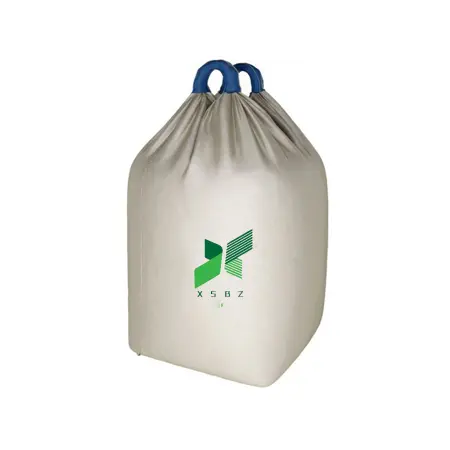
For woven polypropylene bags, lamination is crucial for two reasons. First, it provides a barrier against moisture. While the weave itself is dense, it’s not fully waterproof. A laminate coating seals the tiny gaps between the threads, making the bag highly water-resistant and protecting moisture-sensitive contents like cement or certain chemicals. Second, it creates a smooth surface for high-quality printing. A standard woven bag has a rough texture, but a laminated bag can be printed with complex, photo-realistic images, which is great for branding.
For non-woven bags, the process creates what are called laminated non-woven pp bags. While a standard non-woven tote already has a smooth surface, lamination adds a glossy or matte finish that makes the colors pop and gives the bag a more rigid, premium structure. It also significantly increases the bag’s durability and water resistance, making it even more robust for daily use. A laminated non-woven tote is the top-of-the-line option for reusable shopping bags.
Choosing Between Woven and Non-Woven: A Buyer’s Final Checklist
As a procurement officer or business owner, making the final decision comes down to your specific needs. When I talk to a new client, I walk them through a series of questions to ensure we select the perfect packaging solution. Here is a checklist you can use to guide your own decision-making process:
-
What is your product?
- Heavy, granular, or sharp? (e.g., sand, gravel, metal parts): Choose Woven PP. You need maximum tensile strength and puncture resistance. A Two loop bulk container bag 1000kg is an excellent example of a strong, efficient design for this.
- Lightweight consumer goods? (e.g., groceries, promotional items, clothing): Choose Non-Woven PP. Strength is sufficient, and the aesthetics are superior.
-
What is the required weight capacity?
- Over 25 kg (55 lbs) and up to 2000 kg (4400 lbs): Definitely Woven PP. This is the domain of FIBCs and industrial sacks.
- Under 25 kg (55 lbs): Non-Woven PP is typically more than adequate and cost-effective.
-
How important is print quality?
- Basic logo and text are fine: Standard Woven or Non-Woven PP will work.
- Need high-resolution, photo-quality graphics: Choose a laminated option for either woven or non-woven. The smooth surface is essential for detailed printing.
-
Is moisture protection critical?
- Yes, my product must stay dry (e.g., cement, certain foods, chemicals): You need a laminated woven bag or a woven bag with a separate polyethylene liner.
- No, basic dust protection is enough: Standard non-woven or unlaminated woven bags are suitable.
-
What is your budget?
- Looking for the most cost-effective option for consumer-facing bags: Non-Woven PP is the leader.
- Performance and safety are the top priority, and budget is secondary: Woven PP is the necessary investment for industrial applications.
By answering these questions, the choice between woven or non-woven becomes clear. It’s a pragmatic decision based on application, performance, and budget. My job as a manufacturer isn’t just to sell polypropylene bags; it’s to ensure my partners get the right bag that protects their product, represents their brand, and provides the best possible value.
Key Takeaways to Remember
Choosing between woven and non-woven polypropylene is a critical decision that impacts your product’s safety, your brand’s image, and your bottom line. As we’ve explored, it’s not a matter of one being universally better, but of matching the right material to the right job.
- Manufacturing is the Key: Woven PP is made from interlaced threads, giving it superior strength. Non-woven PP is made from fibers bonded by heat and pressure, making it smooth and cost-effective.
- Strength vs. Aesthetics: Choose woven polypropylene bags for heavy-duty industrial applications where strength and durability are paramount. Choose non-woven polypropylene bags for consumer-facing uses like tote bags, where aesthetics and printability are more important.
- Match the Bag to the Product: Don’t use a non-woven bag for industrial materials, and don’t overpay for a woven bag when a non-woven one will do. Analyze your needs based on weight, protection, and branding.
- Lamination Adds Value: Lamination enhances both types of bags by adding moisture protection and creating a perfect surface for high-quality printing.
- Both are Eco-Friendly: The reusability and recyclability of both woven and non-woven bags make them a sustainable choice compared to single-use packaging.
Post time: Aug-07-2025