In the world of industrial logistics and retail packaging, "polypropylene" is a buzzword you hear every day. But for a procurement officer like Mark, or any business owner looking to store and transport goods efficiently, the real confusion often lies in the difference between woven and non-woven materials. While both start from the same polypropylene polymers, the way they are constructed changes everything about their performance, cost, and application.
As a factory owner running seven production lines dedicated to pp woven bags, I've seen firsthand how the wrong choice can lead to product loss or safety hazards. Conversely, selecting the right packaging solution can save thousands in logistics costs. This article dives deep into the key differences between woven and non-woven polypropylene bags, exploring the special features of the weave, the difference between pp types, and why woven polypropylene bags are the undisputed champions of heavy-duty transport.
What Exactly is Polypropylene and Why is it Used in Packaging?
Before we dissect the weave, we must understand the material itself. Polypropylene (often abbreviated as PP) is a thermoplastic polymer used in a staggering variety of applications, from automotive parts to textiles. Polypropylene is a type of plastic that is rugged, resistant to chemical solvents, bases, and acids, and remarkably tough.
Polypropylene is used extensively in packaging because it is lightweight yet strong. Whether we are talking about pp bags for groceries or giant woven pp sacks for mining, the material provides an excellent barrier against moisture and contamination. Polypropylene products are also favored because they are non-toxic and can be made food-safe, which is why bags are widely used in the agricultural sector. The crucial distinction, however, isn't the chemical makeup—it's the physical construction of the material, specifically whether it is woven or non-woven.
How Are Woven Polypropylene Bags Made and What is the Woven Structure?
The term "woven bag" describes the method of construction. Woven bags are made through a process that dates back centuries, modernized for plastic tapes. To create pp woven bags, we start by extruding polypropylene resin into thin sheets, which are then cut into long tapes or threads.
These tapes are then loaded onto circular looms. The weaving process involves weaving together these tapes in two directions: the warp (vertical) and the weft (horizontal). This creates an interlocking structure of woven fabric that provides exceptional inherent strength. This woven structure allows the bag to stretch slightly under load without breaking, known as tensile strength.
Woven polypropylene bags rely on this mechanical interlace. The weave acts like a net; even if one tape is stressed, the surrounding weave supports it. This is why woven bags are typically the go-to choice for industrial applications where heavy loads are the norm. The weave provides a physical integrity that other methods simply cannot match.
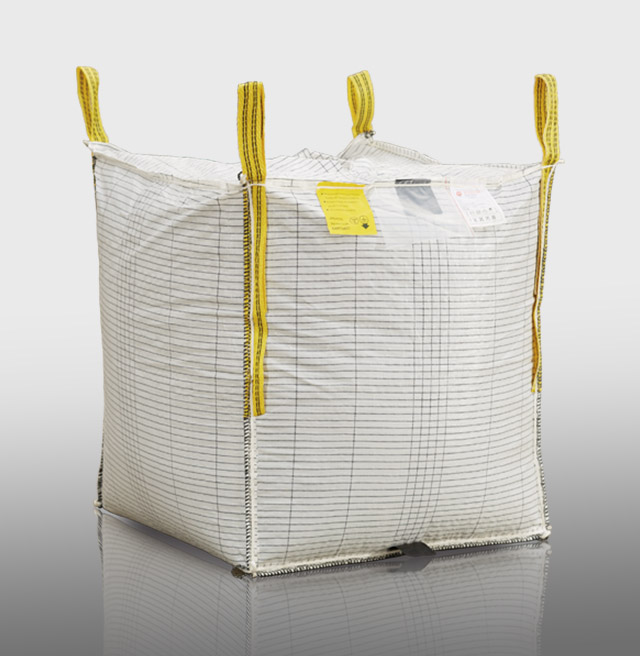
What Distinguishes Non-Woven PP from Woven Material in Manufacturing?
If woven bags are made by weaving, how is non-woven pp made? The difference is night and day. Non-woven bags are manufactured by bonding polypropylene fibers together. This can be done chemically, mechanically, or thermally (using heat). There is no weave, no warp, and no weft.
Instead of an orderly grid of tapes, non-woven fabric looks more like a web or a felt. The fibers are entangled or fused to create a sheet. Because there is no weave to hold it together under tension, non-woven pp generally has lower tensile strength than woven material. While bags made from this material are often smoother and look more fabric-like to the consumer eye, they lack the structural reinforcement of the weave.
You often see non-woven bags used as promotional tote bags. They are faster to produce in terms of sheet formation, but they cannot handle the rigors that woven pp bags are designed for. They are flexible than their woven counterparts but significantly weaker.
What Are the Key Differences in Durability Between Woven and Non-Woven Polypropylene Bags?
For a buyer like Mark, durability is the deciding factor. The difference between woven and non-woven durability is vast.
| Feature | Woven Polypropylene Bags | Non-Woven Polypropylene Bags |
|---|---|---|
| Structure | Interlaced weave (tapes) | Bonded fibers (thermal/chemical) |
| Tensile Strength | Extremely High | Low to Medium |
| Load Capacity | Can handle 50kg to 2000kg+ | Typically 5kg to 20kg |
| Tear Resistance | High (the weave stops tears) | Low (prone to tearing once punctured) |
| Longevity | Designed for reuse and rough handling | Limited lifespan, often single-use or light duty |
Woven polypropylene bags are engineered to survive. They store and transport abrasive materials like stones, sand, and sharp grains. The weave distributes weight evenly. In contrast, non-woven bags are less strong. If you put 50kg of fertilizer in a non-woven bag, the bottom would likely drop out the moment you lifted it. Bags are stronger when the integrity comes from the weave. Woven bags are made for industrial realities; non-woven bags are made for retail convenience.
How Does the Weave Density Impact the Performance of PP Bags?
In the realm of woven pp, not all bags are created equal. The quality often comes down to the weave. Specifically, the density of the weave. This is measured by the number of tapes per inch in the warp and weft directions (mesh).
A tighter weave (higher density) means more polypropylene tapes are packed into every square inch. This woven construction increases the bag's weight capacity and reduces its permeability. For example, when we manufacture heavy-duty bulk packaging, we utilize a very dense weave. This ensures that fine particles don't sift through the gaps and that the bag can lift massive weights without the weave separating.
Conversely, a looser weave might be used for products that need to breathe, like firewood or certain vegetables, though these are often specific "ventilated" woven bags. As a pp woven bags manufacturer, we adjust the weave settings on our looms to meet the specific packaging solution required by the client. The weave is the dial we turn to control strength.
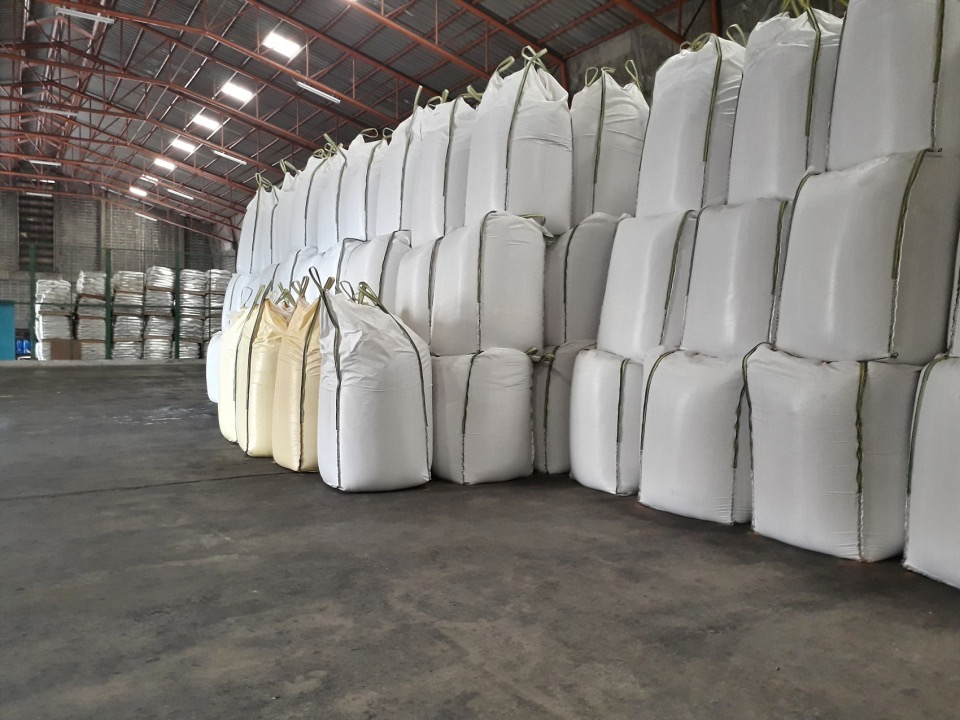
In Which Industries Are Woven Polypropylene Bags Most Widely Used?
Because of their strength, woven polypropylene bags have a wide range of applications. Bags are used essentially anywhere a large volume of material needs to be moved safely.
- Agriculture: Farmers use these bags for feeds, grains, seeds, and fertilizers. The weave allows for stacking and resists rodent damage better than paper or simple plastic. We often supply food-grade woven liners for soybeans and coffee beans.
- Construction: Bags used here hold sand, cement, debris, and rubble. The weave must be tough enough to resist puncturing from sharp rocks.
- Chemicals and Mining: This is where woven pp truly shines. For transporting hazardous materials, specific woven bags (like Type C) are required to prevent static discharge while holding tons of volatile powders.
- Flood Control: Sandbags are almost exclusively woven polypropylene. They need to last in wet conditions without rotting, which pp bags excel at.
Woven bags are widely used because they are reliable. When you are shipping across oceans, you cannot risk a bag bursting.
When Should You Choose Non-Woven Bags Over Woven Options?
Despite the dominance of woven pp in industry, non-woven bags have their place. Non-woven and woven bags serve different masters. Non-woven bags are cheaper than woven bags to produce in small, consumer-friendly formats.
You should choose non-woven bags if:
- The Load is Light: Clothing, groceries, trade show handouts.
- Aesthetics Matter More Than Strength: Non-woven fabric has a smoother texture that feels softer to the touch.
- Cost is the Primary Driver for Retail: For a giveaway item, the lower durability isn't an issue.
- Breathability (in specific medical contexts): Non-woven materials are used in masks and gowns, though these are different from packaging bags.
Bags are typically seen in grocery stores as reusable shoppers. They are "reusable" in the consumer sense, but they are not reusable bags in the industrial sense of carrying a ton of rock multiple times. Shopping bags and grocery bags benefit from the stiffness and printability of non-woven pp, but they are not built for the warehouse.
Can PP Woven Bags Be Reused and Are They Eco-Friendly?
Sustainability is a massive concern for my clients in Europe and North America. Polypropylene is fully recyclable. However, reuse is the highest form of recycling.
Woven polypropylene bags are the kings of reuse. Because the weave provides such high durability, a woven bag can be used, emptied, cleaned, and used again. Many of our industrial bulk bags are rated with a safety factor of 6:1, specifically designating them for multiple uses. Bags can withstand repeated handling that would shred a non-woven bag or a standard PE bag.
Furthermore, woven fabric resists rot and UV degradation (when treated), extending its lifecycle. Bags are also lightweight compared to the load they carry, which reduces fuel consumption during transport. When they finally reach the end of their life, the polypropylene can be melted down and recycled into new polypropylene products. Woven bags are an excellent choice for a circular economy model in B2B logistics.
How Do Customization Options Differ Between Woven and Non-Woven PP Bags?
Branding is vital. Bags offer a mobile billboard for your company.
- Woven Bags: Because of the texture of the weave, printing directly onto woven fabric can sometimes look pixelated if not done correctly. However, we solve this by using BOPP (Biaxially Oriented Polypropylene) lamination. We print high-resolution graphics onto a film and laminate it onto the woven bag. This gives you photographic quality on a heavy-duty sack. Bags provided with this lamination are stunning and rugged.
- Non-Woven Bags: The surface of non-woven fabric is inherently smoother. It takes screen printing very well for simple logos. Laminated non-woven pp bags are also common for full-color designs, similar to woven bags.
However, for industrial purposes, the woven bag with BOPP lamination is the superior packaging choice because it combines the marketing appeal with the necessary structural integrity of the weave.

What Factors Should You Consider When Choosing Between Woven and Non-Woven for Your Business?
Choosing between woven and non-woven eventually comes down to the "Three S's": Strength, Stress, and Substance.
- Strength: Do you need to hold more than 20kg? If yes, you need woven polypropylene bags. The weave is non-negotiable for heavy loads.
- Stress: Will the bag be dragged, stacked, shipped internationally, or lifted by a forklift? If yes, the woven structure is required to resist the physical stress. Bags can be made to look nice with non-woven, but they won't handle the stress.
- Substance: What is inside? Is it a fine powder? A tight weave or a woven bag with a liner is best. Is it sharp gravel? Only woven pp can resist the abrasion.
If you are Mark, buying for mining or agriculture, the choice is clear. Woven bags are ideal and necessary. If you are buying swag for an expo, non-woven might work. But for the core of your supply chain, relying on a reliable manufacturing partner to supply high-quality woven bags is the safest bet for your bottom line and your reputation.
Summary of Key Differences
- Construction: Woven bags are made by interlacing tapes (weave); non-woven bags are bonded fibers.
- Strength: Woven pp bags are significantly stronger and capable of holding tons. Non-woven bags are for light retail use.
- Durability: The weave prevents tears from spreading; non-woven fabrics tear easily once punctured.
- Application: Woven is for industrial, agricultural, and bulk packaging. Non-woven is for promotional and lightweight shopping.
- Reusability: Woven bags withstand multiple industrial cycles; non-woven are limited.
- Appearance: Non-woven is smoother; woven has a distinct grid texture (unless laminated).
Understanding the difference between woven and non-woven ensures you invest in a packaging solution that actually works. Don't let the generic term "polypropylene" fool you—always check the weave.
Post time: Nov-20-2025